
Browse "History"
-
Article
Treaty of Paris 1783
The Treaty of Paris was signed on 3 September 1783. It concluded the American Revolution. Additionally, it established a boundary between the United States and British North America. The agreement gave the United States lands reserved for Indigenous peoples. This transfer betrayed earlier treaties and alliances between the British and Indigenous peoples.
"https://thecanadianencyclopedia.ca/images/tce_placeholder.jpg?v=e9dca980c9bdb3aa11e832e7ea94f5d9" // resources/views/front/categories/view.blade.php
https://thecanadianencyclopedia.ca/images/tce_placeholder.jpg?v=e9dca980c9bdb3aa11e832e7ea94f5d9
-
Article
Treaty of Ryswick
The Treaty of Ryswick (or Rijswijk), signed in 1697, ended the Nine Years’ War in Europe between France and the Grand Alliance, which included England and several other European states. In the North American theatre of war, known as King William’s War, the Treaty of Ryswick ended armed conflicts between the French and English and their respective Indigenous allies. However, the peace was short-lived; Anglo-French hostilities resumed in 1702.
"https://d3d0lqu00lnqvz.cloudfront.net/Ryswick.jpg" // resources/views/front/categories/view.blade.php
https://d3d0lqu00lnqvz.cloudfront.net/Ryswick.jpg
-
Article
Treaty of Saint-Germain
Saint-Germain, Treaty of, (1632), concluded 29 Mar 1632 at Saint-Germain-en-Laye, France, between Great Britain and France. The agreement restored Québec and those territories in the St Lawrence region which had been captured in 1628-29 by the British, to Louis XIII.
"https://thecanadianencyclopedia.ca/images/tce_placeholder.jpg?v=e9dca980c9bdb3aa11e832e7ea94f5d9" // resources/views/front/categories/view.blade.php
https://thecanadianencyclopedia.ca/images/tce_placeholder.jpg?v=e9dca980c9bdb3aa11e832e7ea94f5d9
-
Article
Treaty of Versailles 1919
The Treaty of Versailles is the name given to the document stipulating the peace terms imposed on Germany by the Allied victors of the First World War. It was signed on 28 June 1919. According to the terms of the treaty, Germany was responsible for the war and had to pay heavy reparations, among other conditions. The Treaty of Versailles included plans for the League of Nations, of which Canada would be a member. Canada had separate representation at the conference where the treaty was negotiated, marking an important stage in the gradual movement toward Canadian independence from Great Britain.
"https://d3d0lqu00lnqvz.cloudfront.net/media/Categories_Placeholders/LAC/First World War - 3403907.jpg" // resources/views/front/categories/view.blade.php
https://d3d0lqu00lnqvz.cloudfront.net/media/Categories_Placeholders/LAC/First World War - 3403907.jpg
-
Article
Treaty of Washington
Washington, Treaty of, negotiated in 1871, came into effect in 1873. Canadian PM Sir John A. MACDONALD was one of 5 commissioners chosen to represent British interests, but he held little power during the deliberations.
"https://thecanadianencyclopedia.ca/images/tce_placeholder.jpg?v=e9dca980c9bdb3aa11e832e7ea94f5d9" // resources/views/front/categories/view.blade.php
https://thecanadianencyclopedia.ca/images/tce_placeholder.jpg?v=e9dca980c9bdb3aa11e832e7ea94f5d9
-
Article
Trent Affair
On 8 November 1861, seven months after the onset of the American Civil War, American Captain Charles Wilkes stopped RMS Trent, an unarmed British ship, in international waters between Cuba and the Bahamas. He took two Confederate envoys prisoner. The incident led to a diplomatic crisis between Britain and the United States that nearly led to a war that would have involved Canada. The Trent Affair was peacefully resolved when the two envoys were released on 1 January 1862 and allowed passage to Britain.
"https://d3d0lqu00lnqvz.cloudfront.net/TrentAffair/Trent_affair-boarding.jpg" // resources/views/front/categories/view.blade.php
https://d3d0lqu00lnqvz.cloudfront.net/TrentAffair/Trent_affair-boarding.jpg
-
Article
Triangular Trade
The triangular trade was a trade route connecting France, New France and the West Indies. It was established by France’s comptroller general of finance, Jean-Baptiste Colbert, and applied in Canada in 1667 by Jean Talon, the intendant of New France. The triangular trade enabled New France to diversify its economy and establish its position on the international trade networks.
"https://d3d0lqu00lnqvz.cloudfront.net/media/media/e010947298-v8.jpg" // resources/views/front/categories/view.blade.php
https://d3d0lqu00lnqvz.cloudfront.net/media/media/e010947298-v8.jpg
-
Article
Truth and Reconciliation Commission (Plain-Language Summary)
The Truth and Reconciliation Commission (TRC) started working in 2008. It was a result of the Indian Residential Schools Settlement Agreement (IRSSA). The IRSSA recognized the suffering and trauma experienced by Indigenous students at residential schools. It also provided financial compensation (money) to the students. The TRC performed many tasks. It created a national research centre. It collected documents from churches and government. It held events where students told their stories. Also, it did research about residential schools and issued a final report. (See also Reconciliation in Canada.)
"https://d3d0lqu00lnqvz.cloudfront.net/media/media/2bd71aaf-ebc5-44e0-9f91-e4d07b16e81d.jpg" // resources/views/front/categories/view.blade.php
https://d3d0lqu00lnqvz.cloudfront.net/media/media/2bd71aaf-ebc5-44e0-9f91-e4d07b16e81d.jpg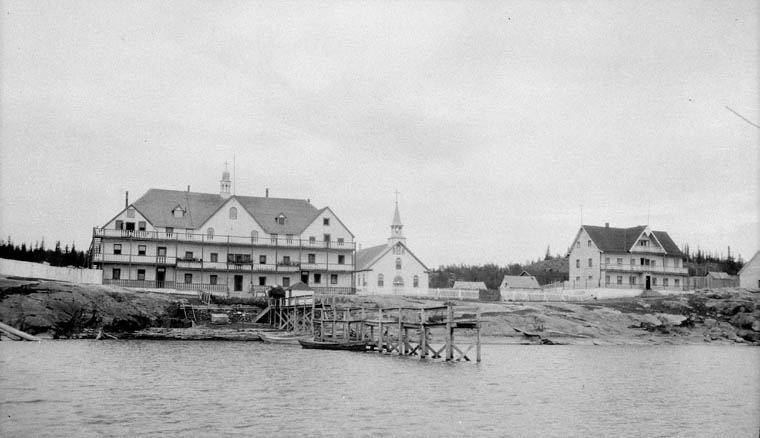
-
Macleans
TWA Flight 800 Disaster
Two thunderclaps on an otherwise still night, plummeting balls of flame in the sky, and seconds later, a return to a now-eerie silence.This article was originally published in Maclean's Magazine on July 29, 1996
"https://thecanadianencyclopedia.ca/images/tce_placeholder.jpg?v=e9dca980c9bdb3aa11e832e7ea94f5d9" // resources/views/front/categories/view.blade.php
https://thecanadianencyclopedia.ca/images/tce_placeholder.jpg?v=e9dca980c9bdb3aa11e832e7ea94f5d9
-
Article
United Empire Loyalists' Association of Canada
The United Empire Loyalists' Association of Canada (UELAC) is a national organization that brings together descendants of United Empire Loyalists and promotes their memory and history through conferences, research, the maintenance of plaques and monuments and other such works. Membership is also open to those without Loyalist heritage. There are 28 branches in Canada, located in all provinces except Newfoundland and Labrador.
"https://d3d0lqu00lnqvz.cloudfront.net/media/media/3ef68354-0a3f-45a9-a803-aed291344b49.jpg" // resources/views/front/categories/view.blade.php
https://d3d0lqu00lnqvz.cloudfront.net/media/media/3ef68354-0a3f-45a9-a803-aed291344b49.jpg
-
Macleans
Unsafe at any speed?
As Lac-Mégantic searches for a way forward, more troubling questions emerge about moving oil by railThis article was originally published in Maclean's Magazine on July 29, 2013
"https://thecanadianencyclopedia.ca/images/tce_placeholder.jpg?v=e9dca980c9bdb3aa11e832e7ea94f5d9" // resources/views/front/categories/view.blade.php
https://thecanadianencyclopedia.ca/images/tce_placeholder.jpg?v=e9dca980c9bdb3aa11e832e7ea94f5d9
-
Editorial
Unsinkable Obsession: the RMS Titanic
The following article is an editorial written by The Canadian Encyclopedia staff. Editorials are not usually updated.
"https://d3d0lqu00lnqvz.cloudfront.net/media/media/219dd890-0260-47f9-8ee6-817a0f8fb335.jpg" // resources/views/front/categories/view.blade.php
https://d3d0lqu00lnqvz.cloudfront.net/media/media/219dd890-0260-47f9-8ee6-817a0f8fb335.jpg
-
Article
Upper Canada
Upper Canada was the predecessor of modern-day Ontario. It was created in 1791 by the division of the old Province of Quebec into Lower Canada in the east and Upper Canada in the west. Upper Canada was a wilderness society settled largely by Loyalists and land-hungry farmers moving north from the United States. Upper Canada endured the War of 1812 with America, William Lyon Mackenzie’s Rebellion of 1837, the colonial rule of the Family Compact and half a century of economic and political growing pains. With the Act of Union in 1841, it was renamed Canada West and merged with Lower Canada (Canada East) into the Province of Canada.
"https://d3d0lqu00lnqvz.cloudfront.net/media/media/ab6ffbc8-72e2-4fc1-9007-43a1b2c8948d.jpg" // resources/views/front/categories/view.blade.php
https://d3d0lqu00lnqvz.cloudfront.net/media/media/ab6ffbc8-72e2-4fc1-9007-43a1b2c8948d.jpg
-
Article
Vancouver Feature: Asahis Win Terminal City Championship
The following article is a feature from our Vancouver Feature series. Past features are not updated. During the 1920s Oppenheimer Park, also known as the Powell Street Grounds, was home to the best baseball team in the city. The Asahi drew its members from the surrounding Japanese-Canadian community. It all ended with the outbreak of World War Two.
"https://d3d0lqu00lnqvz.cloudfront.net/media/media/7bd7e2c8-07d9-4cf2-931c-5dd2665c08e1.jpg" // resources/views/front/categories/view.blade.php
https://d3d0lqu00lnqvz.cloudfront.net/media/media/7bd7e2c8-07d9-4cf2-931c-5dd2665c08e1.jpg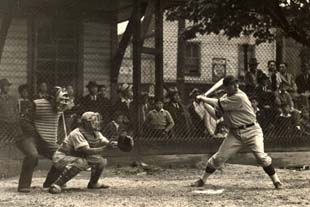
-
Editorial
Vancouver Feature: Canada’s First Gas Station Opens for Business
The following article is a feature from our Vancouver Feature series. Past features are not updated. The first gasoline-powered automobile had arrived in Vancouver in 1904, and there were not many more by 1907. But that year someone in the local Imperial Oil office determined that filling cars with a bucket and funnel was not very safe. So the first Canadian filling station — a hot-water tank and a garden hose — was set up at the company’s storage yard at Cambie and Smithe.
"https://thecanadianencyclopedia.ca/images/tce_placeholder.jpg?v=e9dca980c9bdb3aa11e832e7ea94f5d9" // resources/views/front/categories/view.blade.php
https://thecanadianencyclopedia.ca/images/tce_placeholder.jpg?v=e9dca980c9bdb3aa11e832e7ea94f5d9