
Browse "History"
-
Article
Double Shuffle
After the George-Étienne Cartier-John A. MacDonald ministry in the Province of Canada was forced to resign on 29 July 1858, a Reform ministry was formed under George Brown and A.A. Dorion.
"https://thecanadianencyclopedia.ca/images/tce_placeholder.jpg?v=e9dca980c9bdb3aa11e832e7ea94f5d9" // resources/views/front/categories/view.blade.php
https://thecanadianencyclopedia.ca/images/tce_placeholder.jpg?v=e9dca980c9bdb3aa11e832e7ea94f5d9
-
Article
Droulers-Tsiionhiakwatha Archaeological Site
The Droulers-Tsiionhiakwatha archaeological site is located in extreme southwest Québec, in Saint-Anicet in the Haut-Saint-Laurent area.
"https://d3d0lqu00lnqvz.cloudfront.net/media/media/9a4f5824-4fef-4ee0-8b04-92257d768832.jpg" // resources/views/front/categories/view.blade.php
https://d3d0lqu00lnqvz.cloudfront.net/media/media/9a4f5824-4fef-4ee0-8b04-92257d768832.jpg
-
Macleans
Dunblane Massacre
Dumpy, balding and bespectacled, he did not look like a demonic angel of death.This article was originally published in Maclean's Magazine on March 25, 1996
"https://thecanadianencyclopedia.ca/images/tce_placeholder.jpg?v=e9dca980c9bdb3aa11e832e7ea94f5d9" // resources/views/front/categories/view.blade.php
https://thecanadianencyclopedia.ca/images/tce_placeholder.jpg?v=e9dca980c9bdb3aa11e832e7ea94f5d9
-
Article
Durham Report
In 1838, the British politician Lord Durham was sent to British North America to investigate the causes of the rebellions of 1837–38 in the colonies of Upper and Lower Canada. Durham's famous Report on the Affairs of British North America (1839) led to a series of reforms and changes. These included uniting the two Canadas into a single colony, the Province of Canada, in 1841. (See also: Act of Union.) The report also paved the way for responsible government. This was a critical step in the development of Canadian democracy. The report played an important role in the evolution of Canada’s political independence from Britain.
"https://d3d0lqu00lnqvz.cloudfront.net/media/media/65ee2cc4-fcf5-4663-b8d2-f9ce30422a92.jpg" // resources/views/front/categories/view.blade.php
https://d3d0lqu00lnqvz.cloudfront.net/media/media/65ee2cc4-fcf5-4663-b8d2-f9ce30422a92.jpg
-
Article
Durham Report (Plain-Language Summary)
In late 1837, violent rebellions took place in Upper and Lower Canada. (See Rebellions of 1837–38 [Plain-Language Summary].) In May 1838, Lord Durham was sent from Britain to find out what had caused the unrest. His Report on the Affairs of British North America (1839) led to a series of reforms. These included merging the two Canadas into the Province of Canada. This was done through the Act of Union in 1841. The report also paved the way for responsible government. This was a vital step in Canada’s path toward democracy and independence from Britain. This article is a plain-language summary of the Durham Report. If you would like to read about this topic in more depth, please see our full-length entry: Durham Report.
"https://d3d0lqu00lnqvz.cloudfront.net/media/media/65ee2cc4-fcf5-4663-b8d2-f9ce30422a92.jpg" // resources/views/front/categories/view.blade.php
https://d3d0lqu00lnqvz.cloudfront.net/media/media/65ee2cc4-fcf5-4663-b8d2-f9ce30422a92.jpg
-
Article
Economic History of Canada
The economic history of what is now Canada begins with the hunting, farming and trading societies of the Indigenous peoples. Following the arrival of Europeans in the 16th century, the economy has undergone a series of seismic shifts, marked by the early Atlantic fishery, the transcontinental fur trade, then rapid urbanization, industrialization and technological change. Although different industries have come and gone, Canada’s reliance on natural resources — from fur to timber to minerals to oil, and on export markets for these commodities, particularly the United States — has underpinned much of the economy through the centuries and does so still in many regions today.
"https://d3d0lqu00lnqvz.cloudfront.net/media/media/30416a6f-5846-430d-9621-dbd0ce22e17e.jpg" // resources/views/front/categories/view.blade.php
https://d3d0lqu00lnqvz.cloudfront.net/media/media/30416a6f-5846-430d-9621-dbd0ce22e17e.jpg
-
Article
Economic History of Atlantic Canada
Nova Scotia, Prince Edward Island, New Brunswick and Newfoundland constitute the Atlantic provinces of Canada, a region that in 2016 accounted for 6 per cent of Canada’s gross domestic product (GDP). The economic history of what is now Atlantic Canada begins with the hunting, farming and trading societies of the Indigenous peoples. Following the arrival of Europeans in the 16th century, the economy has undergone a series of seismic shifts, marked by the early Atlantic fishery, the transcontinental fur trade, then rapid urbanization, industrialization and technological change.
"https://d3d0lqu00lnqvz.cloudfront.net/media/media/1c5bff08-0848-45ad-a132-880e22ac3515.jpg" // resources/views/front/categories/view.blade.php
https://d3d0lqu00lnqvz.cloudfront.net/media/media/1c5bff08-0848-45ad-a132-880e22ac3515.jpg
-
Article
Economic History of Central Canada
Ontario and Quebec constitute Central Canada, a region that accounts for over 58 per cent of Canada’s gross domestic product (GDP). The economic history of the region begins with the hunting, farming and trading societies of the Indigenous peoples. Following the arrival of Europeans in the 16th century, the economy has undergone a series of seismic shifts, marked by the transcontinental fur trade, then rapid urbanization, industrialization and technological change.
"https://d3d0lqu00lnqvz.cloudfront.net/media/media/2a01defb-42f2-4ad3-b7f1-cf7966378002.jpg" // resources/views/front/categories/view.blade.php
https://d3d0lqu00lnqvz.cloudfront.net/media/media/2a01defb-42f2-4ad3-b7f1-cf7966378002.jpg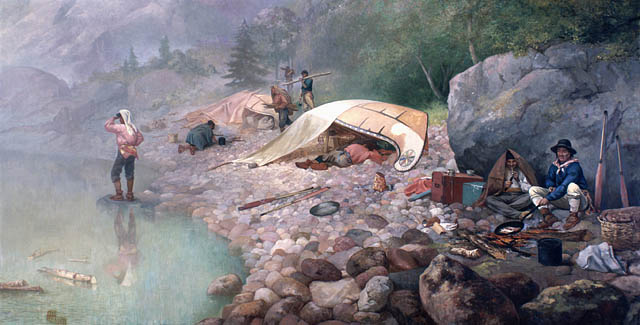
-
Article
Economic History of Western Canada
Manitoba, Saskatchewan, Alberta and British Columbia constitute Western Canada, a region that accounts for 35 per cent of the Canada’s gross domestic product (GDP). The economic history of the region begins with the hunting, farming and trading societies of the Indigenous peoples. Following the arrival of Europeans in the 18th century, the economy has undergone a series of seismic shifts, marked by the transcontinental fur trade, then rapid urbanization, industrialization and technological change.
"https://d3d0lqu00lnqvz.cloudfront.net/media/media/804ad87a-c2a5-4d29-814e-542e786b1778.jpg" // resources/views/front/categories/view.blade.php
https://d3d0lqu00lnqvz.cloudfront.net/media/media/804ad87a-c2a5-4d29-814e-542e786b1778.jpg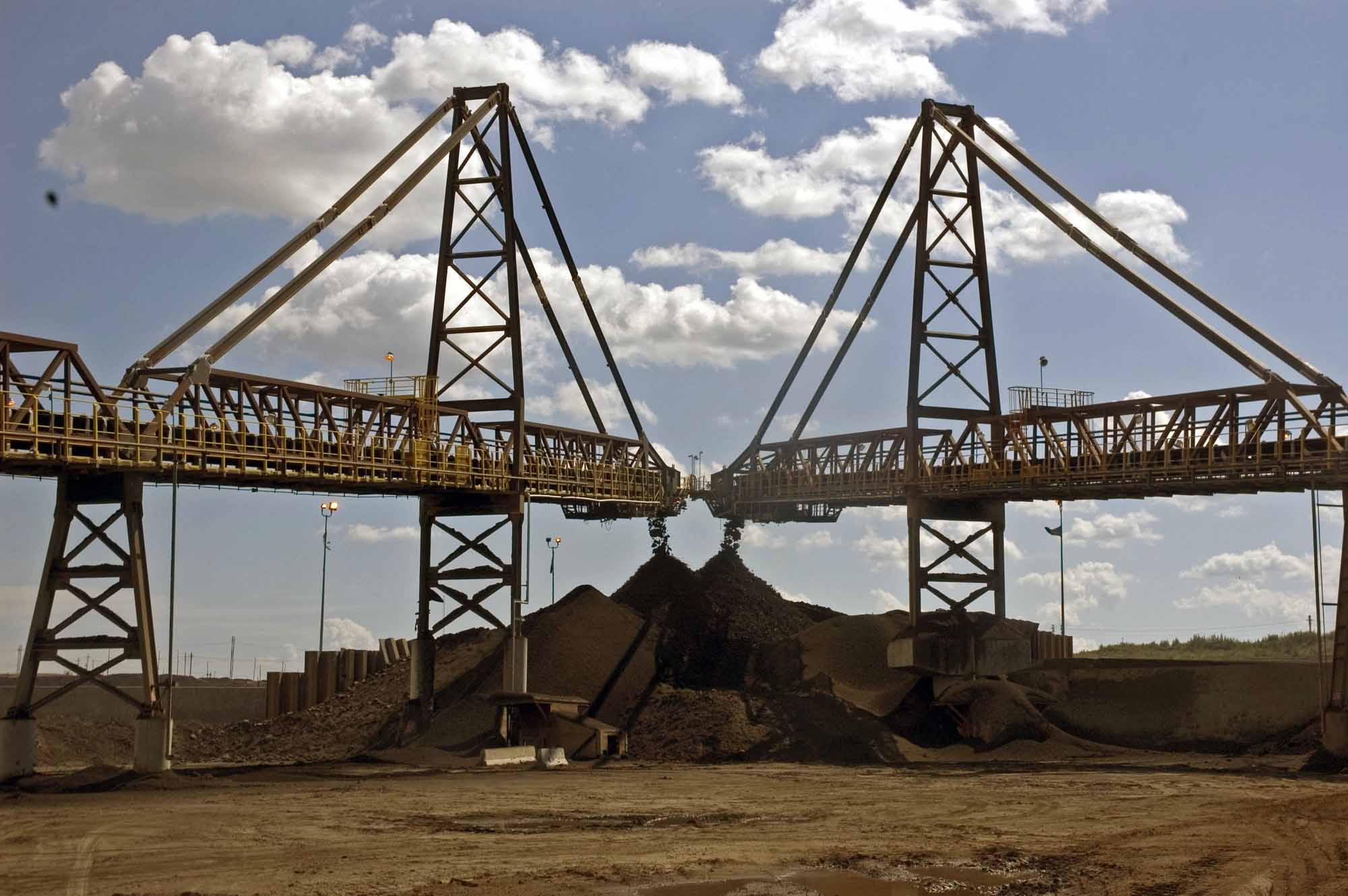
-
Article
Election 1891: A Question of Loyalty
The following article is an editorial written by The Canadian Encyclopedia staff. Editorials are not usually updated.
"https://d3d0lqu00lnqvz.cloudfront.net/media/media/637eb1d3-70a0-4599-a8f5-04361d05bebd.jpg" // resources/views/front/categories/view.blade.php
https://d3d0lqu00lnqvz.cloudfront.net/media/media/637eb1d3-70a0-4599-a8f5-04361d05bebd.jpg
-
Editorial
Election of 1896
The following article is an editorial written by The Canadian Encyclopedia staff. Editorials are not usually updated.
"https://d3d0lqu00lnqvz.cloudfront.net/media/media/e90e0bdd-a0d0-4752-8a94-52946de0b4d9.jpg" // resources/views/front/categories/view.blade.php
https://d3d0lqu00lnqvz.cloudfront.net/media/media/e90e0bdd-a0d0-4752-8a94-52946de0b4d9.jpg
-
Article
Election of 1917
In 1917, Canadians went to the polls on an issue that was literally one of life and death. The federal election of 1917, fought over the issue of conscription during the First World War, deeply divided French and English Canada.
"https://d3d0lqu00lnqvz.cloudfront.net/media/media/6a9bae9d-edd9-4ca5-a3b3-b1572b7d034b.jpg" // resources/views/front/categories/view.blade.php
https://d3d0lqu00lnqvz.cloudfront.net/media/media/6a9bae9d-edd9-4ca5-a3b3-b1572b7d034b.jpg
-
Macleans
Elections '97: The Platforms
Among political strategists, it is sometimes known as "the barbecue factor": the manner in which a once-hot candidate ends up cooked on election day. The principal example, one that many of Prime Minister Jean Chrétien's strategists recall with a shudder, is former Ontario Liberal leader Lyn McLeod.This article was originally published in Maclean's Magazine on May 26, 1997
"https://thecanadianencyclopedia.ca/images/tce_placeholder.jpg?v=e9dca980c9bdb3aa11e832e7ea94f5d9" // resources/views/front/categories/view.blade.php
https://thecanadianencyclopedia.ca/images/tce_placeholder.jpg?v=e9dca980c9bdb3aa11e832e7ea94f5d9
-
Article
Elections of 1925 and 1926
The following article is an editorial written by The Canadian Encyclopedia staff. Editorials are not usually updated.
"https://d3d0lqu00lnqvz.cloudfront.net/media/media/b82af0bf-c28c-4f44-be97-09df6c7f769a.jpg" // resources/views/front/categories/view.blade.php
https://d3d0lqu00lnqvz.cloudfront.net/media/media/b82af0bf-c28c-4f44-be97-09df6c7f769a.jpg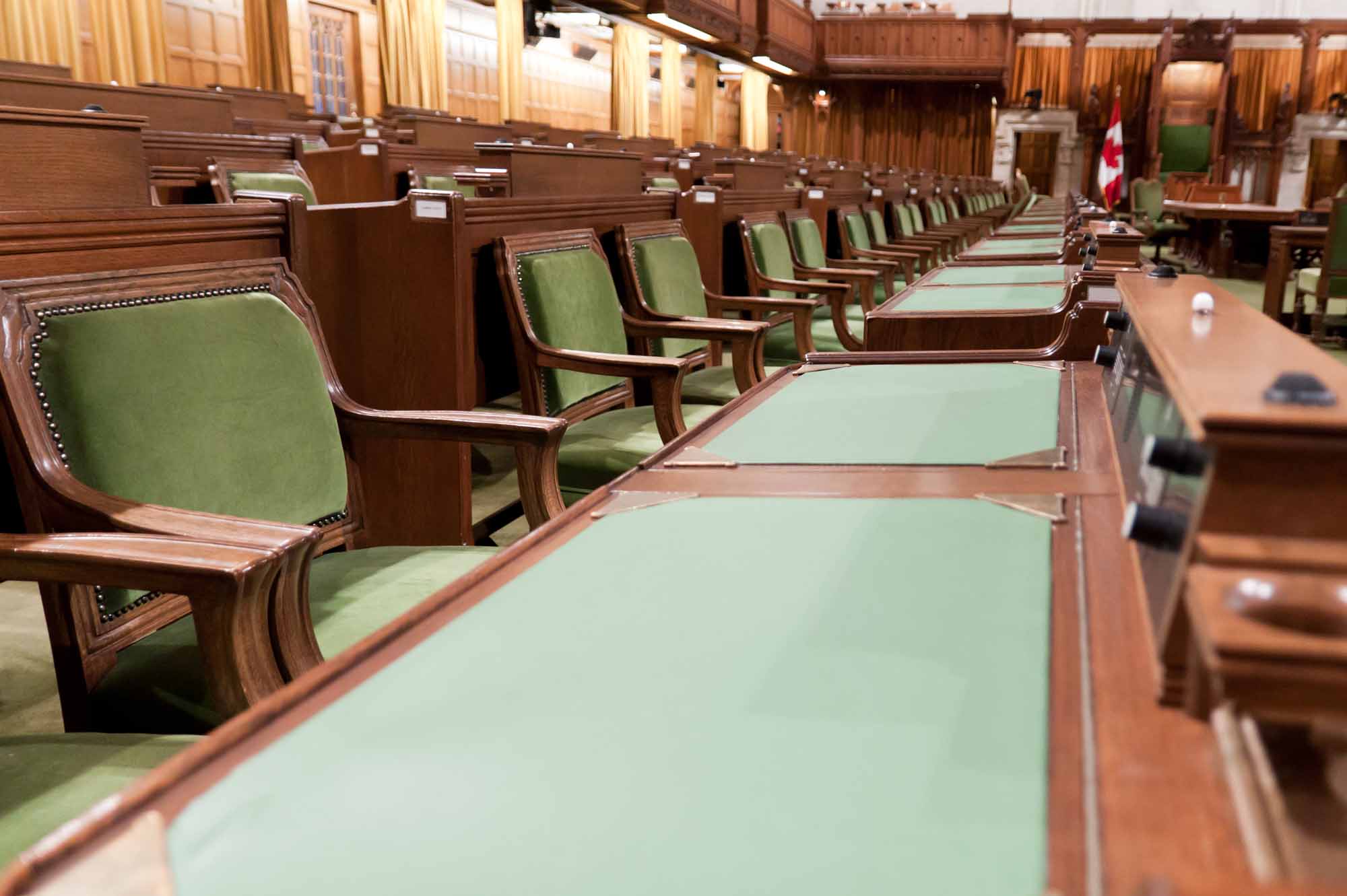
-
Editorial
Elections of 1957 and 1958
The following article is an editorial written by The Canadian Encyclopedia staff. Editorials are not usually updated.
"https://d3d0lqu00lnqvz.cloudfront.net/media/media/d024c85f-684d-4895-bde2-37d4f64620e5.jpg" // resources/views/front/categories/view.blade.php
https://d3d0lqu00lnqvz.cloudfront.net/media/media/d024c85f-684d-4895-bde2-37d4f64620e5.jpg