
Browse "Communities & Sociology"
-
Macleans
Swissair 111 Tragedy
This article was originally published in Maclean’s magazine on September 14, 1998. Partner content is not updated. The 60 residents of Peggy's Cove, N.S., have few lessons to learn when it comes to either nature's beauty - or its sometimes terrible power.
"https://thecanadianencyclopedia.ca/images/tce_placeholder.jpg?v=e9dca980c9bdb3aa11e832e7ea94f5d9" // resources/views/front/categories/view.blade.php
https://thecanadianencyclopedia.ca/images/tce_placeholder.jpg?v=e9dca980c9bdb3aa11e832e7ea94f5d9
-
Article
Swissair Flight 111
Swissair Flight 111 crashed in the sea off Peggy’s Cove, NS on 2 September 1998, while on a scheduled flight from New York to Geneva, Switzerland. All 229 passengers and crew were killed. It was the second-deadliest air accident to occur in Canada. An investigation by Canada’s Transportation Safety Board determined that a fire, sparked by arcing in the MD-11 aircraft’s electrical system, resulted in a catastrophic failure of the plane’s main operating systems.
"https://d3d0lqu00lnqvz.cloudfront.net/media/media/8122a415-1cbe-4b48-bc05-965d8805ee42.jpg" // resources/views/front/categories/view.blade.php
https://d3d0lqu00lnqvz.cloudfront.net/media/media/8122a415-1cbe-4b48-bc05-965d8805ee42.jpg
-
Article
Sylliboy Case
Mi’kmaq Grand Chief Gabriel Sylliboy is believed to be the first to use the 1752 Peace and Friendship Treaty to fight for Canada’s recognition of treaty rights. In his court case, R. v. Sylliboy (1928), he argued that the 1752 treaty protected his rights to hunt and fish, but he lost the case and was subsequently convicted. In 1985, when the Supreme Court of Canada ruled in R. v. Simon — another case concerning Mi’kmaq hunting rights — it found that the 1752 treaty did in fact give Mi’kmaq people the right to hunt on traditional territories. This judgment vindicated both Sylliboy and James Simon of the 1985 case. In 2017, almost 90 years after his conviction, Sylliboy received a posthumous pardon and apology from the Government of Nova Scotia.
"https://d3d0lqu00lnqvz.cloudfront.net/media/media/47dd689f-e49f-4d3f-830c-ad60dbca0a48.jpg" // resources/views/front/categories/view.blade.php
https://d3d0lqu00lnqvz.cloudfront.net/media/media/47dd689f-e49f-4d3f-830c-ad60dbca0a48.jpg
-
Article
Synagogues
According to Jewish law, a synagogue is defined as any place where 10 men can gather for worship and study. Tradition holds that the synagogue was established to provide an alternative for those who were unable to travel to the temple in Jerusalem.
"https://d3d0lqu00lnqvz.cloudfront.net/media/media/3cdd3a26-f43a-47c9-a723-6bb582abdab7.jpg" // resources/views/front/categories/view.blade.php
https://d3d0lqu00lnqvz.cloudfront.net/media/media/3cdd3a26-f43a-47c9-a723-6bb582abdab7.jpg
-
Article
Temperance Movement in Canada
The temperance movement was an international social and political campaign of the 19th and early 20th centuries. It was based on the belief that drinking was responsible for many of society’s ills. It called for moderation or total abstinence from alcohol. This led to the legal prohibition of alcohol in many parts of Canada. The Canada Temperance Act (Scott Act) of 1878 gave local governments the “local option” to ban the sale of alcohol. In 1915 and 1916, all provinces but Quebec prohibited the sale of alcohol as a patriotic measure during the First World War. Most provincial laws were repealed in the 1920s in favour of allowing governments to control alcohol sales. Temperance societies were later criticized for distorting economic activity, and for encouraging drinking and organized crime.
"https://d3d0lqu00lnqvz.cloudfront.net/media/media/c0f20001-e566-4ebf-9c88-f1a5ae278291.jpg" // resources/views/front/categories/view.blade.php
https://d3d0lqu00lnqvz.cloudfront.net/media/media/c0f20001-e566-4ebf-9c88-f1a5ae278291.jpg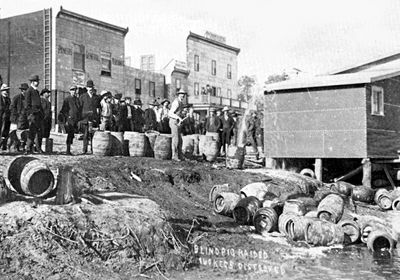
-
Article
Territorial Government in Canada
Under Canada’s federal system, the powers of government are shared between the federal government, provincial governments and territorial governments. The territories — Northwest Territories, Nunavut and Yukon — are governed by their respective governments. They receive their legislative authority (the ability to create laws) from the federal government. Ottawa has given territorial governments authority over public education, health and social services; as well as the administration of justice and municipal government. More and more of these powers have been handed down from the federal government in a process called devolution. Crown-Indigenous Relations and Northern Affairs Canada is the federal ministry responsible for the territories.
"https://d3d0lqu00lnqvz.cloudfront.net/media/media/b9f1e62c-f97e-49dc-ad8f-ef525846081d.jpg" // resources/views/front/categories/view.blade.php
https://d3d0lqu00lnqvz.cloudfront.net/media/media/b9f1e62c-f97e-49dc-ad8f-ef525846081d.jpg
-
Article
Thai Buddhist Temple - Wat Yanviriya
Wat Yanviriya was the first Thai BUDDHIST temple in Canada (wat means temple-monastery). In 1992 Lord Abbot Luang Phor Viriyang Sirintharo established Wat Yanviriya in a converted Christian church in East Vancouver.
"https://thecanadianencyclopedia.ca/images/tce_placeholder.jpg?v=e9dca980c9bdb3aa11e832e7ea94f5d9" // resources/views/front/categories/view.blade.php
https://thecanadianencyclopedia.ca/images/tce_placeholder.jpg?v=e9dca980c9bdb3aa11e832e7ea94f5d9
-
Article
The Apprenticeship of Duddy Kravitz
The Apprenticeship of Duddy Kravitz is Mordecai Richler’s fourth and best-known novel. Published in 1959, it tells the story of a young Jewish man from Montreal who is obsessed with acquiring status, money and land. Bitingly satirical, it is a landmark Canadian novel. It established Richler as an international literary figure and sparked an interest in Canadian literature both at home and abroad. It also drew criticism from those who felt the main character embodied anti-Semitic stereotypes. Richler also received several awards and an Oscar nomination for his screenplay for the 1974 feature film adaptation, co-written with Lionel Chetwynd and directed by Ted Kotcheff.
"https://d3d0lqu00lnqvz.cloudfront.net/media/media/b127f3da-c0b7-45d1-be4a-73e9d2103fd9.jpg" // resources/views/front/categories/view.blade.php
https://d3d0lqu00lnqvz.cloudfront.net/media/media/b127f3da-c0b7-45d1-be4a-73e9d2103fd9.jpg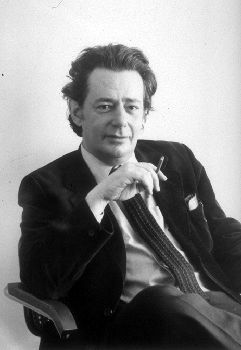
-
Article
The Ashkenaz Festival
The Ashkenaz Foundation is a community-based non-profit organization dedicated to fostering an increased awareness of Yiddish and Jewish culture through the arts. Ashkenaz places equal emphasis on the need for preservation and innovation within this cultural milieu.
"https://d3d0lqu00lnqvz.cloudfront.net/media/media/fbe857f5-6095-4a09-9eab-2d578f7e872e.jpg" // resources/views/front/categories/view.blade.php
https://d3d0lqu00lnqvz.cloudfront.net/media/media/fbe857f5-6095-4a09-9eab-2d578f7e872e.jpg
-
Editorial
The Assassination of Thomas D'Arcy McGee
The following article is an editorial written by The Canadian Encyclopedia staff. Editorials are not usually updated. It is the greatest murder mystery in Canadian political history. Thomas D’Arcy McGee, Father of Confederation and outspoken opponent of the Fenians, was assassinated on an Ottawa street in the early hours of Tuesday, 7 April 1868.
"https://d3d0lqu00lnqvz.cloudfront.net/media/media/4a74eaf5-4691-4b89-9d50-e98da872ed41.jpg" // resources/views/front/categories/view.blade.php
https://d3d0lqu00lnqvz.cloudfront.net/media/media/4a74eaf5-4691-4b89-9d50-e98da872ed41.jpg
-
Editorial
André Laurendeau and the Royal Commission on Bilingualism and Biculturalism
The following article is an editorial written by The Canadian Encyclopedia staff. Editorials are not usually updated.
"https://d3d0lqu00lnqvz.cloudfront.net/media/media/9c18ebf1-d915-4554-8654-fb1cba462a3e.jpg" // resources/views/front/categories/view.blade.php
https://d3d0lqu00lnqvz.cloudfront.net/media/media/9c18ebf1-d915-4554-8654-fb1cba462a3e.jpg
-
Article
The Book of Negroes
The document called the “Book of Negroes” is a British naval ledger that lists the names of Black Loyalists who fled to Canada during the American Revolutionary War (1775–83). It is also the title of Lawrence Hill’s third novel, which was published in 2007. (It was released in the United States, Australia and New Zealand under the title Someone Knows My Name.) A work of historical fiction, The Book of Negroes tells the story of Aminata Diallo, who is captured by slave traders in Africa and brought to America. Aminata’s story illustrates the physical, sexual, emotional, psychological, religious and economic violations of the slave trade. The novel has been translated into more than eight languages and has sold more than 800,000 copies worldwide. It won the Rogers Writers’ Trust Fiction Prize, the Commonwealth Writers’ Prize and the Commonwealth Prize for Best Book. It was also the first book to win both CBC Radio’s Canada Reads and Radio Canada’s Combat des livres.
"https://d3d0lqu00lnqvz.cloudfront.net/media/new_article_images/TheBookOfNegroes/48275821552_2b150a253f_c.jpg" // resources/views/front/categories/view.blade.php
https://d3d0lqu00lnqvz.cloudfront.net/media/new_article_images/TheBookOfNegroes/48275821552_2b150a253f_c.jpg
-
Article
Charlottetown Accord
The Charlottetown Accord of 1992 was a failed attempt by Prime Minister Brian Mulroney and all 10 provincial premiers to amend the Canadian Constitution. The goal was to obtain Quebec’s consent to the Constitution Act, 1982. The Accord would have recognized Quebec as a distinct society; decentralized many federal powers to the provinces; addressed the issue of Indigenous self-government; and reformed the Senate and the House of Commons. The Accord had the approval of the federal government and all 10 provincial governments. But it was rejected by Canadian voters in a referendum on 26 October 1992.
"https://d3d0lqu00lnqvz.cloudfront.net/media/media/8d1b4b1d-ce97-42aa-99a7-f4e33c1f6b7a.jpg" // resources/views/front/categories/view.blade.php
https://d3d0lqu00lnqvz.cloudfront.net/media/media/8d1b4b1d-ce97-42aa-99a7-f4e33c1f6b7a.jpg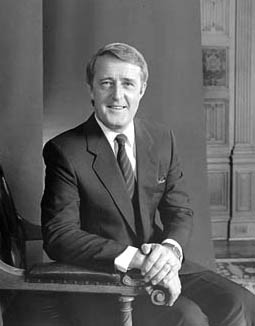
-
Article
Quebec Film History: 1896 to 1969
This entry presents an overview of Quebec cinema, from its beginnings in the silent film era to the burgeoning of a distinctly Quebec cinema in the 1960s. It highlights the most important films, whether in terms of box office success or international acclaim, and covers both narrative features and documentaries. It also draws attention to an aspect of filmmaking that still has difficulty finding its place: women’s cinema.
"https://d3d0lqu00lnqvz.cloudfront.net/media/media/3b079b6b-0ea3-47b4-8e14-62d48630fb39.jpg" // resources/views/front/categories/view.blade.php
https://d3d0lqu00lnqvz.cloudfront.net/media/media/3b079b6b-0ea3-47b4-8e14-62d48630fb39.jpg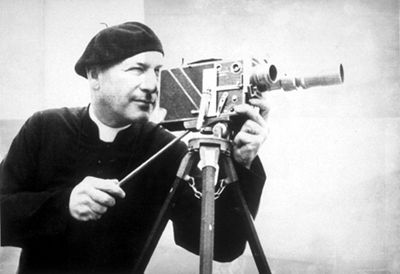
-
Editorial
The arrival of Doukhobors in Canada (1899)
The following article is an editorial written by The Canadian Encyclopedia staff. Editorials are not usually updated.
"https://thecanadianencyclopedia.ca/images/tce_placeholder.jpg?v=e9dca980c9bdb3aa11e832e7ea94f5d9" // resources/views/front/categories/view.blade.php
https://thecanadianencyclopedia.ca/images/tce_placeholder.jpg?v=e9dca980c9bdb3aa11e832e7ea94f5d9