
Browse "Cities & Populated Places"
-
Article
Montmagny
Jacques CARTIER passed Montmagny and its many offshore islands in 1535 and noted its beautiful surroundings. In 1646 a seigneury containing the area was granted to Huault, although permanent European habitation did not begin until the 1670s.
"https://d3d0lqu00lnqvz.cloudfront.net/media/media/6611985e-9eb7-4000-aa69-69a6aff45685.jpg" // resources/views/front/categories/view.blade.php
https://d3d0lqu00lnqvz.cloudfront.net/media/media/6611985e-9eb7-4000-aa69-69a6aff45685.jpg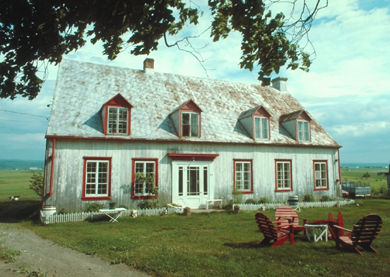
-
Article
Montreal
Montreal, Quebec, incorporated as a city in 1832, population 1,762,949 (2021 census), 1,704,694 (2016 census). Montreal is Canada’s second largest city and is home to nearly a quarter of the province of Quebec’s population. It is the metropolis of the province and was the most populous city in Canada for a century and a half. It is located in southwestern Quebec on Île de Montreal at the confluence of the St. Lawrence and Ottawa rivers. Montreal is a major industrial centre, commercial and financial metropolis, railway and maritime bridgehead, and one of the centres of francophone culture in North America. It is one of the world's great cities and enjoys international acclaim.
"https://d3d0lqu00lnqvz.cloudfront.net/media/media/Downtown_MTL.jpg" // resources/views/front/categories/view.blade.php
https://d3d0lqu00lnqvz.cloudfront.net/media/media/Downtown_MTL.jpg
-
Collection
Montréal: 375 Years of History and Heritage
On 17 May 1642, a group of French settlers led by Paul de Chomedey de Maisonneuve and Jeanne Mance established the missionary colony of Ville-Marie on the Island of Montréal. Today, this modest settlement founded in the middle of the St. Lawrence River is Canada’s second largest city and home to nearly half of the province of Québec’s population. A centre of francophone culture in North America, Montréal also enjoys international renown. Through exhibits, images...
"https://d3d0lqu00lnqvz.cloudfront.net/media/media/6c00f298-5e17-4d87-8e49-c455a420812a.jpg" // resources/views/front/categories/view.blade.php
https://d3d0lqu00lnqvz.cloudfront.net/media/media/6c00f298-5e17-4d87-8e49-c455a420812a.jpg
-
Article
Montréal-Est
Montréal-Est owes its existence to Joseph Versailles, an important Montréal broker. In 1909 he bought 6 km2 of land in order to create a quiet and peaceful residential community. Heavy industry developed around the port and the community evolved away from Versailles's original vision.
"https://thecanadianencyclopedia.ca/images/tce_placeholder.jpg?v=e9dca980c9bdb3aa11e832e7ea94f5d9" // resources/views/front/categories/view.blade.php
https://thecanadianencyclopedia.ca/images/tce_placeholder.jpg?v=e9dca980c9bdb3aa11e832e7ea94f5d9
-
Article
Montréal-Nord
Montréal-Nord was created when it was detached from the parish municipality of Sault-aux-Récollets (1855). The area originally covered by Sault-aux-Récollets also included the Montréal districts of Ahuntsic and Saint-Michel, as well as the cities of Saint-Léonard and Anjou.
"https://thecanadianencyclopedia.ca/images/tce_placeholder.jpg?v=e9dca980c9bdb3aa11e832e7ea94f5d9" // resources/views/front/categories/view.blade.php
https://thecanadianencyclopedia.ca/images/tce_placeholder.jpg?v=e9dca980c9bdb3aa11e832e7ea94f5d9
-
Article
Montrose
Montrose, BC, incorporated as a village in 1956, population 1030 (2011c), 1012 (2006c). The Village of Montrose is located in the West Kootenay district of southeastern British Columbia.
"https://thecanadianencyclopedia.ca/images/tce_placeholder.jpg?v=e9dca980c9bdb3aa11e832e7ea94f5d9" // resources/views/front/categories/view.blade.php
https://thecanadianencyclopedia.ca/images/tce_placeholder.jpg?v=e9dca980c9bdb3aa11e832e7ea94f5d9
-
Article
Moose Jaw
Moose Jaw, Saskatchewan, incorporated as a city in 1903, population 33,665 (2021 census), 33,910 (2016 census). The city of Moose Jaw is located 160 km north of the US border and 65 km west of Regina in a sheltered valley at the confluence of the Moose Jaw River and Thunder Creek. It is governed by a mayor and six councillors who are elected to represent the city as a whole. The city’s evocative name is likely based on Indigenous sources and was perhaps first applied to a local creek that supposedly resembled the outline of a moose’s jawbone; another explanation is that it comes from a Cree word for “warm breezes.”
"https://d3d0lqu00lnqvz.cloudfront.net/media/media/d752c9ca-404c-4d3f-906e-cb19fd13e9e6.jpg" // resources/views/front/categories/view.blade.php
https://d3d0lqu00lnqvz.cloudfront.net/media/media/d752c9ca-404c-4d3f-906e-cb19fd13e9e6.jpg
-
Article
Moosomin
Moosomin, Saskatchewan, incorporated as a town in 1887, population 2,743 (2016 census), 2,485 (2011 census). The town of Moosomin is located in southeastern Saskatchewan 15 km west of the Manitoba border.
"https://thecanadianencyclopedia.ca/images/tce_placeholder.jpg?v=e9dca980c9bdb3aa11e832e7ea94f5d9" // resources/views/front/categories/view.blade.php
https://thecanadianencyclopedia.ca/images/tce_placeholder.jpg?v=e9dca980c9bdb3aa11e832e7ea94f5d9
-
Article
Moosonee
Moosonee, Ontario, incorporated as a town in 2001, population 1,512 (2021 census), 1,481 (2016 census). The Town of Moosonee is located on the Moose River, 25 km from James Bay.
"https://thecanadianencyclopedia.ca/images/tce_placeholder.jpg?v=e9dca980c9bdb3aa11e832e7ea94f5d9" // resources/views/front/categories/view.blade.php
https://thecanadianencyclopedia.ca/images/tce_placeholder.jpg?v=e9dca980c9bdb3aa11e832e7ea94f5d9
-
Article
Morden
Morden, Manitoba, incorporated as a city in 2012, population 9,929 (2021 census), 8,668 (2016 census). The Town of Morden is located 104 km southwest of Winnipeg and 20 km north of the international boundary with the U.S. Morden is situated in Treaties No. 1 Territory and on the traditional lands of the Anishinaabe, Cree, Oji-Cree, and Dakota Nations. The Métis Nation, notably the Red River Métis, have a historical and ongoing presence on this land.
"https://thecanadianencyclopedia.ca/images/tce_placeholder.jpg?v=e9dca980c9bdb3aa11e832e7ea94f5d9" // resources/views/front/categories/view.blade.php
https://thecanadianencyclopedia.ca/images/tce_placeholder.jpg?v=e9dca980c9bdb3aa11e832e7ea94f5d9
-
Article
Morinville
Morinville, Alta, incorporated as a village in 1901 and as a town in 1911, population 8569 (2011c), 6775 (2006c). The Town of Morinville is located on the Canadian National Railway main line, 41 km northwest of Edmonton.
"https://thecanadianencyclopedia.ca/images/tce_placeholder.jpg?v=e9dca980c9bdb3aa11e832e7ea94f5d9" // resources/views/front/categories/view.blade.php
https://thecanadianencyclopedia.ca/images/tce_placeholder.jpg?v=e9dca980c9bdb3aa11e832e7ea94f5d9
-
Article
Morris
Morris, Manitoba, incorporated as a town in 1883, population 1797 (2011c), 1643 (2006c). The Town of Morris is located at the confluence of the Red and Morris rivers, 55 km south of Winnipeg.
"https://thecanadianencyclopedia.ca/images/tce_placeholder.jpg?v=e9dca980c9bdb3aa11e832e7ea94f5d9" // resources/views/front/categories/view.blade.php
https://thecanadianencyclopedia.ca/images/tce_placeholder.jpg?v=e9dca980c9bdb3aa11e832e7ea94f5d9
-
Article
Mount Pearl
Mount Pearl, NL, incorporated as a city in 1988, population 24 284 (2011c), 24 671 (2006c). The City of Mount Pearl, the province's second-largest city, is situated just southwest of St John's.
"https://thecanadianencyclopedia.ca/images/tce_placeholder.jpg?v=e9dca980c9bdb3aa11e832e7ea94f5d9" // resources/views/front/categories/view.blade.php
https://thecanadianencyclopedia.ca/images/tce_placeholder.jpg?v=e9dca980c9bdb3aa11e832e7ea94f5d9
-
Article
Musgrave Harbour
Musgrave Harbour, NL, incorporated as a town in 1954, population 1053 (2011c), 1085 (2006c). First incorporated as the Rural District Council of Musgrave Harbour and Doting Cove, the Town of Musgrave Harbour is located on the northeastern coast of Newfoundland at the mouth of Hamilton Sound, 100 km east of Gander.
"https://d3d0lqu00lnqvz.cloudfront.net/media/media/920c28cf-0b78-4316-a08e-1a18644cc47e.jpg" // resources/views/front/categories/view.blade.php
https://d3d0lqu00lnqvz.cloudfront.net/media/media/920c28cf-0b78-4316-a08e-1a18644cc47e.jpg
-
Article
Muskoka
District Municipality of Muskoka, Ontario, incorporated in 1971, permanent population 66,674 (2021 census), 60,614 (2016 census); estimated seasonal population 85,163 (2016). Muskoka is an iconic area of Ontario’s cottage country located approximately 200 km north of Toronto. A destination for seasonal residents and tourists who have been drawn by its natural beauty since the late 1800s, the district has equally been home to generations of permanent residents.
"https://d3d0lqu00lnqvz.cloudfront.net/media/media/b38374d2-1aa9-48ab-a86b-276b8da208de.jpg" // resources/views/front/categories/view.blade.php
https://d3d0lqu00lnqvz.cloudfront.net/media/media/b38374d2-1aa9-48ab-a86b-276b8da208de.jpg