
Browse "People"
-
Article
Mercy Anne Coles
Mercy Anne Coles, diarist (born 1 February 1838 in Charlottetown, PE; died 11 February 1921 in Charlottetown, PE).
"https://d3d0lqu00lnqvz.cloudfront.net/media/media/a66345f4-beaa-49fd-86c5-eb43109a623c.jpg" // resources/views/front/categories/view.blade.php
https://d3d0lqu00lnqvz.cloudfront.net/media/media/a66345f4-beaa-49fd-86c5-eb43109a623c.jpg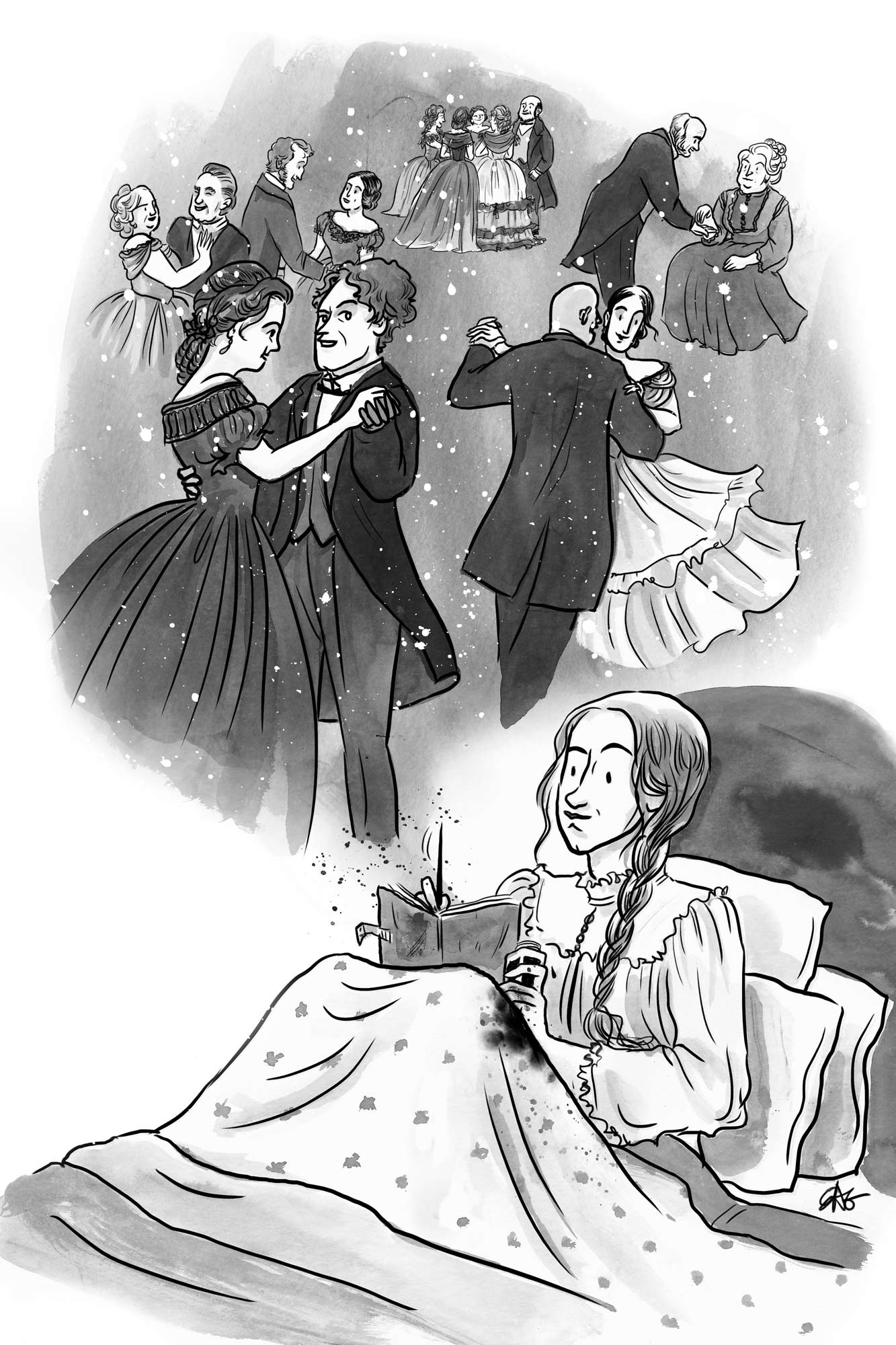
-
Article
Merrill Denison
Merrill Denison, playwright, journalist, writer, historian (b at Detroit, Mich 23 June 1893; d at San Diego, Calif 13 June 1975). English Canada's first important 20th-century playwright, he emerged from the Canadian Little Theatre movement in the 1920s.
"https://thecanadianencyclopedia.ca/images/tce_placeholder.jpg?v=e9dca980c9bdb3aa11e832e7ea94f5d9" // resources/views/front/categories/view.blade.php
https://thecanadianencyclopedia.ca/images/tce_placeholder.jpg?v=e9dca980c9bdb3aa11e832e7ea94f5d9
-
Article
Meryn Cadell
Meryn Cadell, singer, songwriter, teacher (born in Brooklyn, NY). A singer-songwriter best known for the quirky spoken-word song “The Sweater,” which became a sleeper hit in 1992.
"https://thecanadianencyclopedia.ca/images/tce_placeholder.jpg?v=e9dca980c9bdb3aa11e832e7ea94f5d9" // resources/views/front/categories/view.blade.php
https://thecanadianencyclopedia.ca/images/tce_placeholder.jpg?v=e9dca980c9bdb3aa11e832e7ea94f5d9
-
Article
Messenjah
Messenjah, is a reggae group that was formed in 1981 in Kitchener, ON, by Errol Blackwood (vocals, bass guitar) and Rupert 'Ojiji' Harvey (vocals, guitar, alto saxophone), the latter previously with the Toronto reggae bands Crack of Dawn and Inner Fire.
"https://thecanadianencyclopedia.ca/images/tce_placeholder.jpg?v=e9dca980c9bdb3aa11e832e7ea94f5d9" // resources/views/front/categories/view.blade.php
https://thecanadianencyclopedia.ca/images/tce_placeholder.jpg?v=e9dca980c9bdb3aa11e832e7ea94f5d9
-
Article
Métis
Métis are people of mixed European and Indigenous ancestry, and one of the three recognized Aboriginal peoples in Canada. The use of the term Métis is complex and contentious, and has different historical and contemporary meanings. The term is used to describe communities of mixed European and Indigenous descent across Canada, and a specific community of people — defined as the Métis Nation — which originated largely in Western Canada and emerged as a political force in the 19th century, radiating outwards from the Red River Settlement (see Métis Are a People, Not a Historical Process and The “Other” Métis). While the Canadian government politically marginalized the Métis after 1885, they have since been recognized as an Aboriginal people with rights enshrined in the Constitution of Canada and more clearly defined in a series of Supreme Court of Canada decisions.This article is a full-length entry about the Métis. For a plain-language summary, please see Métis (Plain-Language Summary).
"https://d3d0lqu00lnqvz.cloudfront.net/media/media/254ae37e-4c7d-44d9-8b00-073d5d80a1b2.jpg" // resources/views/front/categories/view.blade.php
https://d3d0lqu00lnqvz.cloudfront.net/media/media/254ae37e-4c7d-44d9-8b00-073d5d80a1b2.jpg
-
Collection
Métis
This collection features content related to Métis communities in Canada. Through the use of videos, articles and more, it explores issues concerning Métis history, identity and culture.
"https://d3d0lqu00lnqvz.cloudfront.net/media/media/8422126e-7f18-4afa-bcb5-87c5f1e6825a.jpg" // resources/views/front/categories/view.blade.php
https://d3d0lqu00lnqvz.cloudfront.net/media/media/8422126e-7f18-4afa-bcb5-87c5f1e6825a.jpg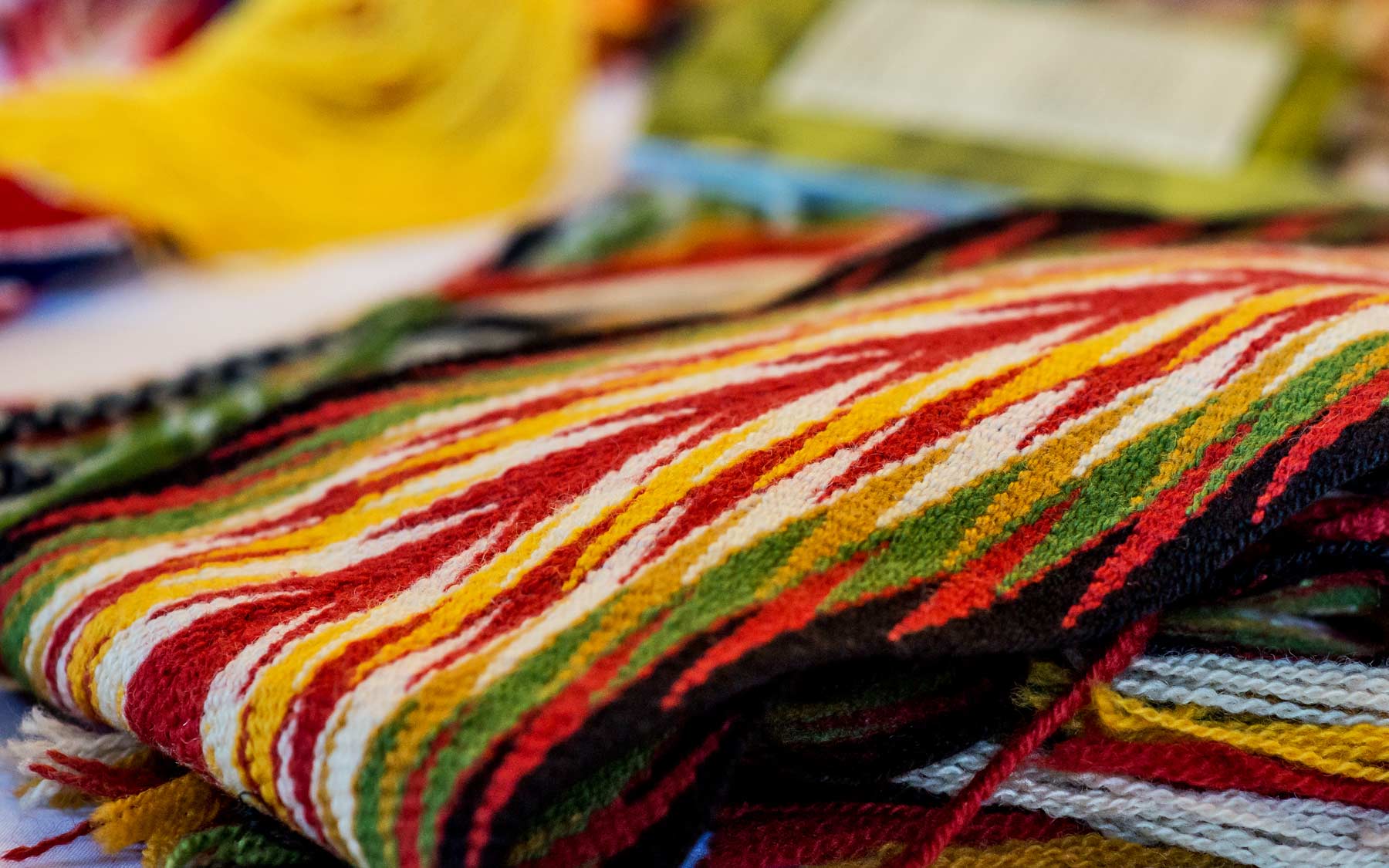
-
Editorial
Métis Are a People, Not a Historical Process
In the interest of promoting a better understanding of the complex issue of Métis identity and how it is defined, The Canadian Encyclopedia has commissioned two opinion pieces exploring different perspectives on the topic. This article explores Métis identity from the perspective of Métis with ancestral ties to the Red River Settlement. For another perspective on Métis identity, see The "Other" Métis.
"https://d3d0lqu00lnqvz.cloudfront.net/media/media/cbb299c8-c0b7-460c-add9-2e245342dc9b.jpg" // resources/views/front/categories/view.blade.php
https://d3d0lqu00lnqvz.cloudfront.net/media/media/cbb299c8-c0b7-460c-add9-2e245342dc9b.jpg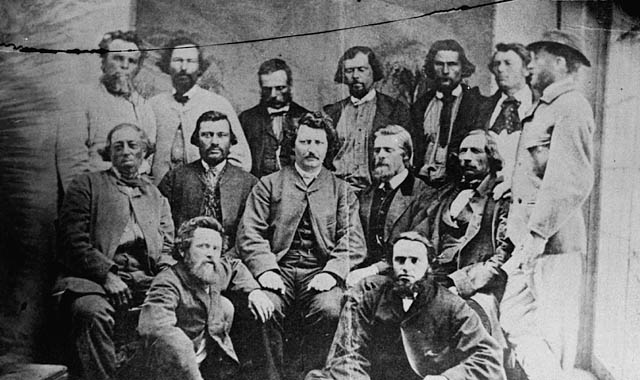
-
Article
Métis Experiences at Residential School
Although the first residential schools in Canada were established with the intention of assimilating First Nations children into Euro-Canadian culture, Métis and Inuit children were also institutionalized in such facilities. Métis children experienced similar day-to-day conditions to those of other students in residential schools, but they were often considered “outsiders” by their peers and administrators. This perception affected their experiences within these institutions in particular ways.
"https://d3d0lqu00lnqvz.cloudfront.net/MetisExperiences/Webp.net-resizeimage.jpg" // resources/views/front/categories/view.blade.php
https://d3d0lqu00lnqvz.cloudfront.net/MetisExperiences/Webp.net-resizeimage.jpg
-
Article
Métis National Council
The Métis National Council is a national Métis organization that includes representation from provincial organizations in Alberta and Ontario. It emerged during the intense constitutional debate over Aboriginal rights in the early 1980s. The Métis National Council continues to champion a culturally and politically distinct Métis Nation with roots in Western Canada, and with outstanding claims to self-government, land and other Aboriginal rights (see also Rights of Indigenous Peoples in Canada).
"https://d3d0lqu00lnqvz.cloudfront.net/media/media/4de10db1-6b8b-45ef-a60a-55998c7afca0.jpg" // resources/views/front/categories/view.blade.php
https://d3d0lqu00lnqvz.cloudfront.net/media/media/4de10db1-6b8b-45ef-a60a-55998c7afca0.jpg
-
Article
Métis Road Allowance Communities
Road allowance communities were home to Métis families throughout the late 1800s until the mid- to late 1900s. Métis peoples used the road allowances as new home communities after experiencing relocations, migrations and dispossession from their homelands. After resistance and violence in a period during and after the Riel Resistance of 1869–1870 and the North–West Resistance in 1885, Métis were marginalized and labelled as rebellious or troublesome by the government of Canada and the provinces.
"https://d3d0lqu00lnqvz.cloudfront.net/media/media/RoosterTownFamily.jpg" // resources/views/front/categories/view.blade.php
https://d3d0lqu00lnqvz.cloudfront.net/media/media/RoosterTownFamily.jpg
-
Article
Métis Scrip in Canada
Scrip is any document used in place of legal tender, for example a certificate or voucher, where the bearer is entitled to certain rights. In 1870, the Canadian government devised a system of scrip — referred to as Métis scrip — that issued documents redeemable for land or money. Scrip was given to Métis people living in the West in exchange for their land rights. The scrip process was legally complex and disorganized; this made it difficult for Métis people to acquire land, yet simultaneously created room for fraud. In March 2013, the Supreme Court of Canada ruled that the federal government failed to provide the Métis with the land grant they were promised in the Manitoba Act of 1870. Negotiations between various levels of government and the Métis Nation concerning the reclamation of land rights continue.
"https://d3d0lqu00lnqvz.cloudfront.net/media/media/00019b96-4c2b-4fb8-9d1b-58ccf46ec3ae.jpg" // resources/views/front/categories/view.blade.php
https://d3d0lqu00lnqvz.cloudfront.net/media/media/00019b96-4c2b-4fb8-9d1b-58ccf46ec3ae.jpg
-
Article
History of Métis Settlements in Canada
Métis communities are found in many provinces and territories in Canada; however, the only legislated Métis land base is in Alberta. Eight Métis settlements are located across the northern and central-eastern part of the province: Paddle Prairie, Peavine, Gift Lake, East Prairie, Buffalo Lake, Kikino, Elizabeth and Fishing Lake. As of 2021, the settlements cover 1.25 million acres of land and are home to approximately 4,238 people. That year, 3,540 people reported that they were registered members of Métis Settlements in Alberta. The Métis Settlements are self-governing and provide for the protection of Métis culture and identity.
"https://d3d0lqu00lnqvz.cloudfront.net/MetisSettlementsFlag/Metis_Settlements_Flag.gif" // resources/views/front/categories/view.blade.php
https://d3d0lqu00lnqvz.cloudfront.net/MetisSettlementsFlag/Metis_Settlements_Flag.gif
-
Article
Metric
Award-winning indie rock band Metric has gained national and international attention for their socially and politically conscious lyrics and upbeat electro-pop, which incorporates elements of rock, new wave, electronica and grunge. Comprised of Emily Haines (vocals, keyboard), James Shaw (guitar), Josh Winstead (bass) and Joules Scott-Key (drums), the band has received three Juno Awards — for Alternative Album of the Year in 2010 and 2013, and Group of the Year in 2010 — multiple CASBY Awards and three nominations for the Polaris Music Prize.
"https://d3d0lqu00lnqvz.cloudfront.net/media/media/61be10b4-129d-4a5d-a61e-7aa027926b6e.jpg" // resources/views/front/categories/view.blade.php
https://d3d0lqu00lnqvz.cloudfront.net/media/media/61be10b4-129d-4a5d-a61e-7aa027926b6e.jpg
-
Article
M.G. (Moyez G.) Vassanji
THE BOOK OF SECRETS (1993) established Vassanji as an important voice in Canadian literature. Awarded the inaugural SCOTIABANK GILLER prize for fiction, it won both critical and popular acclaim. The Book of Secrets is representative of Vassanji's gift for storytelling.
"https://d3d0lqu00lnqvz.cloudfront.net/media/media/206a6f49-b646-4709-94d4-37890795cf35.jpg" // resources/views/front/categories/view.blade.php
https://d3d0lqu00lnqvz.cloudfront.net/media/media/206a6f49-b646-4709-94d4-37890795cf35.jpg
-
Macleans
M.G. Vassanji on Mordecai Richler (Book Review)
M.G. Vassanji, one of Canada's pre-eminent novelists, experienced his first moment of kinship with the late, great Mordecai Richler at a writer's festival in Sydney, Australia, more than two decades ago.This article was originally published in Maclean's Magazine on March 16, 2009
"https://thecanadianencyclopedia.ca/images/tce_placeholder.jpg?v=e9dca980c9bdb3aa11e832e7ea94f5d9" // resources/views/front/categories/view.blade.php
https://thecanadianencyclopedia.ca/images/tce_placeholder.jpg?v=e9dca980c9bdb3aa11e832e7ea94f5d9