
Browse "Politics & Law"
-
Article
Roy Romanow
Roy John Romanow, PC, OC, premier of Saskatchewan 1991-2001, lawyer, politician, author, royal commissioner (born 12 August 1939 in Saskatoon, SK). Roy Romanow was a leading figure in the negotiations that led to the 1982 patriation of the Constitutionand the creation of the Canadian Charter of Rights and Freedoms. As premier, he restored Saskatchewan’s fiscal health in the 1990s. A passionate advocate for publicly-funded medicare, he headed the 2001-2002 Royal Commission on the Future of Health Care in Canada.
"https://d3d0lqu00lnqvz.cloudfront.net/media/media/afa1d769-94f6-4e2b-b5cd-8431d2b57f2e.jpg" // resources/views/front/categories/view.blade.php
https://d3d0lqu00lnqvz.cloudfront.net/media/media/afa1d769-94f6-4e2b-b5cd-8431d2b57f2e.jpg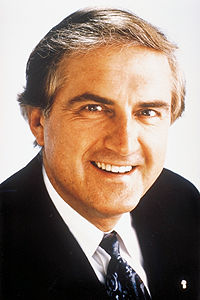
-
Collection
Royal Family
Canada is a constitutional monarchy with the King as head of state. The Crown holds the power to govern but this power is entrusted to the government, which is expected to lead on behalf of the people. The sovereign reigns by hereditary right — as opposed to the elected head of government — and is one of the three components of Parliament (the Crown, House of Commons and Senate).
"https://d3d0lqu00lnqvz.cloudfront.net/media/media/9aee58c9-042a-4c8d-874f-713bbb551f3e.jpg" // resources/views/front/categories/view.blade.php
https://d3d0lqu00lnqvz.cloudfront.net/media/media/9aee58c9-042a-4c8d-874f-713bbb551f3e.jpg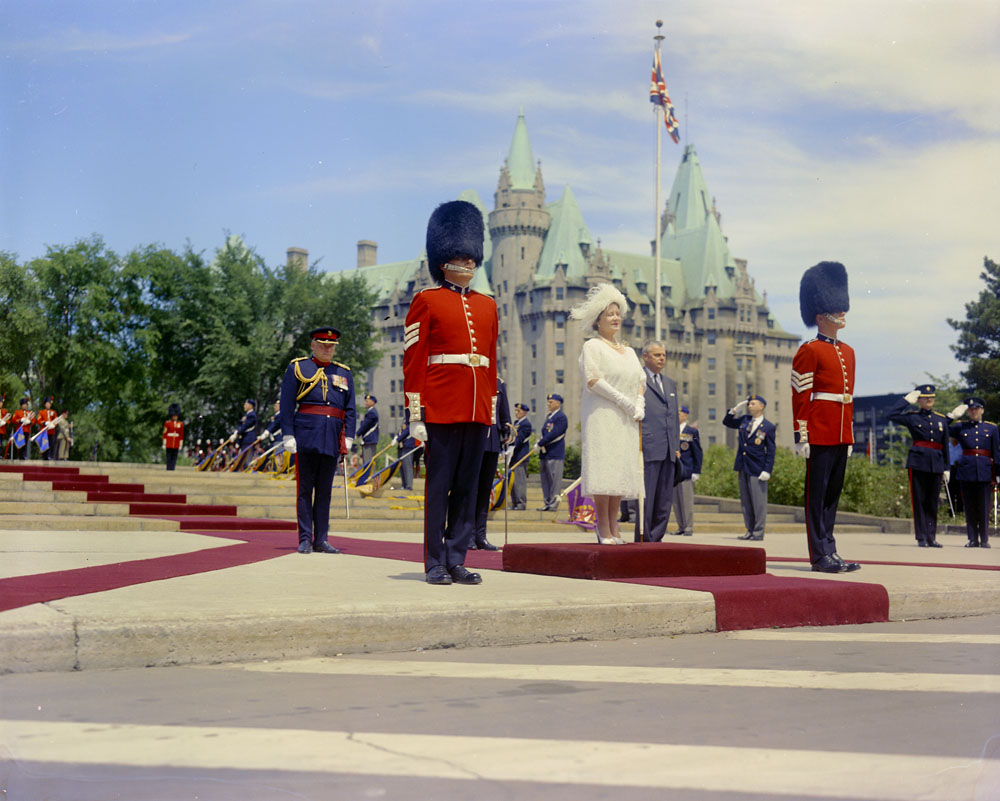
-
List
Royals Who Lived in Canada
There have been royal tours of Canada since the late 18th century, but some royalty stayed for longer than a few days or weeks and became property owners and/or long-term residents of Canada. Some lived in Canada on official business as military leaders or governors general, while others fled war, revolution or the paparazzi to find a safe haven. Here are 10 examples of royalty who lived in Canada.
"https://d3d0lqu00lnqvz.cloudfront.net/Royals/Zita_1917.jpg" // resources/views/front/categories/view.blade.php
https://d3d0lqu00lnqvz.cloudfront.net/Royals/Zita_1917.jpg
-
Article
Sam Steele
Sir Samuel Benfield Steele, CB, KCMG, mounted policeman, soldier (born 5 January 1848 in Medonte, Canada West; died 30 January 1919 in London, England). As a member of the North-West Mounted Police, Steele was an important participant in the signing of Treaty 6 and Treaty 7, the construction of the Canadian Pacific Railway, the North-West Rebellion and the Klondike gold rush. His military career began as a private in the Red River Expedition, included service in the South African War as an officer commanding Lord Strathcona’s Horse and as a major general during the First World War.
"https://d3d0lqu00lnqvz.cloudfront.net/media/media/a64c2753-6c2c-4abe-a75b-d9e9202495e4.jpg" // resources/views/front/categories/view.blade.php
https://d3d0lqu00lnqvz.cloudfront.net/media/media/a64c2753-6c2c-4abe-a75b-d9e9202495e4.jpg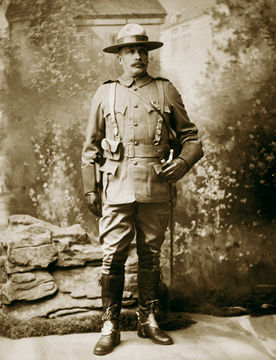
-
Article
Samuel Simpson Sharpe
This article contains sensitive material that may not be suitable for all audiences.Samuel Simpson Sharpe, barrister, politician, soldier (born on 13 March 1873 in Zephyr, Ontario; died 25 May 1918 in Montreal, Quebec). Sharpe was a militia officer and sitting Member of Parliament when he raised the 116th Battalion, Canadian Expeditionary Force, and took it overseas. After participating in some of Canada’s bloodiest battles of the war, he was hospitalized for “nervous shock” and returned to Canada. While undergoing treatment, he committed suicide by jumping from a Montreal hospital window.
"https://d3d0lqu00lnqvz.cloudfront.net/Sharpe/Sharpe_relief.jpg" // resources/views/front/categories/view.blade.php
https://d3d0lqu00lnqvz.cloudfront.net/Sharpe/Sharpe_relief.jpg
-
Article
Sandy Silver
Sidney Alexander “Sandy” Silver, premier of Yukon (2016–23), teacher, musician, volunteer (born 15 October 1969 in Antigonish, NS). Sandy Silver has been a member of the Yukon legislature since 2011. He became interim leader of the Yukon Liberal Party in 2012, leader in 2014 and premier of the Yukon in 2016, when his party won a majority government. After leading the Yukon through the COVID-19 pandemic and leaving the government with a $55-million surplus, Silver announced he would not seek re-election. He stepped down as Liberal leader and premier in January 2023.
"https://d3d0lqu00lnqvz.cloudfront.net/media/media/32bb6801-14ea-40f6-be53-969fa5804ee2.jpg" // resources/views/front/categories/view.blade.php
https://d3d0lqu00lnqvz.cloudfront.net/media/media/32bb6801-14ea-40f6-be53-969fa5804ee2.jpg
-
Article
Scott Moe
Scott Moe, 15th premier of Saskatchewan (2018–present), Cabinet minister, businessman (born circa 1973 near Shellbrook, SK). In January 2018, Scott Moe won the leadership of the Saskatchewan Party and was sworn in as premier on 2 February 2018. After completing a university degree in agriculture, he worked in the agricultural equipment industry for several years. Moe entered politics in 2011 as an MLA representing the Saskatchewan Party and served several posts in government, including as environment minister. In January 2018, Moe won the leadership of the Saskatchewan Party and replaced Brad Wall as premier.
"https://d3d0lqu00lnqvz.cloudfront.net/media/media/e2d2312e-310e-4b0d-a981-cb02f0b327f4.jpg" // resources/views/front/categories/view.blade.php
https://d3d0lqu00lnqvz.cloudfront.net/media/media/e2d2312e-310e-4b0d-a981-cb02f0b327f4.jpg
-
Article
Racial Segregation of Asian Canadians
The beginning of Chinese immigration to present-day British Columbia in the 1850s sparked a vociferous and sustained opposition from Euro-Canadian residents. This opposition intensified with the arrival of Japanese immigrants in the 1870s and South Asians in the early 1900s. To counter the supposed racial and economic dangers presented by these groups, labour leaders and others in the province successfully lobbied for legal and social restrictions on Asian employment, housing, education and civic participation in the province. These formed the basis for Asian segregation in British Columbia and Canada generally, which continued until the end of Japanese internment and the removal of all Asian voting restrictions in 1949. While it never attained the level of racial separation seen during the US South’s Jim Crow era, Asian segregation from whites in 19th and early 20th century Canada defined many aspects of everyday life in Canada.
"https://d3d0lqu00lnqvz.cloudfront.net/media/media/0cf92f4d-b2fe-43d7-90b4-4d520d9659b6.jpg" // resources/views/front/categories/view.blade.php
https://d3d0lqu00lnqvz.cloudfront.net/media/media/0cf92f4d-b2fe-43d7-90b4-4d520d9659b6.jpg
-
Article
Sheriff
Sheriff Sheriff In each county and judicial district in Canada sheriffs, appointed by the lieutenant-governor-in-council, serve processes (eg, writs of summonses); attend upon supreme and county court judges and maintain order in the courts (performed by constables); execute judgements, eg, seizing the judgement debtor's goods (performed by BAILIFFS); summon and supervise JURIES, and take custody of noncriminal prisoners.
"https://thecanadianencyclopedia.ca/images/tce_placeholder.jpg?v=e9dca980c9bdb3aa11e832e7ea94f5d9" // resources/views/front/categories/view.blade.php
https://thecanadianencyclopedia.ca/images/tce_placeholder.jpg?v=e9dca980c9bdb3aa11e832e7ea94f5d9
-
Article
Sir Allan Napier MacNab
Sir Allan Napier MacNab, soldier, lawyer, businessman, politician (born on 19 February 1798 in Newark [Niagara-on-the-Lake], Upper Canada; died on 8 August 1862 in Hamilton, Canada West). A forceful personality, MacNab had a deep influence on many aspects of pre-Confederation politics in Canada. He opposed the Upper Canada Rebellion and supported a number of Tory policies. MacNab became the premier of the United Canadas from 1854–56.
"https://d3d0lqu00lnqvz.cloudfront.net/AllanMacNab.jpg" // resources/views/front/categories/view.blade.php
https://d3d0lqu00lnqvz.cloudfront.net/AllanMacNab.jpg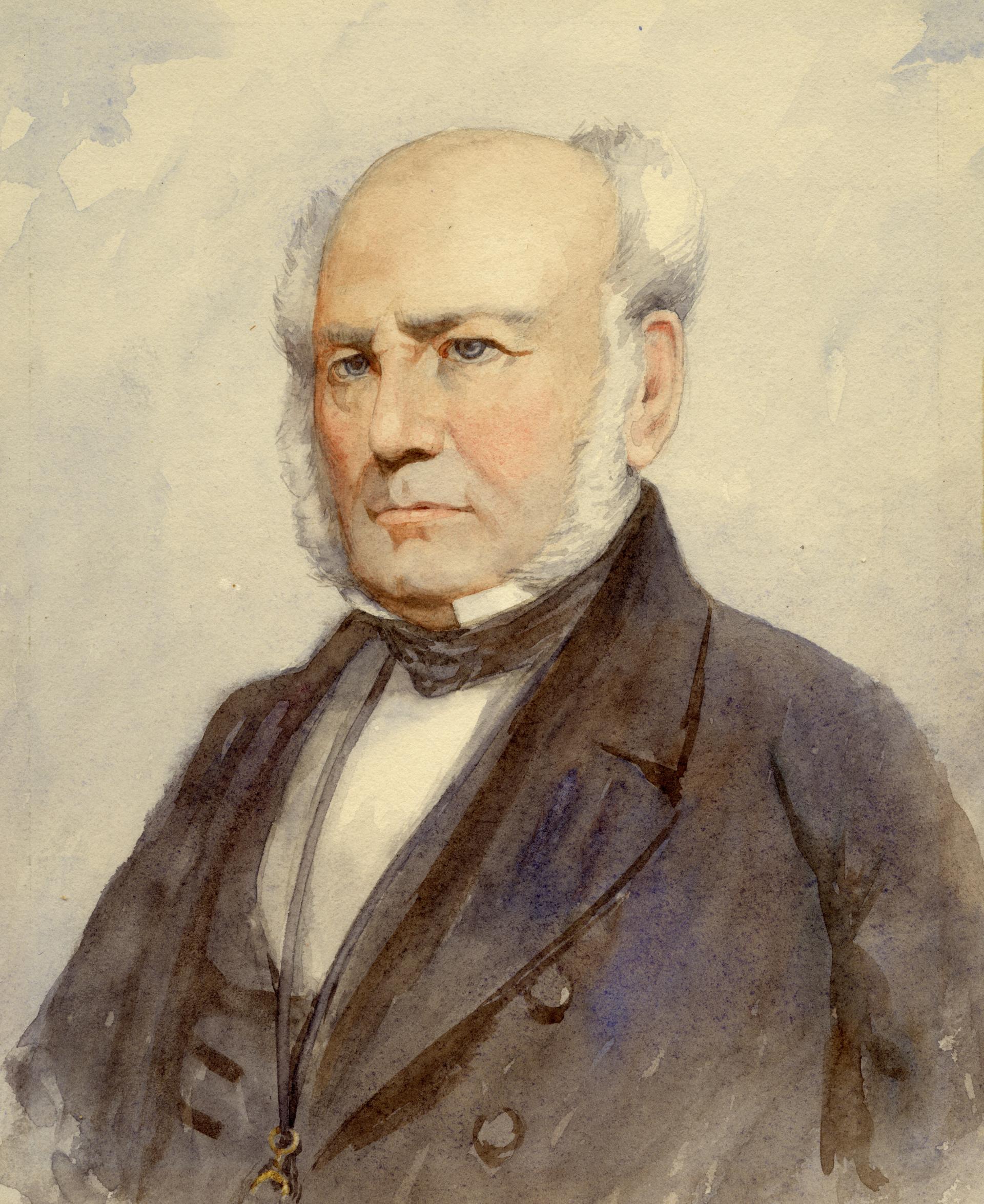
-
Article
Sir Ambrose Shea
Sir Ambrose Shea, diplomat, politician, businessman, newspaperman (born c. 1815 in St. John’s, Newfoundland; died 30 July 1905 in London, England). Sir Ambrose Shea was one of the most influential Newfoundland politicians of the 19th century. He served in the colony’s House of Assembly for 34 years, including six as Speaker. He was a key player in both Liberal and Conservative administrations, having crossed the floor twice. A skilled orator and diplomat, he was admired for his attempts to mend political divisions between Catholics and Protestants, and for his promotion of the island’s economic development. His enthusiastic support for Confederation following the Quebec Conference in 1864 hurt his career in Newfoundland, as Confederation did not gain popularity there until the mid-20th century. He is nevertheless considered a Father of Confederation. He also served as governor of the Bahamas.
"https://d3d0lqu00lnqvz.cloudfront.net/media/media/8b1f7a27-6a0d-40d1-b124-00d0bf899207.jpg" // resources/views/front/categories/view.blade.php
https://d3d0lqu00lnqvz.cloudfront.net/media/media/8b1f7a27-6a0d-40d1-b124-00d0bf899207.jpg
-
Article
Sir Cecil Edward Denny
Sir Cecil Edward Denny, 6th baronet of Tralee Castle, police officer, Indian agent, author (b in Hampshire, Eng 14 Dec 1850; d at Edmonton 24 Aug 1928). Denny is best known as the author of two colourful accounts of life with the North-West Mounted Police - The Riders of the Plains: A Reminiscence of the Early and Exciting Days in the North West (1905) and The Law Marches West (1939).
"https://d3d0lqu00lnqvz.cloudfront.net/Cecil_Denny.jpg" // resources/views/front/categories/view.blade.php
https://d3d0lqu00lnqvz.cloudfront.net/Cecil_Denny.jpg
-
Article
Sir Charles Bagot
Sir Charles Bagot, diplomat (born 23 Sept 1781 at Blithfield Hall, England; died 19 May 1843 in Kingston, Canada). Born to a wealthy and influential family, Bagot was elected to the British Parliament in 1807. He served in the cabinet as undersecretary of state for foreign affairs before appointments as Britain’s minister to France (1814), the United States (1816-19), Russia (1820-24), and the Netherlands (1824-32). As Britain’s minister to the United States, he negotiated the 1817 Rush-Bagot Agreement which reduced the number of military ships on the Great Lakes and Lake Champlain and helped secure the Canadian-American border. From 1841-43, he served as Governor General of the Province of Canada, advancing responsible government and French-English equality in the colony.
"https://d3d0lqu00lnqvz.cloudfront.net/SirCharlesBagot.jpg" // resources/views/front/categories/view.blade.php
https://d3d0lqu00lnqvz.cloudfront.net/SirCharlesBagot.jpg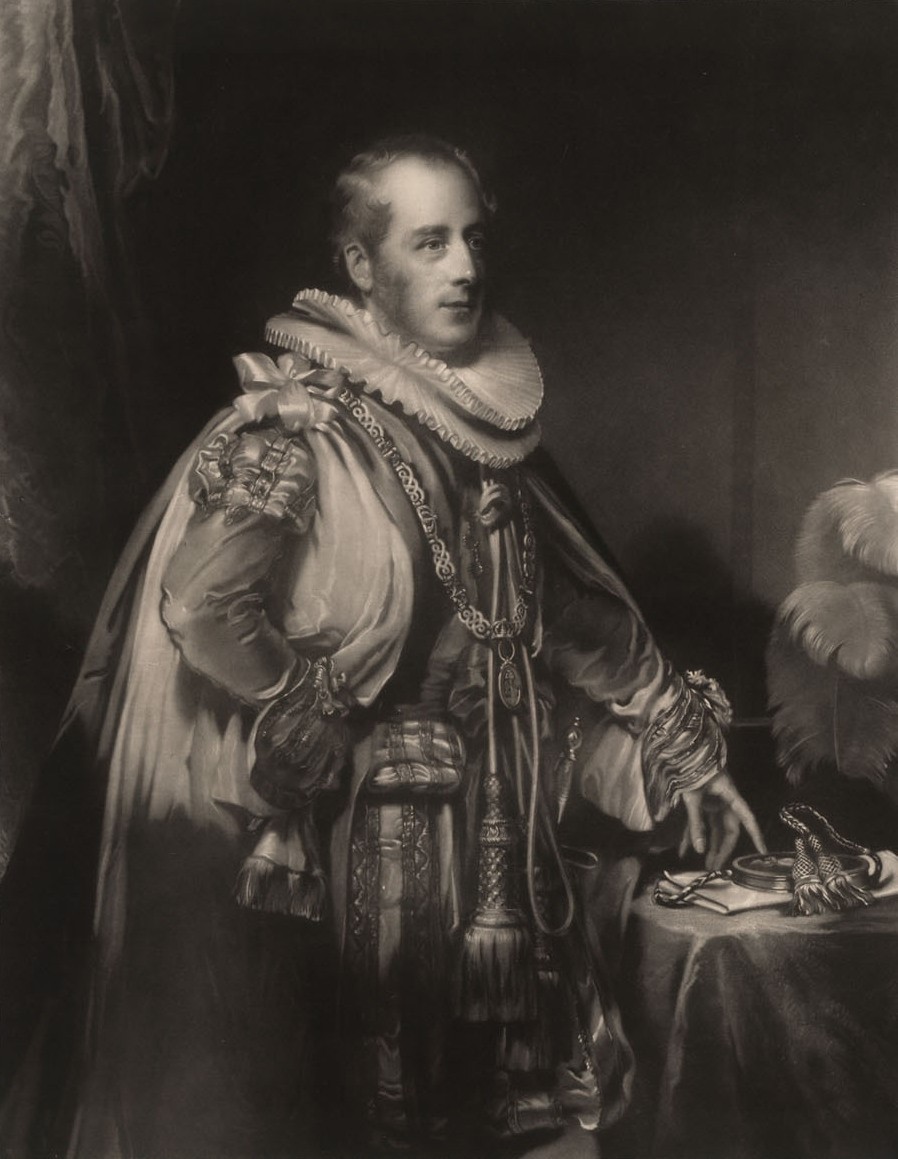
-
Article
Sir Charles Hibbert Tupper
Sir Charles Hibbert Tupper, politician, cabinet minister (born 3 August 1855 in Amherst, Nova Scotia; died 30 March 1927 in Vancouver, BC).
"https://d3d0lqu00lnqvz.cloudfront.net/CharlesHibbertTupper/a027388.jpg" // resources/views/front/categories/view.blade.php
https://d3d0lqu00lnqvz.cloudfront.net/CharlesHibbertTupper/a027388.jpg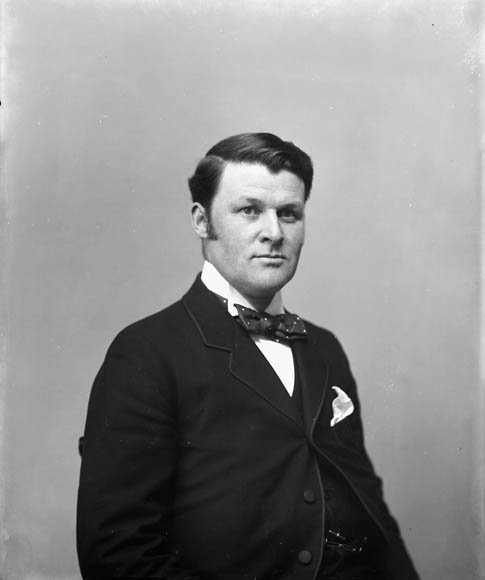
-
Article
Sir Charles Tupper
Sir Charles Tupper, prime minister, premier of Nova Scotia 1864–67, doctor (born 2 July 1821 in Amherst, NS; died 30 October 1915 in Bexleyheath, England). Charles Tupper led Nova Scotia into Confederation while he was premier. Over the course of his lengthy political career, he served as a federal Cabinet minister and diplomat, and briefly as prime minister of Canada — his 10-week term is the shortest in Canadian history. He was the last surviving Father of Confederation.
"https://d3d0lqu00lnqvz.cloudfront.net/media/media/d7345ad3-c345-4b5f-b0e9-44e0176c0c6d.jpg" // resources/views/front/categories/view.blade.php
https://d3d0lqu00lnqvz.cloudfront.net/media/media/d7345ad3-c345-4b5f-b0e9-44e0176c0c6d.jpg