
Browse "Politics & Law"
-
Article
Mumilaaq Qaqqaq
Mumilaaq Qaqqaq, Inuk Member of Parliament (born 4 November 1993 in Baker Lake, NU). In 2019, Qaqqaq became, at age 25, Nunavut’s youngest MP in history, and the first from the New Democratic Party (NDP) since Nunavut became a territory in 1999. Before entering politics, Qaqqaq was a public speaker and activist who raised awareness of the various crises that Inuit face (suicide, food insecurity, housing, climate).
"https://d3d0lqu00lnqvz.cloudfront.net/media/new_article_images/MumilaaqQaqqaq/Mumilaaq_Qaqqaq_CBC_image.jpeg" // resources/views/front/categories/view.blade.php
https://d3d0lqu00lnqvz.cloudfront.net/media/new_article_images/MumilaaqQaqqaq/Mumilaaq_Qaqqaq_CBC_image.jpeg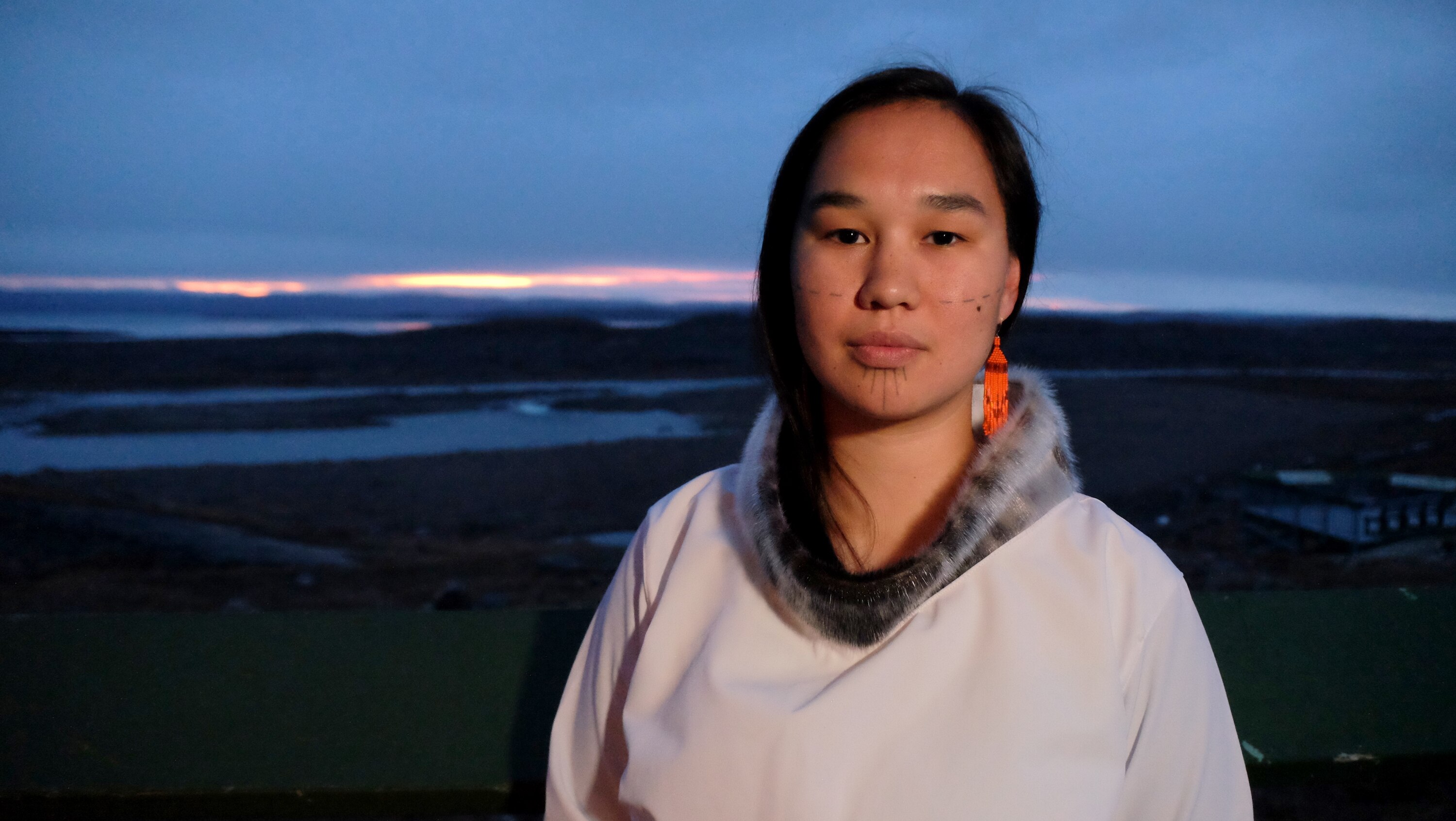
-
Article
Nancy Karetak-Lindell
Nancy Uqquujuq Karetak-Lindell, CM, Inuit leader, senator, politician (born 10 December 1957 in Eskimo Point, NT [now Arviat, NU]). Nancy Karetak-Lindell is an Inuit senator from Nunavut and was the Member of Parliament for Nunavut from 1997 to 2008. She has also served as the president of the Inuit Circumpolar Council Canada. A financial comptroller by trade, Karetak-Lindell had a long career working for Inuit organizations and held a number of government positions prior to becoming a senator (see Senate of Canada). Karetak-Lindell is recognized as the first female parliamentarian to represent the Eastern Arctic, as well as the first person to represent the new riding of Nunavut when it was established. She was also a key figure in the negotiations to create Nunavut in the 1990s.
"https://d3d0lqu00lnqvz.cloudfront.net/NancyKaretak-Lindell/Nancy_Karetak-Lindell_2025_resized.jpg" // resources/views/front/categories/view.blade.php
https://d3d0lqu00lnqvz.cloudfront.net/NancyKaretak-Lindell/Nancy_Karetak-Lindell_2025_resized.jpg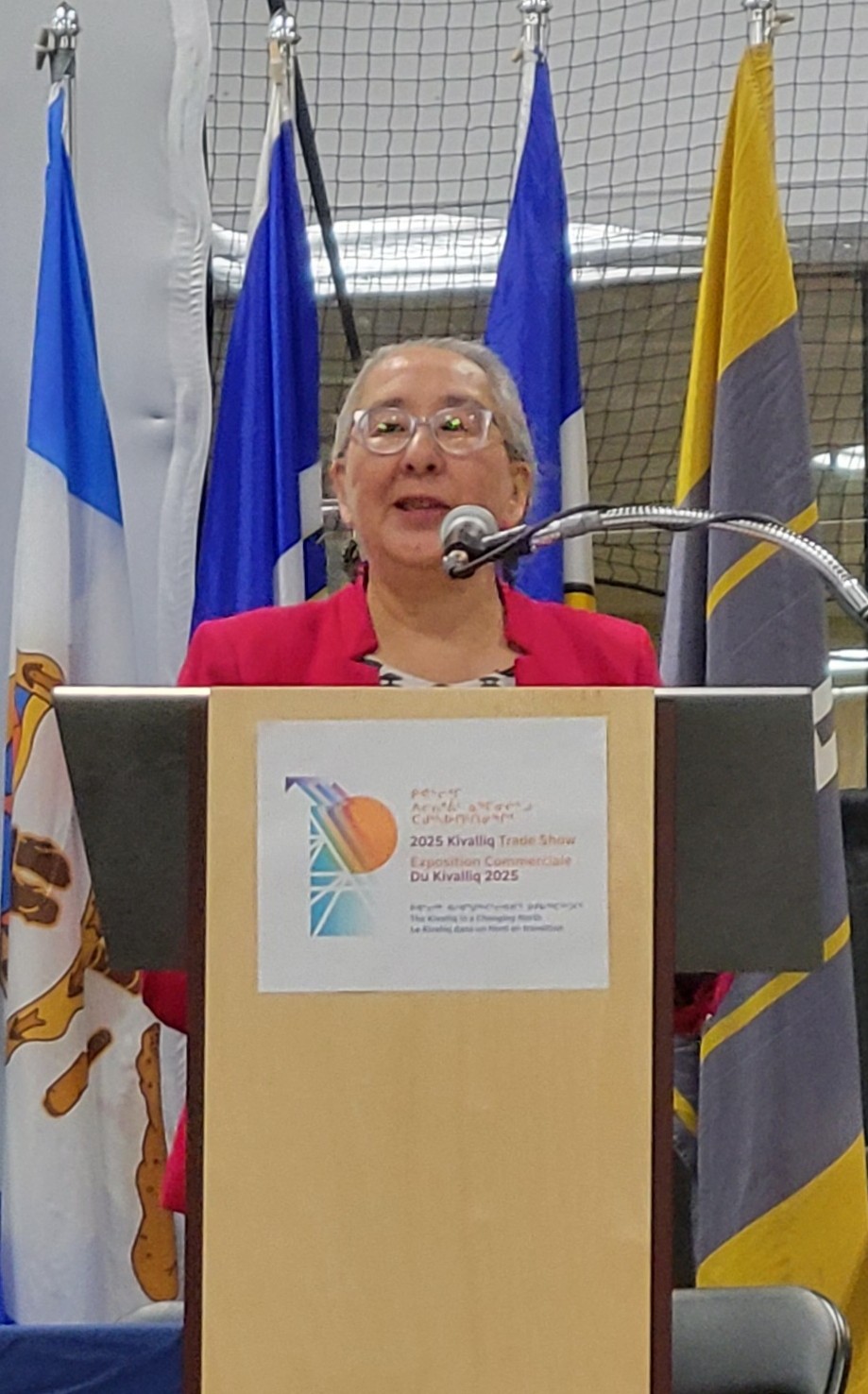
-
Article
Nathalie Provost
Nathalie Provost, PC, Secretary of State (Nature), Member of Parliament, engineer, gun control activist (born in 1966). As a survivor of the femicide that occurred on 6 December 1989 at Montreal’s École Polytechnique (see École Polytechnique Tragedy), she is a well-renowned and socially engaged anti-gun activist. In 2025, she was elected as Liberal Member of Parliament for Châteauguay–Les Jardins-de-Napierville. She was then appointed Secretary of State for Nature under Mark Carney’s government.
"https://d3d0lqu00lnqvz.cloudfront.net/Nathalie-Provost.jpg" // resources/views/front/categories/view.blade.php
https://d3d0lqu00lnqvz.cloudfront.net/Nathalie-Provost.jpg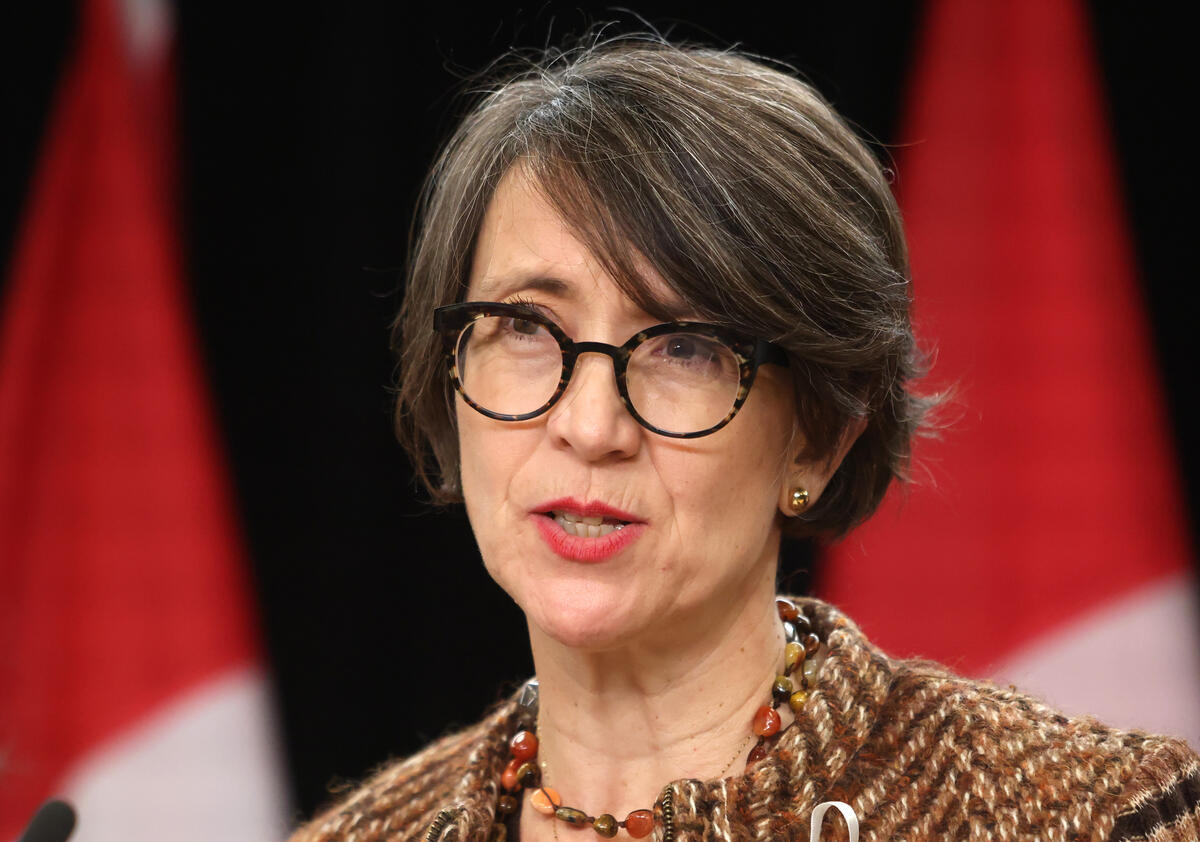
-
Article
Native People's Caravan
The Native People’s Caravan was a cross-country mobile protest that took place in 1974. Its main purpose was to raise awareness about the poor living conditions and discrimination experienced by Indigenous peoples in Canada. It travelled from Vancouver to Ottawa, where the subsequent occupation of a vacant warehouse on Victoria Island, near Parliament Hill, extended into 1975. The caravan brought various Indigenous groups together in protest of broken treaties, as well as a lack of government-supported education, housing and health care. As a result, meetings between Cabinet ministers and Indigenous leaders became more frequent. The protest is remembered as an important turning point in Indigenous activism in Canada.
"https://d3d0lqu00lnqvz.cloudfront.net/media/media/e9e4a925-a033-404d-9819-a3bb46fe9c8e.jpg" // resources/views/front/categories/view.blade.php
https://d3d0lqu00lnqvz.cloudfront.net/media/media/e9e4a925-a033-404d-9819-a3bb46fe9c8e.jpg
-
Article
Nellie J. Cournoyea
Nellie J. Cournoyea, OC, ONWT, premier of the Northwest Territories 1991–95, politician (born on 4 March 1940 in Aklavik, NT). Cournoyea is the first Indigenous woman to lead a provincial or territorial government in Canada.
"https://d3d0lqu00lnqvz.cloudfront.net/IndiLeaderStamps/nellie-cournoyea-stamp.jpg" // resources/views/front/categories/view.blade.php
https://d3d0lqu00lnqvz.cloudfront.net/IndiLeaderStamps/nellie-cournoyea-stamp.jpg
-
Article
Nicholas Kasirer
Nicholas Kasirer, FRSC, lawyer, professor, author, justice of the Court of Appeal of Quebec, justice of the Supreme Court of Canada (born 2 February 1960, in Montreal, QC). Nicholas Kasirer is a bilingual former law professor who is well-versed in both civil law and common law. He has been one of three Quebec justices on the Supreme Court of Canada since 16 September 2019. Kasirer previously served on the Court of Appeal of Quebec. He has been published widely on many aspects of the law. He was also dean of McGill University’s Faculty of Law from 2003 to 2009.
"https://d3d0lqu00lnqvz.cloudfront.net/nicholas-kasirer-rr-hr.jpg" // resources/views/front/categories/view.blade.php
https://d3d0lqu00lnqvz.cloudfront.net/nicholas-kasirer-rr-hr.jpg
-
Article
Numbered Treaties (Plain-Language Summary)
The Numbered Treaties are a series of 11 treaties. A treaty is an agreement between two or more nations. The Numbered Treaties were signed by the Canadian government and Indigenous people. All 11 treaties were signed between 1871 and 1921. The Numbered Treaties cover parts of British Columbia, Alberta, Saskatchewan, Manitoba, Ontario. They also cover portions of Yukon and the Northwest Territories. The treaties provided the Canadian government with land. The government wanted land for industrial development and white settlement. In exchange, the government promised Indigenous people special rights and benefits. These treaty terms are controversial and contested. The Numbered Treaties have ongoing legal, social, and economic impacts on Indigenous communities. (See also Treaties with Indigenous Peoples in Canada.) (This is a plain-language summary of the Numbered Treaties. If you are interested in reading about this topic in more depth, please see our full-length entry, Numbered Treaties.)
"https://d3d0lqu00lnqvz.cloudfront.net/media/media/4f1d71aa-8b25-417f-a88b-2a078f3b1768.jpg" // resources/views/front/categories/view.blade.php
https://d3d0lqu00lnqvz.cloudfront.net/media/media/4f1d71aa-8b25-417f-a88b-2a078f3b1768.jpg
-
Article
Official Languages Act (1988) (Plain-Language Summary)
The Official Languages Act of 1969 made English and French the two official languages in Canada. The Official Languages Act of 1988 offered more detail about how the policies of bilingualism should be put into practice. It highlighted the responsibilities of federal institutions with respect to official languages in Canada. An important goal of the Official Languages Act is to ensure the equality of English and French in federal institutions and in Canadian society. (This article is a plain-language summary of the Official Languages Act of 1988. If you are interested in reading about this topic in more depth, please see our full-length entry on The Official Languages Act (1988).)
"https://thecanadianencyclopedia.ca/images/tce_placeholder.jpg?v=e9dca980c9bdb3aa11e832e7ea94f5d9" // resources/views/front/categories/view.blade.php
https://thecanadianencyclopedia.ca/images/tce_placeholder.jpg?v=e9dca980c9bdb3aa11e832e7ea94f5d9
-
Article
Olivia Chow
Olivia Chow, mayor of Toronto 2023–present, politician, organizer, artist (born 24 March 1957 in Hong Kong). Olivia Chow began her career in Toronto municipal politics as a school trustee in the 1980s. She went on to serve as a city councillor from 1991 until 2005. In 2006, she entered federal politics as a Member of Parliament. She took a prominent role in the NDP caucus alongside her husband, NDP leader Jack Layton. In 2023, Chow became the first racialized person elected mayor of Toronto.
"https://d3d0lqu00lnqvz.cloudfront.net/Olivia_Chow_at_Mayoral_Candidates_Roundtable_2014_cropped.jpg" // resources/views/front/categories/view.blade.php
https://d3d0lqu00lnqvz.cloudfront.net/Olivia_Chow_at_Mayoral_Candidates_Roundtable_2014_cropped.jpg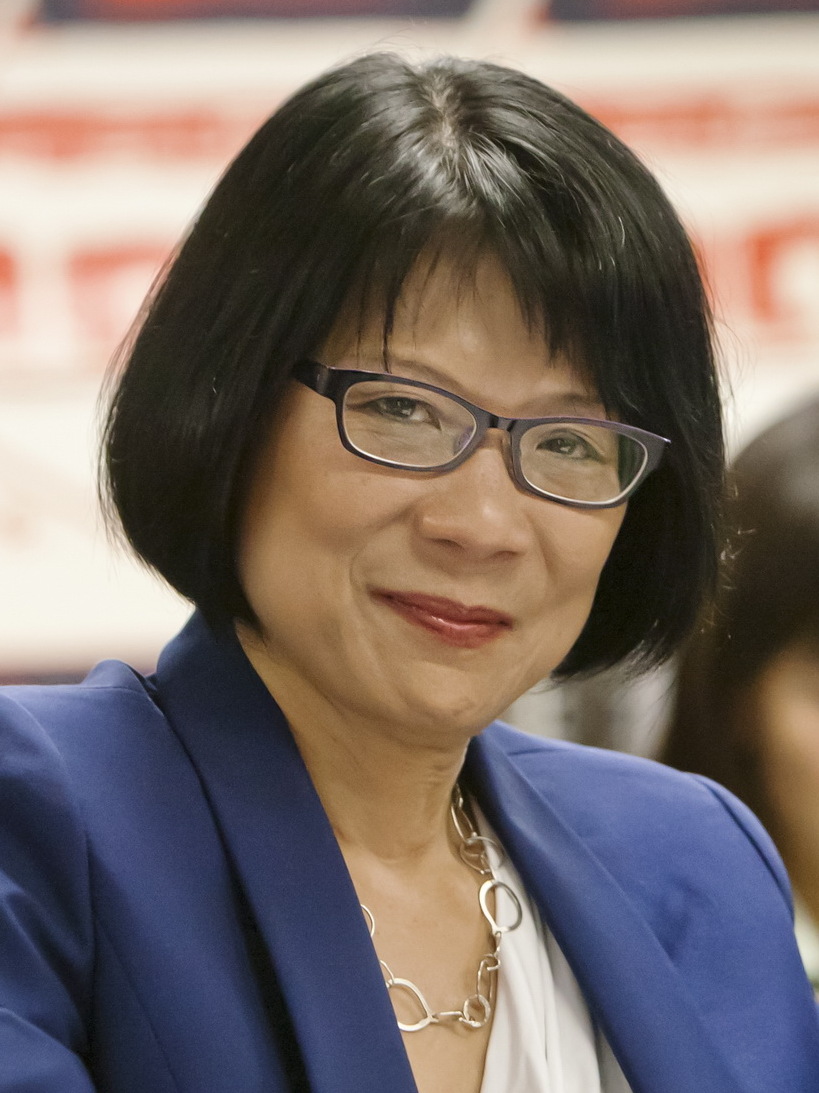
-
Article
Palbinder Kaur Shergill
Palbinder Kaur Shergill, QC, judge of the Supreme Court of British Columbia in New Westminster (born in Rurka Kalan, Punjab, India). Shergill spent 26 years practising law before she was appointed to the Supreme Court of British Columbia. She was the first turbaned Sikh woman to be appointed as a judge in Canada.
"https://d3d0lqu00lnqvz.cloudfront.net/media/new_article_images/PalbinderKaurShergill/Palbinder_Kaur_Shergill_Tweetonly.jpg" // resources/views/front/categories/view.blade.php
https://d3d0lqu00lnqvz.cloudfront.net/media/new_article_images/PalbinderKaurShergill/Palbinder_Kaur_Shergill_Tweetonly.jpg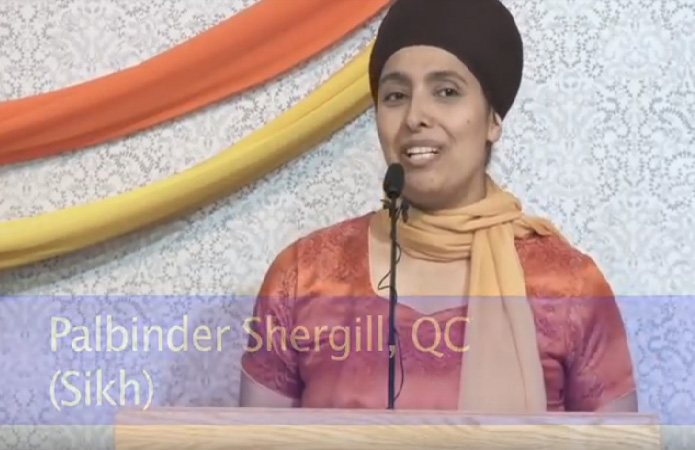
-
Article
Pat Carney
Patricia Carney, CM, PC, Member of Parliament 1980–88, senator 1991–2008, journalist, economist (born 26 May 1935 in Shanghai, China; died 25 July 2023). Pat Carney’s career was marked by many firsts. After working as the first female business columnist with a major daily newspaper in Canada, she became the first female Conservative politician from British Columbia to be elected to Parliament, in 1980. She was re-elected in 1984 and served as Minister of Energy, Mines and Resources, Minister of International Trade and president of the Treasury Board. She was the first woman to head each portfolio. In 1990, she became the first woman from British Columbia to be appointed to the Senate. Carney played a key role in negotiating NAFTA and cast the deciding vote that kept abortion legal in Canada.
"https://d3d0lqu00lnqvz.cloudfront.net/Pat_Carney.jpg" // resources/views/front/categories/view.blade.php
https://d3d0lqu00lnqvz.cloudfront.net/Pat_Carney.jpg
-
Article
Patriation of the Constitution
In 1982, Canada “patriated” its Constitution. It transferred the country’s highest law, the British North America Act (which was renamed the Constitution Act, 1867), from the authority of the British Parliament to Canada’s federal and provincial legislatures. The Constitution was also updated with a new amending formula and a Charter of Rights and Freedoms. These changes occurred after a fierce, 18-month political and legal struggle that dominated headlines and the agendas of every government in the country.
"https://thecanadianencyclopedia.ca/images/tce_placeholder.jpg?v=e9dca980c9bdb3aa11e832e7ea94f5d9" // resources/views/front/categories/view.blade.php
https://thecanadianencyclopedia.ca/images/tce_placeholder.jpg?v=e9dca980c9bdb3aa11e832e7ea94f5d9
-
Article
Paul Bernardo and Karla Homolka Case
The crimes of Paul Bernardo and his wife Karla Homolka were among the most horrifying and controversial in Canadian history. This article contains sensitive material that may not be suitable for all audiences.
"https://d3d0lqu00lnqvz.cloudfront.net/media/media/60d763f2-60f1-49b9-ae90-ea3f0d0916ec.jpg" // resources/views/front/categories/view.blade.php
https://d3d0lqu00lnqvz.cloudfront.net/media/media/60d763f2-60f1-49b9-ae90-ea3f0d0916ec.jpg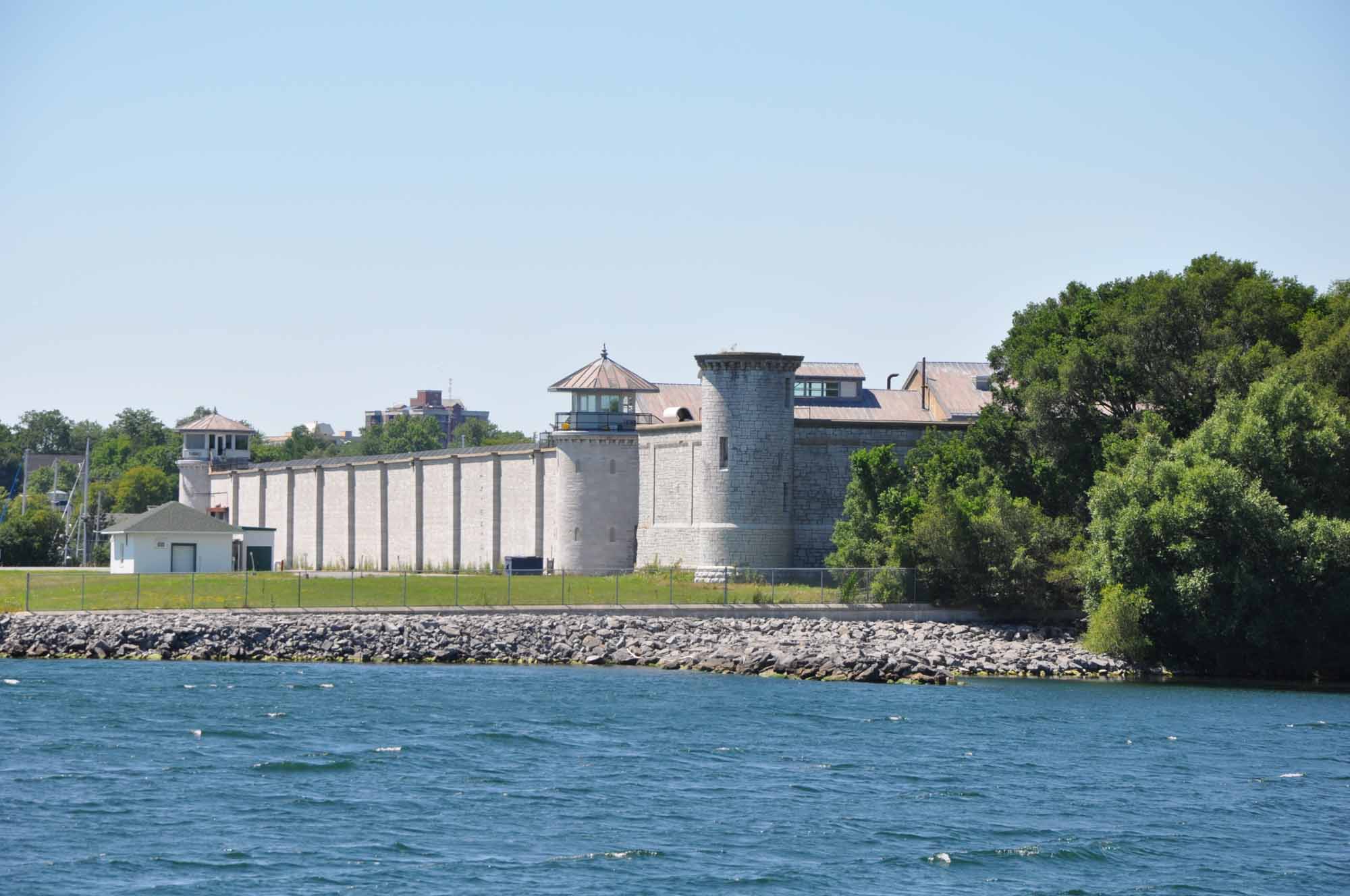
-
Article
Paul Hellyer
Paul Theodore Hellyer, PC, politician, engineer, businessman, writer (born 6 August 1923 near Waterford, ON; died 8 August 2021 in Toronto, ON). A long-time Member of Parliament (MP), Paul Hellyer served in the cabinets of prime ministers Lester B. Pearson and Pierre Trudeau, and was the longest-serving member of the Privy Council at the time of his death. As defence minister, he oversaw Canada’s adoption of nuclear weapons and organized the unification of the armed forces. Hellyer contested the leadership of both the Liberal and Progressive Conservative parties and led two small federal parties of his own creation. He was a notable critic of free trade and advocated for monetary reform. He also gained international notoriety for claiming that Western governments possess — and have been suppressing — evidence of UFOs and extraterrestrial life.
"https://d3d0lqu00lnqvz.cloudfront.net/Paul_Hellyer_1940s.jpg" // resources/views/front/categories/view.blade.php
https://d3d0lqu00lnqvz.cloudfront.net/Paul_Hellyer_1940s.jpg
-
Article
Paul Rose
Paul Rose, Québecois indépendantiste leader, terrorist, unionist (born 16 October 1943 in Montreal, Quebec; died 14 March 2013 in Montreal). He was a member of the Chénier Cell, also known as the South Shore Gang, of the Front de libération du Québec (FLQ) and a key player in the October Crisis. On 13 March 1971, he was sentenced for the kidnapping and murder of Pierre Laporte, a minister in the government of Quebec.
"https://d3d0lqu00lnqvz.cloudfront.net/media/single_use_images/Paul_Rose.jpg" // resources/views/front/categories/view.blade.php
https://d3d0lqu00lnqvz.cloudfront.net/media/single_use_images/Paul_Rose.jpg