
Browse "Military"
-
Memory Project Archive
Jack H. Davies (Primary Source)
Jack Davies was a pilot with 2nd Tactical Air Force, Royal Air Force (RAF) during the Second World War. Davies flew B-25 Mitchell medium bombers in support of British and Canadian forces advancing through Northwest Europe.
"https://d3d0lqu00lnqvz.cloudfront.net/The-Memory-Project/image/16200_original.jpg" // resources/views/front/categories/view.blade.php
https://d3d0lqu00lnqvz.cloudfront.net/The-Memory-Project/image/16200_original.jpg
-
Memory Project Archive
Jack Henry Hilton (Primary Source)
"We landed in France on a metal strip. I had a sniper bullet go across my head as I landed as I was taxing in and we slept in slit trenches and tents, ate bully beef and did our, we attacked the Germans." See below for Mr. Hilton's entire testimony. Please be advised that Memory Project primary sources may deal with personal testimony that reflect the speaker’s recollections and interpretations of events. Individual testimony does not necessarily reflect the views of the Memory Project and Historica Canada.
"https://d3d0lqu00lnqvz.cloudfront.net/MemoryProject/JackHenryHilton/7680_original.jpg" // resources/views/front/categories/view.blade.php
https://d3d0lqu00lnqvz.cloudfront.net/MemoryProject/JackHenryHilton/7680_original.jpg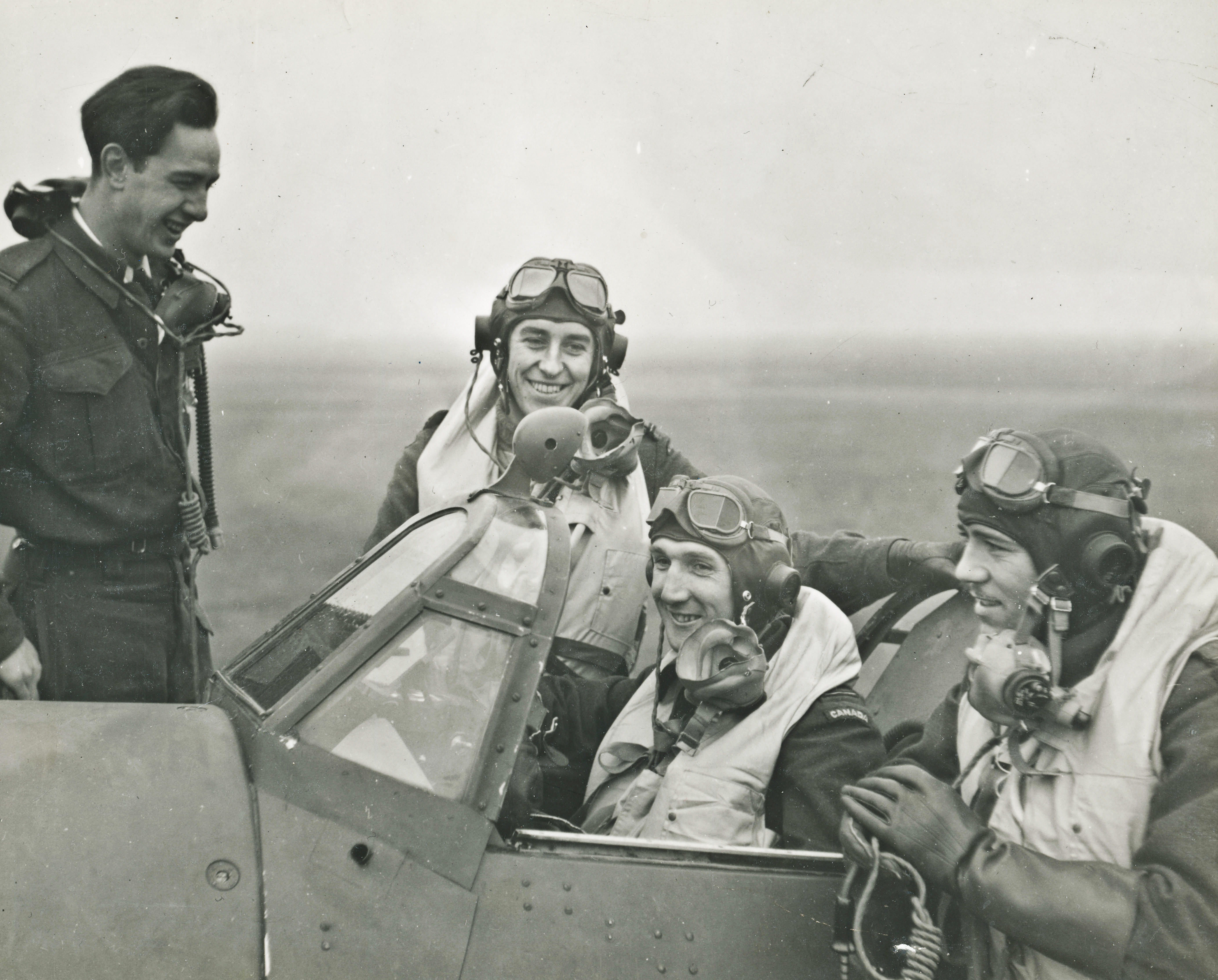
-
Memory Project Archive
Jack Martin (Primary Source)
Mr. Jack Martin served as a rifleman/mortarman in the Queens Own Rifles in Northwest Europe. He landed on Juno Beach as part of the assaulting wave on D-Day, and served with his regiment until the end of the war.Please be advised that Memory Project primary sources may deal with personal testimony that reflect the speaker’s recollections and interpretations of events. Individual testimony does not necessarily reflect the views of the Memory Project and Historica Canada.
"https://thecanadianencyclopedia.ca/images/tce_placeholder.jpg?v=e9dca980c9bdb3aa11e832e7ea94f5d9" // resources/views/front/categories/view.blade.php
https://thecanadianencyclopedia.ca/images/tce_placeholder.jpg?v=e9dca980c9bdb3aa11e832e7ea94f5d9
-
Memory Project Archive
Jack Mussellam (Primary Source)
Read and listen to M. Mussellam's veteran's testimony below.Please be advised that Memory Project primary sources may deal with personal testimony that reflect the speaker’s recollections and interpretations of events. Individual testimony does not necessarily reflect the views of the Memory Project and Historica Canada.
"https://d3d0lqu00lnqvz.cloudfront.net/The-Memory-Project/image/7394_original.jpg" // resources/views/front/categories/view.blade.php
https://d3d0lqu00lnqvz.cloudfront.net/The-Memory-Project/image/7394_original.jpg
-
Memory Project Archive
Jack Strong (Primary Source)
In 2011, The Memory Project interviewed Jack Jeffries Strong, a veteran of the Second World War. The following recording (and transcript) is an excerpt from this interview. Born on 15 March 1928 in Lowestoft, England, Strong was evacuated to the midlands during the war. He began working at a factory in Norwich at age 14, then joined the British Merchant Navy when he was 16. In this testimony, he recalls being bombed in Norwich, as well as the threat of submarine attacks in the merchant navy. Strong eventually became a captain in the merchant navy; he immigrated to Newfoundland in 1964 to start a position at the College of Fisheries (now Marine Institute) in St. John’s, where he worked for 20 years. He died on 18 March 2016 in St. John’s. (See also Merchant Navy of Canada and U-Boat Operations in Canadian Waters.) Please be advised that Memory Project primary sources may deal with personal testimony that reflect the speaker's recollections and interpretations of events. Individual testimony does not necessarily reflect the views of the Memory Project and Historica Canada.
"https://thecanadianencyclopedia.ca/images/tce_placeholder.jpg?v=e9dca980c9bdb3aa11e832e7ea94f5d9" // resources/views/front/categories/view.blade.php
https://thecanadianencyclopedia.ca/images/tce_placeholder.jpg?v=e9dca980c9bdb3aa11e832e7ea94f5d9
-
Memory Project Archive
Jack Western (Primary Source)
"The plane itself went down in what we call a flat corkscrew. Circling round and round and round and round and round...from about 12,000 feet" See below for Mr. Western's entire testimony. Please be advised that Memory Project primary sources may deal with personal testimony that reflect the speaker’s recollections and interpretations of events. Individual testimony does not necessarily reflect the views of the Memory Project and Historica Canada.
"https://d3d0lqu00lnqvz.cloudfront.net/MemoryProject/JackWestern/8838_538.jpg" // resources/views/front/categories/view.blade.php
https://d3d0lqu00lnqvz.cloudfront.net/MemoryProject/JackWestern/8838_538.jpg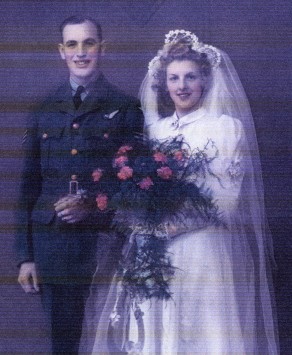
-
Memory Project Archive
Jacques Cinq-Mars (Primary Source)
Please be advised that Memory Project primary sources may deal with personal testimony that reflect the speaker’s recollections and interpretations of events. Individual testimony does not necessarily reflect the views of the Memory Project and Historica Canada.
"https://d3d0lqu00lnqvz.cloudfront.net/mpsb/Jacques-Cinq-Mars/3343_original.jpg" // resources/views/front/categories/view.blade.php
https://d3d0lqu00lnqvz.cloudfront.net/mpsb/Jacques-Cinq-Mars/3343_original.jpg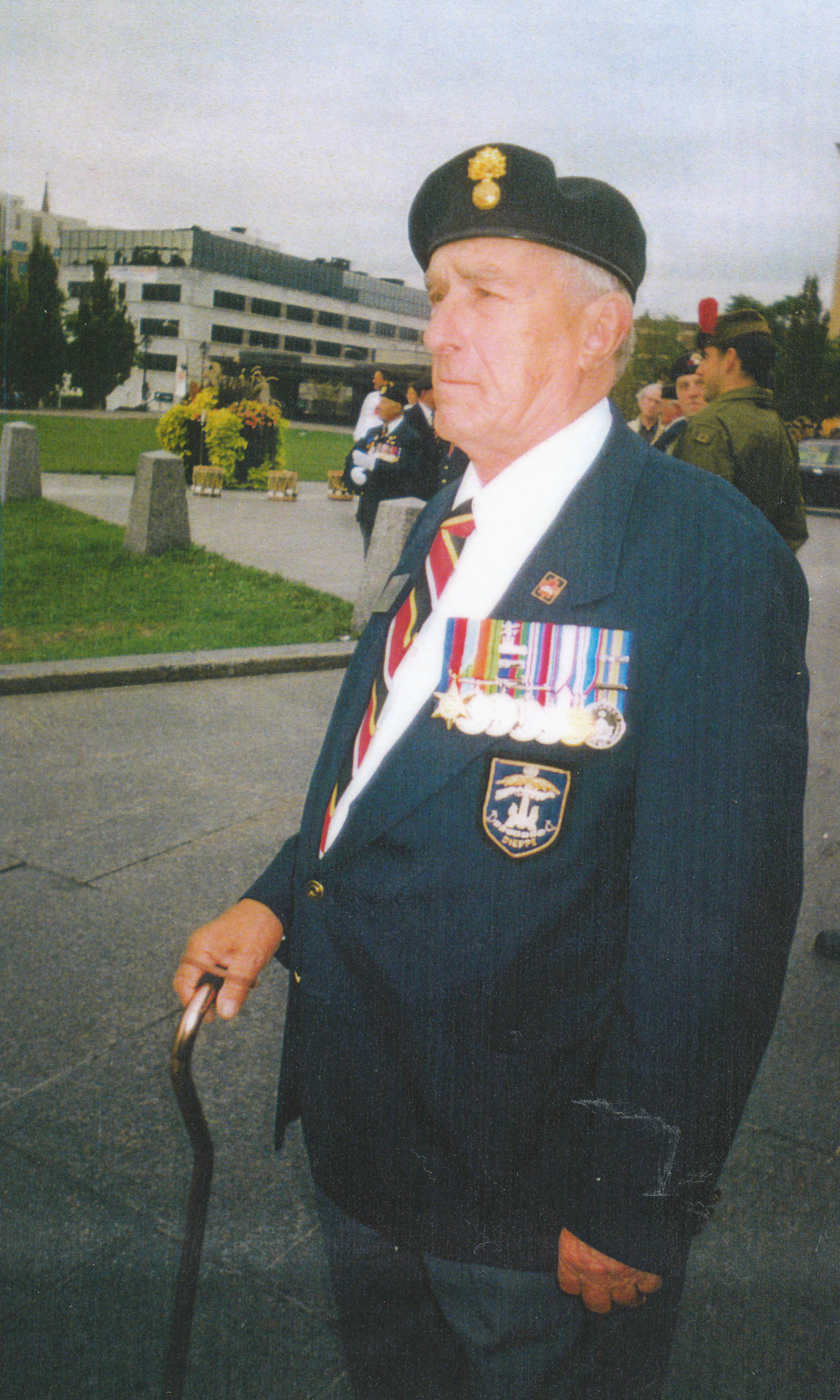
-
Memory Project Archive
James Andrew Winn (Primary Source)
In 2010, The Memory Project interviewed James Andrew Winn, a veteran of the Second World War. The following recording (and transcript) is an excerpt from this interview. From 1943 to 1945, Winn served with the Canadian army in the North Shore (New Brunswick) Regiment, Pioneer Platoon “C” Company. Born in Saint John, New Brunswick, on 18 November 1924, Winn enlisted in the Canadian army at the age of 18. He served as a sniper and, briefly, on heavy mortar duty, spending some time in the trenches in France. In this testimony, Winn discusses his landing on Juno Beach on D-Day, 6 June 1944. He also describes the gunshot injuries he sustained on a mission to capture the airport at Carpiquet, as well as the surrender of German forces. Winn died on 29 November 2015 in Summerside, Prince Edward Island. Please be advised that Memory Project primary sources may deal with personal testimony that reflect the speaker’s recollections and interpretations of events. Individual testimony does not necessarily reflect the views of the Memory Project and Historica Canada.
"https://d3d0lqu00lnqvz.cloudfront.net/media/media/f6f8902f-029b-4666-8ab3-5ccd0711dda3.jpg" // resources/views/front/categories/view.blade.php
https://d3d0lqu00lnqvz.cloudfront.net/media/media/f6f8902f-029b-4666-8ab3-5ccd0711dda3.jpg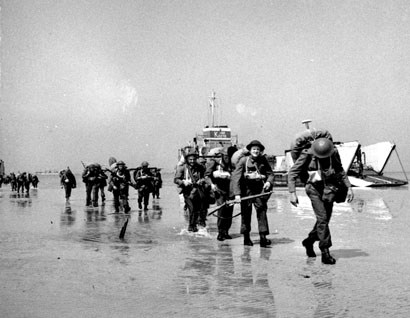
-
Memory Project Archive
James Annett (Primary Source)
James Annett served in the Royal Canadian Air Force during the Second World War. See his full testimony below.Please be advised that Memory Project primary sources may deal with personal testimony that reflect the speaker’s recollections and interpretations of events. Individual testimony does not necessarily reflect the views of the Memory Project and Historica Canada.
"https://d3d0lqu00lnqvz.cloudfront.net/mpsb/vimy/JamesAnnett/4600_resize.jpg" // resources/views/front/categories/view.blade.php
https://d3d0lqu00lnqvz.cloudfront.net/mpsb/vimy/JamesAnnett/4600_resize.jpg
-
Memory Project Archive
James Arthur “Mike” Forester (Primary Source)
Please be advised that Memory Project primary sources may deal with personal testimony that reflect the speaker’s recollections and interpretations of events. Individual testimony does not necessarily reflect the views of the Memory Project and Historica Canada.
"https://d3d0lqu00lnqvz.cloudfront.net/mpsb/James-Arthur-Mike-Forester/2824_original.jpg" // resources/views/front/categories/view.blade.php
https://d3d0lqu00lnqvz.cloudfront.net/mpsb/James-Arthur-Mike-Forester/2824_original.jpg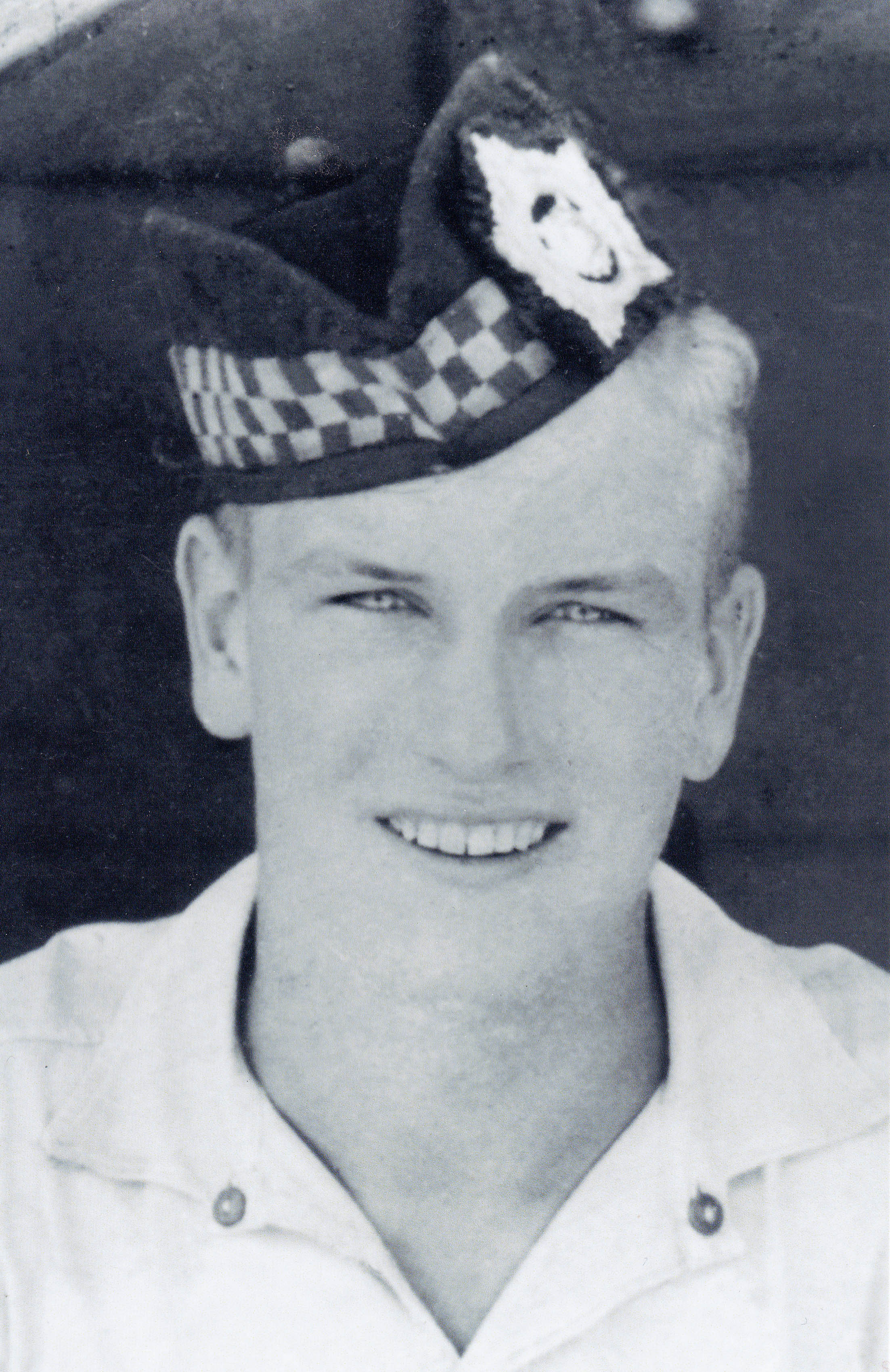
-
Memory Project Archive
James Dowell (Primary Source)
James Dowell served in the Royal Canadian Navy during the Second World War.Please be advised that Memory Project primary sources may deal with personal testimony that reflect the speaker’s recollections and interpretations of events. Individual testimony does not necessarily reflect the views of the Memory Project and Historica Canada.
"https://d3d0lqu00lnqvz.cloudfront.net/The-Memory-Project/image/5745_600.jpg" // resources/views/front/categories/view.blade.php
https://d3d0lqu00lnqvz.cloudfront.net/The-Memory-Project/image/5745_600.jpg
-
Memory Project Archive
James Duncan “Jim” Ritchie (Primary Source)
"We never had any problem with them. We’d go to their barber shops and get our hair cut. We were invited to their homes for meals." See below for Mr. Ritchie's entire testimony. Please be advised that Memory Project primary sources may deal with personal testimony that reflect the speaker’s recollections and interpretations of events. Individual testimony does not necessarily reflect the views of the Memory Project and Historica Canada.
"https://d3d0lqu00lnqvz.cloudfront.net/MemoryProject/JamesRitchie/592_538.jpg" // resources/views/front/categories/view.blade.php
https://d3d0lqu00lnqvz.cloudfront.net/MemoryProject/JamesRitchie/592_538.jpg
-
Memory Project Archive
James Eagle (Primary Source)
In 2012, The Memory Project interviewed James Wilfred Eagle, a Saulteaux veteran of the Korean War. The following recording (and transcript) is an excerpt from this interview. Eagle was born in 1934 on the Valley River Reserve in Manitoba and attended the Pine Creek Residential School (Camperville, Manitoba), between 1941 and 1946. In December 1952, he enlisted as an infantry soldier in The Queen’s Own Rifles of Canada. In February 1954, Eagle arrived in Korea as part of the regiment’s 2nd Battalion, which spent a year enforcing the armistice signed in July 1953. In this testimony, Eagle describes his time in Korea, including the accidental death of a friend. Eagle served in the Canadian army for 25 years, including periods in Cyprus, Germany and bases in Canada. After retiring, he became involved in the Indigenous friendship centre movement. He eventually moved to Ottawa, where he became executive director of the Odawa Native Friendship Centre. He was also head of the Ottawa chapter of the National Aboriginal Veterans Association and fought for a National Aboriginal Veterans Monument, which was unveiled in Confederation Park in Ottawa in 2001. Eagle died on 11 April 2023 in Ottawa. Please be advised that Memory Project primary sources may deal with personal testimony that reflect the speaker’s recollections and interpretations of events. Individual testimony does not necessarily reflect the views of the Memory Project and Historica Canada.
"https://d3d0lqu00lnqvz.cloudfront.net/MemoryProject/JamesEagle/14305_original.jpg" // resources/views/front/categories/view.blade.php
https://d3d0lqu00lnqvz.cloudfront.net/MemoryProject/JamesEagle/14305_original.jpg
-
Memory Project Archive
James Eddy (Primary Source)
"They went very well, until we got shot down on January the 15th, I think it was. Our target was Merseburg." See below for Mr. Eddy's entire testimony. Please be advised that Memory Project primary sources may deal with personal testimony that reflect the speaker’s recollections and interpretations of events. Individual testimony does not necessarily reflect the views of the Memory Project and Historica Canada.
"https://d3d0lqu00lnqvz.cloudfront.net/MemoryProject/JamesEddy/7784_original.jpg" // resources/views/front/categories/view.blade.php
https://d3d0lqu00lnqvz.cloudfront.net/MemoryProject/JamesEddy/7784_original.jpg
-
Memory Project Archive
James Finnie (Primary Source)
Jim Finnie joined the Royal Canadian Air Force (RCAF) in 1942. He began training as an air gunner in early 1943. He ultimately trained in gunnery on Fairey Battle, Armstrong Whitworth Whitley, and Handley Page Halifax aircraft. Shot down over France on his sixth air mission in-theatre, Finnie and another crew member hid in a barn until the French farmer turned them over to the Germans. He subsequently remained a prisoner of war until his escape from a camp in 1945.Please be advised that Memory Project primary sources may deal with personal testimony that reflect the speaker’s recollections and interpretations of events. Individual testimony does not necessarily reflect the views of the Memory Project and Historica Canada.
"https://thecanadianencyclopedia.ca/images/tce_placeholder.jpg?v=e9dca980c9bdb3aa11e832e7ea94f5d9" // resources/views/front/categories/view.blade.php
https://thecanadianencyclopedia.ca/images/tce_placeholder.jpg?v=e9dca980c9bdb3aa11e832e7ea94f5d9