
Browse "Communities & Sociology"
-
Article
Olive Dickason
Olive Patricia Dickason (née Williamson), CM, Métis journalist, historian, university professor, author (born 6 March 1920 in Winnipeg, MB; died 12 March 2011 in Ottawa, ON). Dickason was the first scholar in Canada to receive a PhD in Indigenous history. Her ground-breaking research and books about Indigenous and Métis history and culture transformed how Canadians perceive the origin of their country and Indigenous peoples. Dickason’s work inspired a new generation of scholars, helping to launch Indigenous studies as an area of scholarly research. She received an Order of Canada in recognition of her achievements.
"https://d3d0lqu00lnqvz.cloudfront.net/media/new_article_images/OliveDickason/Canada's First Nations.jpg" // resources/views/front/categories/view.blade.php
https://d3d0lqu00lnqvz.cloudfront.net/media/new_article_images/OliveDickason/Canada's First Nations.jpg
-
Article
Olivia Chow
Olivia Chow, mayor of Toronto 2023–present, politician, organizer, artist (born 24 March 1957 in Hong Kong). Olivia Chow began her career in Toronto municipal politics as a school trustee in the 1980s. She went on to serve as a city councillor from 1991 until 2005. In 2006, she entered federal politics as a Member of Parliament. She took a prominent role in the NDP caucus alongside her husband, NDP leader Jack Layton. In 2023, Chow became the first racialized person elected mayor of Toronto.
"https://d3d0lqu00lnqvz.cloudfront.net/Olivia_Chow_at_Mayoral_Candidates_Roundtable_2014_cropped.jpg" // resources/views/front/categories/view.blade.php
https://d3d0lqu00lnqvz.cloudfront.net/Olivia_Chow_at_Mayoral_Candidates_Roundtable_2014_cropped.jpg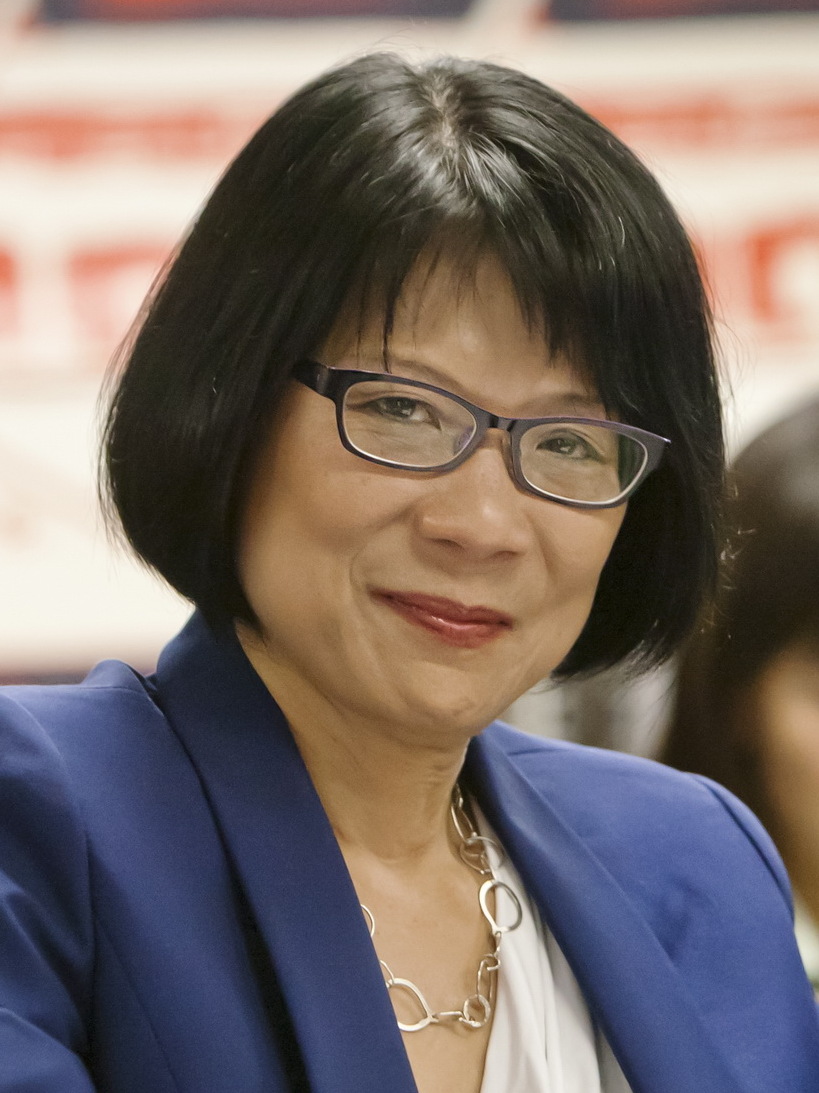
-
Article
Olivia Poole
Susan Olivia Davis Poole, inventor (born 18 April 1889 in Devils Lake, North Dakota; died 10 October 1975 in Ganges, BC). Olivia Poole was raised on the Ojibwe White Earth Reservation in Minnesota. There, she was inspired by the traditional practice of using a bouncing cradleboard to soothe babies. In 1957, she patented her invention of the baby jumper, under the name Jolly Jumper, making her one of the first Indigenous women in Canada to patent and profit from an invention.
"https://d3d0lqu00lnqvz.cloudfront.net/Poole 1.jfif" // resources/views/front/categories/view.blade.php
https://d3d0lqu00lnqvz.cloudfront.net/Poole 1.jfif -
Article
Olivier Le Jeune
We may never know the exact number of British ships that carried enslaved people from the continent of Africa to the New World (see Black Enslavement in Canada). However, the earliest record of enslaved Black Africans in New France is the sale of a boy from either Madagascar or Guinea. In 1629, the child, believed to have been around six years old, was brought to New France aboard a British ship as the chattel slave of Sir David Kirke, a trader and privateer for England’s King Charles I. The boy was later sold to a French clerk named Olivier Le Baillif, and then transferred to Guillaume Couillard. In 1633, the enslaved boy was baptized and given the name Olivier Le Jeune. Le Jeune remained in the colony of New France for the rest of his life until he died on 10 May 1654.
"https://d3d0lqu00lnqvz.cloudfront.net/media/media/10e1983c-bdbe-4650-9121-50dd7f143f28.jpg" // resources/views/front/categories/view.blade.php
https://d3d0lqu00lnqvz.cloudfront.net/media/media/10e1983c-bdbe-4650-9121-50dd7f143f28.jpg
-
Article
Oneida
The Oneida (Onyota’a:ka “People of the Standing Stone”) are an Indigenous nation in Canada. The Oneida are one the five original nations of the Haudenosaunee Confederacy. Historically, the Oneida occupied a village near Oneida Lake in New York state. They also occupy territory in southwestern Ontario. Oneida people live both on and off reserves. As of November 2023, the Government of Canada reported 6,503 members of Oneida Nation of the Thames and 2,254 Oneida members of Six Nations of the Grand River. (See also First Nations and Indigenous Peoples in Canada.)
"https://d3d0lqu00lnqvz.cloudfront.net/Flag_of_the_Oneida_of_the_Thames_First_Nation.png" // resources/views/front/categories/view.blade.php
https://d3d0lqu00lnqvz.cloudfront.net/Flag_of_the_Oneida_of_the_Thames_First_Nation.png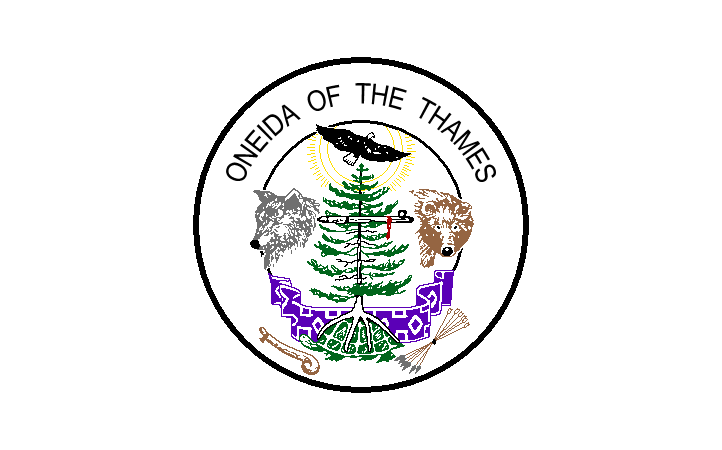
-
Article
Onondaga
The Onondaga are an Indigenous nation in Canada. They make up one-sixth of the Haudenosaunee Confederacy; the rest include the Kanyen’kehà:ka (Mohawk), Cayuga, Seneca, Oneida and Tuscarora. Onondaga traditional territory is located outside Syracuse, New York. Onondaga peoples also live on Six Nations territory near Brantford, Ontario. According to the Government of Canada, in January 2024, there were 711 registered members of the Bearfoot Onondaga First Nation and 892 registered members of the Onondaga Clear Sky First Nation. (See also First Nations.)
"https://d3d0lqu00lnqvz.cloudfront.net/3546949418_5e04fd2103_b.jpg" // resources/views/front/categories/view.blade.php
https://d3d0lqu00lnqvz.cloudfront.net/3546949418_5e04fd2103_b.jpg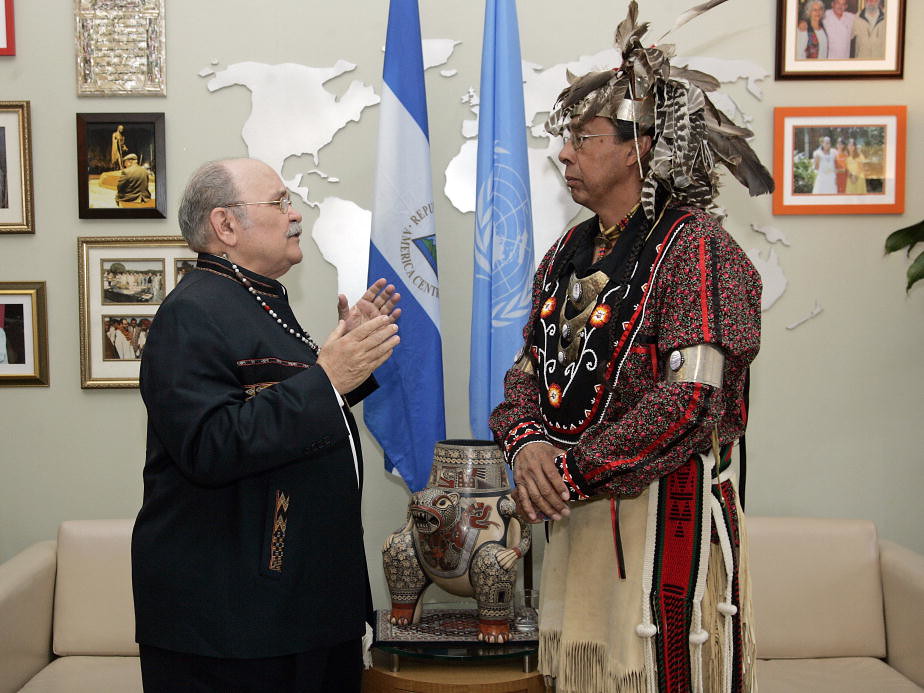
-
Article
Ontario Schools Question
The Ontario schools question was the first major schools issue to focus on language rather than religion. In Ontario, French or French-language education remained a contentious issue for nearly a century, from 1890 to 1980, with English-speaking Catholics and Protestants aligned against French-speaking Catholics.
"https://d3d0lqu00lnqvz.cloudfront.net/media/media/0bbc7423-f097-4fac-8e20-9663a9419422.jpg" // resources/views/front/categories/view.blade.php
https://d3d0lqu00lnqvz.cloudfront.net/media/media/0bbc7423-f097-4fac-8e20-9663a9419422.jpg
-
Article
Onye Nnorom
Onyenyechukwu (Onye) Nnorom, family physician, specialist in public health and preventive medicine (born 27 February 1981 in Montreal, Quebec). Dr. Nnorom is an assistant professor at the University of Toronto and the first Black associate chief medical officer of health for the province of Ontario. In addition to safeguarding public health her portfolio includes a focus on Black health. Throughout her career, Nnorom’s work has addressed the health inequities that racialized and immigrant communities face in Canada.
"https://d3d0lqu00lnqvz.cloudfront.net/media/new_article_images/OnyeNnorom/Onye_Nnorom2.JPG" // resources/views/front/categories/view.blade.php
https://d3d0lqu00lnqvz.cloudfront.net/media/new_article_images/OnyeNnorom/Onye_Nnorom2.JPG
-
Article
Orange Order in Canada
The Orange Order was a political and religious fraternal society in Canada. From the early 19th century, members proudly defended Protestantism and the British connection while providing mutual aid. The Order had a strong influence in politics, particularly through patronage at the municipal level, and developed a reputation for sectarianism and rioting.
"https://d3d0lqu00lnqvz.cloudfront.net/media/media/d5c87930-81f5-4775-8e06-bdef546856e2.jpg" // resources/views/front/categories/view.blade.php
https://d3d0lqu00lnqvz.cloudfront.net/media/media/d5c87930-81f5-4775-8e06-bdef546856e2.jpg
-
Article
Order-in-Council P.C. 1911-1324 — the Proposed Ban on Black Immigration to Canada
Order-in-Council P.C. 1324 was approved on 12 August 1911 by the Cabinet of Prime Minister Sir Wilfrid Laurier. The purpose of the order was to ban Black persons from entering Canada for a period of one year because, it read, “the Negro race…is deemed unsuitable to the climate and requirements of Canada.” The order-in-council was the culmination of what researcher R. Bruce Shepard has called Canada’s “campaign of diplomatic racism.” Though the order never became law, the actions of government officials made it clear that Black immigrants were not wanted in Canada (see Immigration).
"https://d3d0lqu00lnqvz.cloudfront.net/media/media/9d43e9db-d903-4447-a4a6-ad497d99685f.jpg" // resources/views/front/categories/view.blade.php
https://d3d0lqu00lnqvz.cloudfront.net/media/media/9d43e9db-d903-4447-a4a6-ad497d99685f.jpg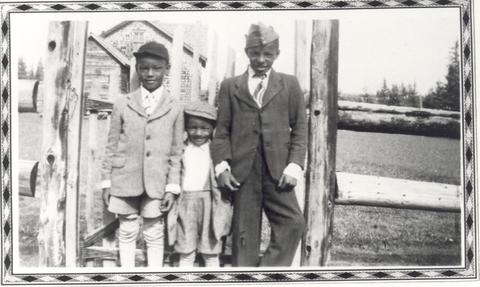
-
Article
Ordre de Bon Temps
Ordre de Bon Temps ("Order of Good Cheer"), was founded at Port-Royal in 1606 by Samuel de Champlain .
"https://d3d0lqu00lnqvz.cloudfront.net/media/media/eae4b142-cd6b-4c86-a303-32da3140b207.jpg" // resources/views/front/categories/view.blade.php
https://d3d0lqu00lnqvz.cloudfront.net/media/media/eae4b142-cd6b-4c86-a303-32da3140b207.jpg
-
Article
Ordre de Jacques-Cartier
The Ordre de Jacques-Cartier (OJC), commonly known as “La Patente,” was a secret society founded in 1926 in Vanier (now Ottawa), Ontario, to further the religious, social and economic interests of French Canadians. At the forefront of the conflicts over language and nationalism until the 1960s, it discreetly wielded its influence by infiltrating various associations, and it mobilized its members within a strict authoritarian structure. The rise of Québécois nationalism and internal tensions led to its dissolution in 1965.
"https://d3d0lqu00lnqvz.cloudfront.net/media/media/4b2db646-824c-461d-acf7-30a5d5095b35.jpg" // resources/views/front/categories/view.blade.php
https://d3d0lqu00lnqvz.cloudfront.net/media/media/4b2db646-824c-461d-acf7-30a5d5095b35.jpg
-
Article
Orkneymen
The first Orkneymen were brought out in the first decade of the 18th century, but the practice did not become regular until the 1730s. At the peak of their involvement with the HBC in 1800, Orkneymen comprised 80% of a labour force of almost 500.
"https://d3d0lqu00lnqvz.cloudfront.net/media/media/95512382-eee8-4a7d-a54c-492b588099a8.jpg" // resources/views/front/categories/view.blade.php
https://d3d0lqu00lnqvz.cloudfront.net/media/media/95512382-eee8-4a7d-a54c-492b588099a8.jpg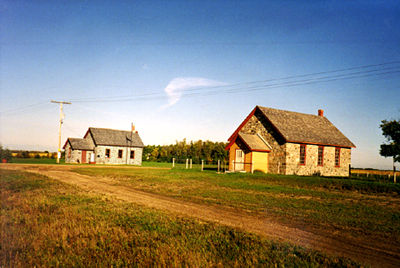
-
Article
Oronhyatekha
Oronhyatekha (pronounced O-RON-ya-day-ga, meaning "Burning Sky" or “Burning Cloud”), also known as Peter Martin, a Kanyen'kehà:ka (Mohawk) medical doctor and businessman (born 10 August 1841 on the Six Nations of the Grand River reserve near Brantford, Canada West [now Ontario]; died 3 March 1907 in Savannah, Georgia, US). In 1867, Oronhyatekha became the second Indigenous person in Canada to earn a medical degree. Passionate about Indigenous issues, he was elected to the Grand General Indian Council of Ontario and Quebec in 1872, where he fought against the restrictive measures of the Indian Act. Oronhyatekha was also a businessman and, in 1881, headed the Independent Order of Foresters.
"https://d3d0lqu00lnqvz.cloudfront.net/oronhyatekha_tweetonly2.jpg" // resources/views/front/categories/view.blade.php
https://d3d0lqu00lnqvz.cloudfront.net/oronhyatekha_tweetonly2.jpg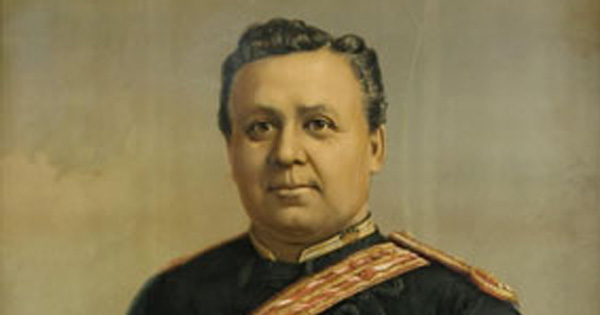
-
Article
Orval Prophet
Orval (William) Prophet. Singer, guitarist, songwriter, b Edwards, near Ottawa, 31 Aug 1922, d there 4 Jan 1984.
"https://thecanadianencyclopedia.ca/images/tce_placeholder.jpg?v=e9dca980c9bdb3aa11e832e7ea94f5d9" // resources/views/front/categories/view.blade.php
https://thecanadianencyclopedia.ca/images/tce_placeholder.jpg?v=e9dca980c9bdb3aa11e832e7ea94f5d9
