Browse "Communities & Sociology"
-
Article
Ferdinand Larose
Ferdinand Alphonse Fortunat Larose, agronomist (born 1 April 1888 in Sarsfield, Ontario; died 29 January 1955 in Montreal, Quebec). Throughout his career, Ferdinand Larose focused on agriculture in the United Counties of Prescott and Russel in Eastern Ontario. He is best known for having created the vast Larose Forest in a part of the counties which had become arid after intensive deforestation in the 19th century. The agronomist was also a leader for Franco-Ontarian cultivators. He chaired several cultivator associations and promoted agricultural training for Franco-Ontarians.
"https://d3d0lqu00lnqvz.cloudfront.net/media/new_article_images/FerdinandLarose/Ferdinand_Larose.png" // resources/views/front/categories/view.blade.php
https://d3d0lqu00lnqvz.cloudfront.net/media/new_article_images/FerdinandLarose/Ferdinand_Larose.png
-
Article
Fernand Dumont
Fernand Dumont, sociologist, philosopher, theologian and poet (b at Montmorency, Que., June 24, 1927; d at Québec, May 1, 1997). Dumont is considered one of the most prominent intellectuals Quebec has ever produced.
"https://thecanadianencyclopedia.ca/images/tce_placeholder.jpg?v=e9dca980c9bdb3aa11e832e7ea94f5d9" // resources/views/front/categories/view.blade.php
https://thecanadianencyclopedia.ca/images/tce_placeholder.jpg?v=e9dca980c9bdb3aa11e832e7ea94f5d9
-
Article
Finnish Canadians
Between 1835 and 1865, several hundred immigrants from Finland settled in Alaska (which was part of Russia at that time). Many moved down the coast to British Columbia (see Sointula). Some early Finnish immigrants to Ontario worked on the construction of the first Welland Canal, which was completed in 1829. The 2021 census reported 144,055 people of Finnish origin in Canada.
"https://d3d0lqu00lnqvz.cloudfront.net/media/new_article_images/FinnishCanadians/Finnish_immigrants_in_Rouyn,_Quebec,_Canada,_1926.png" // resources/views/front/categories/view.blade.php
https://d3d0lqu00lnqvz.cloudfront.net/media/new_article_images/FinnishCanadians/Finnish_immigrants_in_Rouyn,_Quebec,_Canada,_1926.png
-
Article
First Nations Bank of Canada
First Nations Bank of Canada (FNBC) is a Canadian chartered bank. Established in 1996 as a partnership between Saskatchewan Indian Equity Foundation (SIEF)—now Saskatchewan Indigenous Enterprise Foundation—and TD Bank, it is currently majority controlled by Indigenous shareholders. According to its mission statement, FNBC “exists to advance Indigenous prosperity and self-determination by delivering trusted, purpose-driven financial services, rooted in relationship, guided by culture and committed to long-term economic reconciliation.” (See also Reconciliation in Canada; Economic Conditions of Indigenous Peoples in Canada.)
"https://d3d0lqu00lnqvz.cloudfront.net/firstnationsbankofcanada/fnbcwebsite.jpg" // resources/views/front/categories/view.blade.php
https://d3d0lqu00lnqvz.cloudfront.net/firstnationsbankofcanada/fnbcwebsite.jpg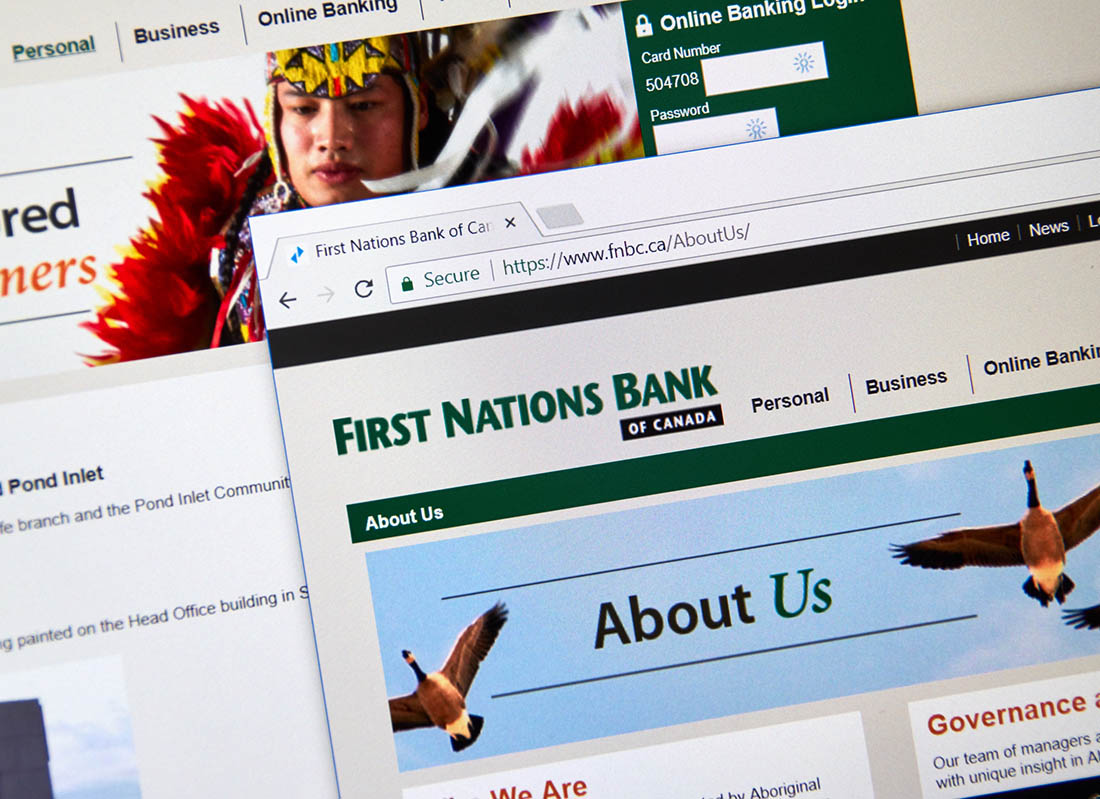
-
List
First Nations in British Columbia
There are 203 First Nations in British Columbia. First Nation is one of three groupings of Indigenous people in Canada, the other two being Métis and Inuit. Unlike Métis and Inuit, First Nations may hold reserve lands, and members of a First Nation can live both on and off these reserves. While the term First Nation can describe a large ethnic grouping (e.g. the Dene Nation), in other cases it is synonymous with the term band, a word originally chosen by the federal government and used in the Indian Act. The word band describes smaller communities, such as the ones listed below. Many First Nations prefer the term First Nation over band. In terms of larger ethnic groupings, First Nations in British Columbia are part of the Coast Salish, Dakelh, Dene, Haida, Kaska Dena, Ktunaxa, Nisga’a, Nlaka’pamux, Okanagan, Secwepemc, Sekani, Stl’atl’imx, Sto:lo, Tahltan, Tlingit, Tsilhqot’in, Tsimshian and Wet’suwet’en.
"https://d3d0lqu00lnqvz.cloudfront.net/media/media/e3bcb984-16ff-4f24-ac3d-1794f2fa51f5.JPG" // resources/views/front/categories/view.blade.php
https://d3d0lqu00lnqvz.cloudfront.net/media/media/e3bcb984-16ff-4f24-ac3d-1794f2fa51f5.JPG
-
Article
Florence Davidson
Florence Edenshaw Davidson, Haida Elder, artist (born 15 September 1896 in Masset, Haida Gwaii, BC; died 13 December 1993 in Masset). Elder Florence Davidson was a renowned weaver and she made Haida baskets and button blankets (see also Northwest Coast Indigenous Art).
"https://thecanadianencyclopedia.ca/images/tce_placeholder.jpg?v=e9dca980c9bdb3aa11e832e7ea94f5d9" // resources/views/front/categories/view.blade.php
https://thecanadianencyclopedia.ca/images/tce_placeholder.jpg?v=e9dca980c9bdb3aa11e832e7ea94f5d9
-
Macleans
Fontaine Elected New Grand Chief
Phil Fontaine had every reason to look haggard and humble as he donned his ornate feathered headdress last week to become the new national chief of the ASSEMBLY OF FIRST NATIONS.This article was originally published in Maclean's Magazine on August 11, 1997
"https://thecanadianencyclopedia.ca/images/tce_placeholder.jpg?v=e9dca980c9bdb3aa11e832e7ea94f5d9" // resources/views/front/categories/view.blade.php
https://thecanadianencyclopedia.ca/images/tce_placeholder.jpg?v=e9dca980c9bdb3aa11e832e7ea94f5d9
-
Article
Francis Marion Beynon
Francis (née Frances) Marion Beynon, journalist, novelist, suffragist (born 26 May 1884 in Streetsville, ON; died 5 October 1951 in Winnipeg, MB). Francis Marion Beynon has been noted for her courage as a pacifist, her outspoken anti-religious views and her anti-racism.
"https://d3d0lqu00lnqvz.cloudfront.net/media/media/2a82be4c-c839-43a2-9ba1-6e2317d87639.jpg" // resources/views/front/categories/view.blade.php
https://d3d0lqu00lnqvz.cloudfront.net/media/media/2a82be4c-c839-43a2-9ba1-6e2317d87639.jpg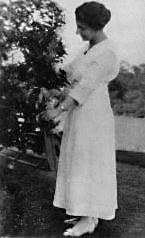
-
Article
Francis Pegahmagabow
Francis “Peggy” Pegahmagabow, Anishinaabe (Ojibwe) chief, Indigenous rights advocate, war hero (born on 9 March 1891 on the Parry Island reserve, ON; died 5 August 1952 at Parry Island, ON). One of the most highly decorated Indigenous people in Canada during the First World War, Pegahmagabow became a vocal advocate for Indigenous rights and self-determination. (See also Indigenous Peoples and the World Wars.)
"https://d3d0lqu00lnqvz.cloudfront.net/Francis Pegahmagabow (2).jpg" // resources/views/front/categories/view.blade.php
https://d3d0lqu00lnqvz.cloudfront.net/Francis Pegahmagabow (2).jpg.jpg)
-
Article
Franco-Americans
Between 1840 and 1930, nearly a million francophones from Canada emigrated to the United States. (See also Canada and United States.) Most emigrants came from Quebec. There were also Acadians from the Atlantic provinces. These emigrants lived throughout the Northern US, but most settled in New England. The largest cohort worked in the textile industry. The 1880s and 1890s were the crest of several waves of emigration that ended with the Great Depression. Also known as Franco-Americans, about two million French Canadian descendants live in New England today.
"https://d3d0lqu00lnqvz.cloudfront.net/media/media/service-pnp-nclc-01700-01784v.jpg" // resources/views/front/categories/view.blade.php
https://d3d0lqu00lnqvz.cloudfront.net/media/media/service-pnp-nclc-01700-01784v.jpg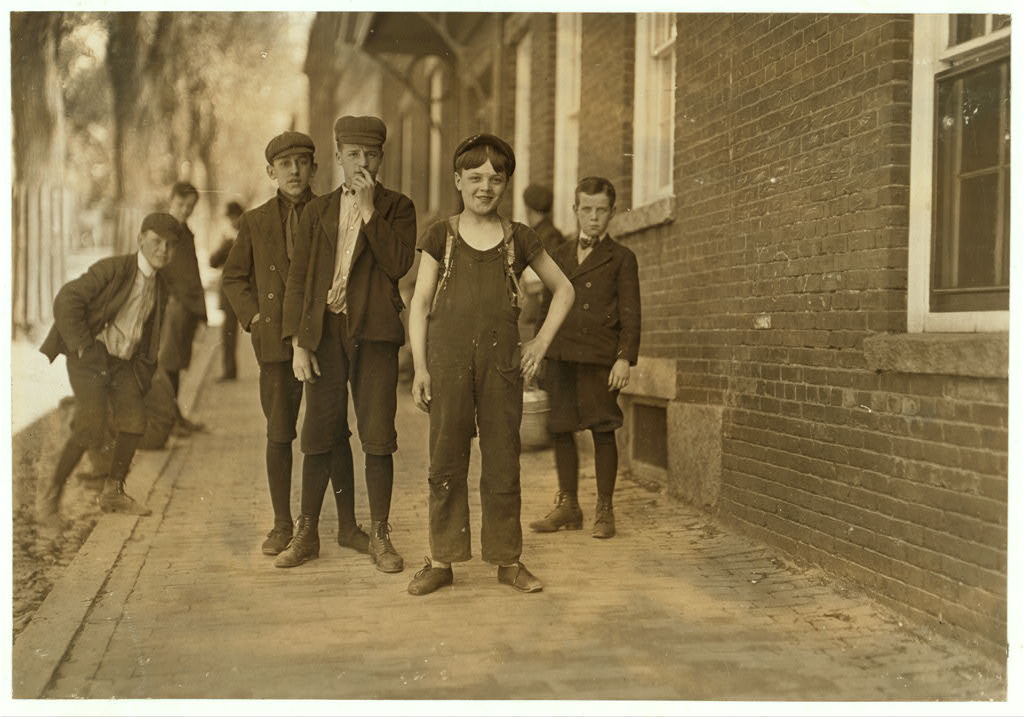
-
Article
François Hertel
François Hertel, pseudonym of Rodolphe Dubé (b at Rivière-Ouelle, Qué 31 May 1905; d at Montréal 4 Oct 1985). At 20 he entered the Jesuits and he was ordained in 1938.
"https://thecanadianencyclopedia.ca/images/tce_placeholder.jpg?v=e9dca980c9bdb3aa11e832e7ea94f5d9" // resources/views/front/categories/view.blade.php
https://thecanadianencyclopedia.ca/images/tce_placeholder.jpg?v=e9dca980c9bdb3aa11e832e7ea94f5d9
-
Article
François Saillant
François Saillant, activist, community worker, politician, author (born 15 June 1951 in Quebec City, QC). Coordinator and spokesperson for the Front d’action populaire en réaménagement urbain (Popular Action Front for Urban Planning) from 1979 to 2016, he was also a candidate for Québec solidaire in three provincial elections. He is the author of three books on the right to housing.
"https://thecanadianencyclopedia.ca/images/tce_placeholder.jpg?v=e9dca980c9bdb3aa11e832e7ea94f5d9" // resources/views/front/categories/view.blade.php
https://thecanadianencyclopedia.ca/images/tce_placeholder.jpg?v=e9dca980c9bdb3aa11e832e7ea94f5d9
-
Article
François-Xavier-Antoine Labelle
An ardent supporter of building the CPR in 1872, he was sent as an envoy to Europe by the Canadian government in 1885 and the Québec government in 1890. In 1888 Premier Honoré MERCIER appointed him deputy minister of agriculture and colonization.
"https://thecanadianencyclopedia.ca/images/tce_placeholder.jpg?v=e9dca980c9bdb3aa11e832e7ea94f5d9" // resources/views/front/categories/view.blade.php
https://thecanadianencyclopedia.ca/images/tce_placeholder.jpg?v=e9dca980c9bdb3aa11e832e7ea94f5d9
-
Article
François-Xavier Garneau
He excelled in primary school, but lack of money apparently barred his way to a classical education. His self-education and natural reserve explain the "proud independence" which impressed his contemporaries.
"https://d3d0lqu00lnqvz.cloudfront.net/media/media/a75df73a-e1e0-4b27-ba7a-76631cfc6a0e.jpg" // resources/views/front/categories/view.blade.php
https://d3d0lqu00lnqvz.cloudfront.net/media/media/a75df73a-e1e0-4b27-ba7a-76631cfc6a0e.jpg
-
Article
Françoise-Marie de Saint-Étienne de La Tour
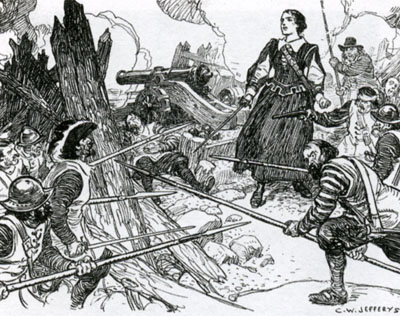
Françoise-Marie de Saint-Étienne de La Tour, née Jacquelin, Acadian heroine (b in France 1602; d at Ft La Tour [NB] 1645). Civil war raged in Acadia in 1640 when she married Charles de Saint-Étienne de LA TOUR, one of 2 claimants to the colony's governorship.
"https://d3d0lqu00lnqvz.cloudfront.net/media/media/4fc6b68c-735c-4311-b452-cbbdfebe9ce7.jpg" // resources/views/front/categories/view.blade.php
https://d3d0lqu00lnqvz.cloudfront.net/media/media/4fc6b68c-735c-4311-b452-cbbdfebe9ce7.jpg