Share on Facebook
 Share on X
 Share by Email
 Share on Google Classroom
Urban forests are found in human-populated areas, largely cities and towns, and support the health and well-being of the urban area. While the definition of urban forests varies, they are generally forested areas, either naturally preserved or constructed, in settings occupied by people. This can be small, treed areas in suburban neighbourhoods or large urban parks that spread throughout a city centre. Urban forestry is the construction and maintenance of urban forests and often involves the planning, planting, conservation, management and care of trees, forests and green spaces in the area.

Terminology
The term “urban forestry” was coined in Canada in the 1960s by Dr. Erik Jorgensen at the University of Toronto. Since then, urban forests have been both cultivated and preserved throughout the entire country. As of 2021, a total of 41 urban forests are found in urban centres across Canada that each house more than 100,000 people, but countless other urban forests can be found in smaller urban centres as well.
Benefits and Impacts
Green spaces in urban settings are known to provide multiple benefits, including climate change mitigation and mental well-being.
When a forest canopy is present in a city, the shade from branches and leaves reduces heat from human activity and hard surfaces like concrete and asphalt (see Urban Heat Island Effect). The water vapour emitted by tree leaves also helps cool the surrounding environment. This, in turn, reduces cooling costs and improves the health of the urban population by reducing the risk of heat stroke.
Since vegetation is a natural carbon sequester, urban forests play a significant role in improving air quality. From absorbing gaseous pollutants like nitrogen, sulphur and carbon dioxide to offsetting greenhouse gas emissions and trapping particles on their leaves, trees can counteract the environmental impacts of large urban centres on the planet.
These forests also offer mental health benefits to citizens. Increased time spent in nature is shown to improve mental well-being, and urban forests create more accessible green spaces for people to enjoy.

Urban Forestry Techniques
To create an effective urban forest, best practices for planning, planting and managing them must be implemented.
One of the most important aspects to consider is the vegetation species planted in an urban forest, since different species vary in their ability to contribute to carbon sequestration and to thrive in specific environments. Proper tree selection considers the environmental suitability, functionality and aesthetic appeal of the tree, as well as many other factors. Planting low-maintenance native trees and promoting a wide variety of species enhances resilience to pests and diseases while increasing biodiversity (see Four Major Insect Pests of Forests in Canada). Prioritizing this can reduce future maintenance costs.
Identifying priority areas — largely heat-prone neighbourhoods and high-traffic areas — can increase the effectiveness of urban forests by reducing atmospheric heat and creating a more comfortable environment for citizens.
Disadvantages and Challenges
One of the most prominent challenges urban forests face is a lack of biodiversity. Many urban forests have an overabundance of relatively few species, leaving them susceptible to infestations by invasive species (see Invasive Species in Canada: Animals; Invasive Species in Canada: Plants). By planting a wide variety of plant species, certain trees that are more resilient to certain diseases can reduce the risk that a disease will take out an entire urban forest. This also allows for a more diverse habitat for animals.
Planting trees in urban areas with hard surfaces like pavement, asphalt and concrete can often restrict vegetation’s root growth and the area's overall impact. Hard surfaces and buildings reduce the amount of adequate space for soil to grow, which limits the effectiveness the urban forest can have on the area. To avoid this, proper planning and management are essential. Methods such as de-pavement, soil aeration and fertilization, and the establishment of root barriers, can help an urban forest thrive.
Examples
Since the definition of an urban forest can range from a small, treed area in a suburban setting to a large, forested park, while some definitions even consider an entire city’s treescape as one urban forest under their management plans, these examples include some of the largest and most prominent urban forests in Canada.
Rouge National Urban Park, Greater Toronto Area
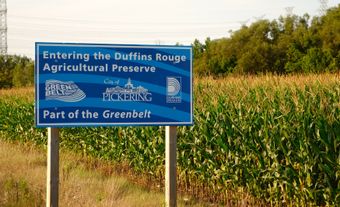
Located in the Greater Toronto Area and spanning 79 km², Rouge National Urban Park is considered one of the largest urban parks in North America and the only national urban park in Canada. It is home to more than 1,000 plant species and hundreds of wildlife species. The park has a natural and Indigenous cultural history dating back more than 10,000 years.
This park provides climate change mitigation, carbon sequestration and migration tracks for birds. It also provides a significant amount of green space for people to enjoy while still being in a city centre. Recreational opportunities like hiking, biking and water activities can be found throughout the park.
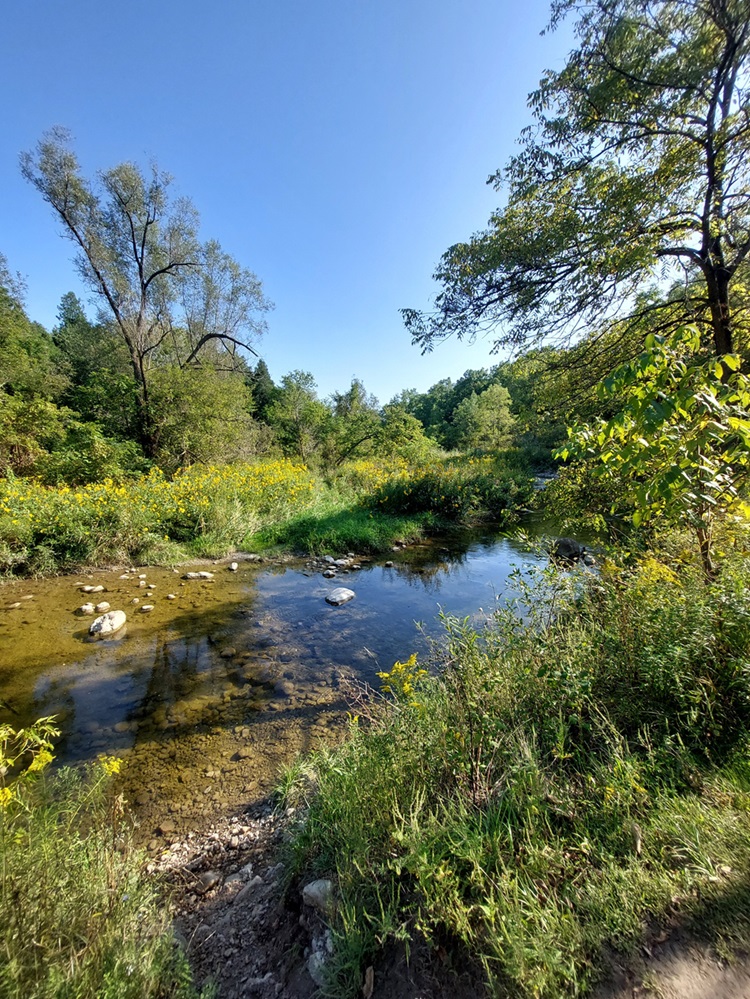
Stanley Park, Vancouver
Stanley Park is Vancouver’s oldest and largest urban park, abundant with coastal rainforest vegetation and wildlife. Covering 400 hectares of land along the Vancouver coastline, the land is home to countless tree species, including old-growth Douglas firs.
The city puts significant effort into maintaining this urban park and identifying threats like wildfire, disease and human interference through the Stanley Park Forest Management Plan. Proper urban forest management allows for old-growth forests like these to thrive beside human activity. Residents and tourists use the park for recreational activities like hiking, biking and water activities.
In 2020, Stanley Park suffered from a hemlock looper moth outbreak, which affected 160,000 trees like the western hemlock, Douglas fir and grand fir. Since western hemlocks are overabundant in Stanley Park and susceptible to this disease, this made the forest less resilient. In response to this, 50,000 seeds from diverse tree species were planted, including western red cedar, Douglas fir, Sitka spruce, grand fir, red alder and Pacific yew. This forest management resulted in a more diverse and resilient ecosystem.

Mount Royal Park, Montreal
Mount Royal Park covers 10 km² of woodlands, wetlands and meadows in Montreal. With over 90 tree species and more than 700 vascular plant species, the urban forest provides habitat for wildlife and recreational opportunities such as hiking and biking for citizens.
This park has been under threat from invasive species like the emerald ash borer since 2011, and many ash trees have been affected by the insect (see Four Major Insect Pests of Forests in Canada). However, due to Mount Royal’s biodiversity, other tree species have greater resistance to the invader. Other threats include extreme weather patterns and reckless human activity.