Share on Facebook
 Share on X
 Share by Email
 Share on Google Classroom
Canada’s wildlife is incredibly diverse, thanks to its vast mix of forests, tundra, mountains and coastlines. The country is known for iconic species like the beaver, moose, beluga whale, arctic fox and lynx, but some of its lesser-known residents are just as fascinating. Here are eight unusual animals that roam or wriggle through Canada’s wild landscapes.
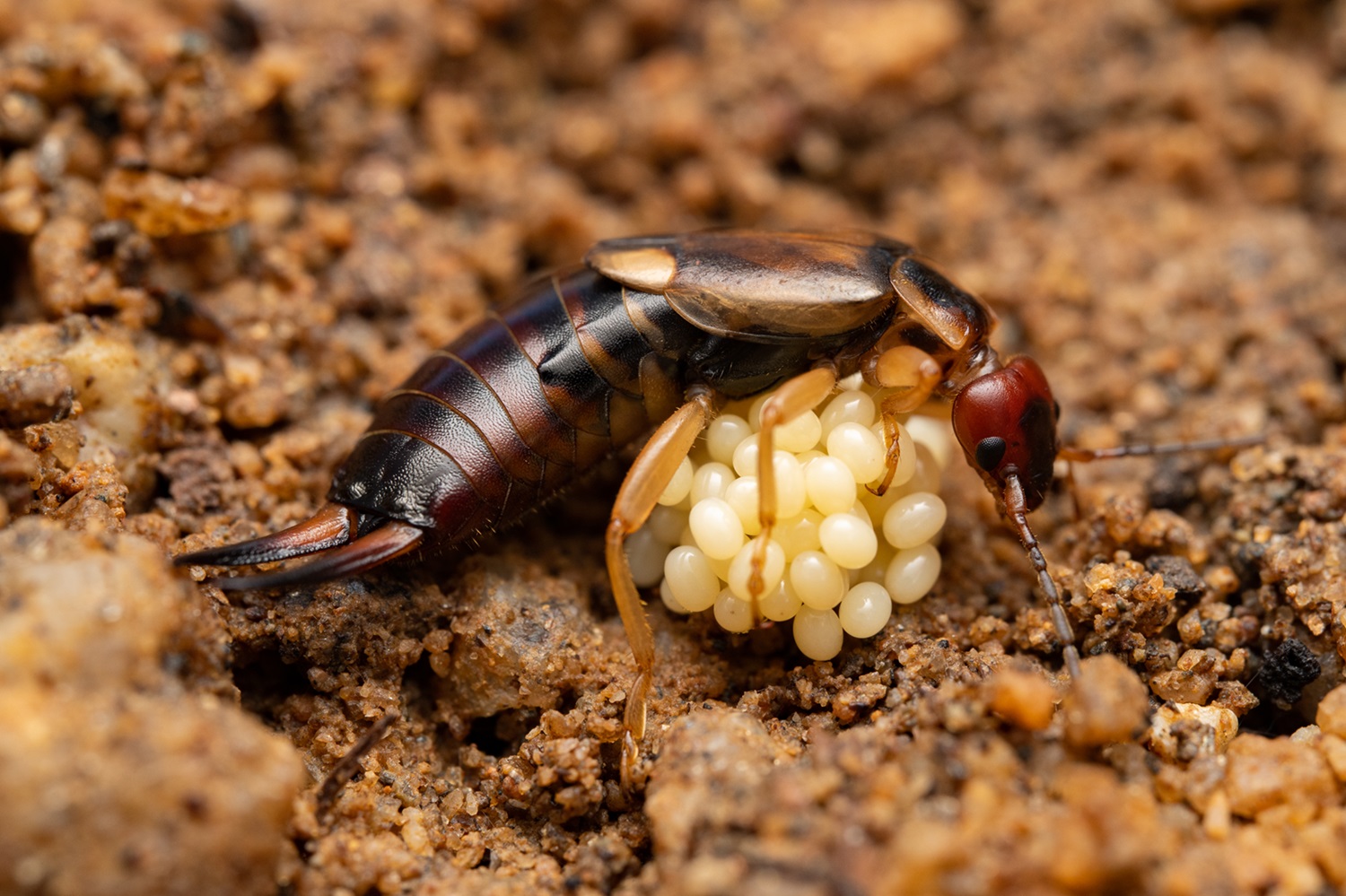
Earwig
Many people misunderstand the earwig, mistaking its pincers on its back for stingers. In reality, the pincers are used for defence, mating and folding its wings. In Canada, earwigs are most common in coastal and southern inland regions where the climate is mild and damp. During the day, an earwig hides under stones, leaves, logs and bark. At night, it comes out to scavenge or hunt small insects. Omnivorous and adaptable, earwigs also serve as a food source for many other animals.
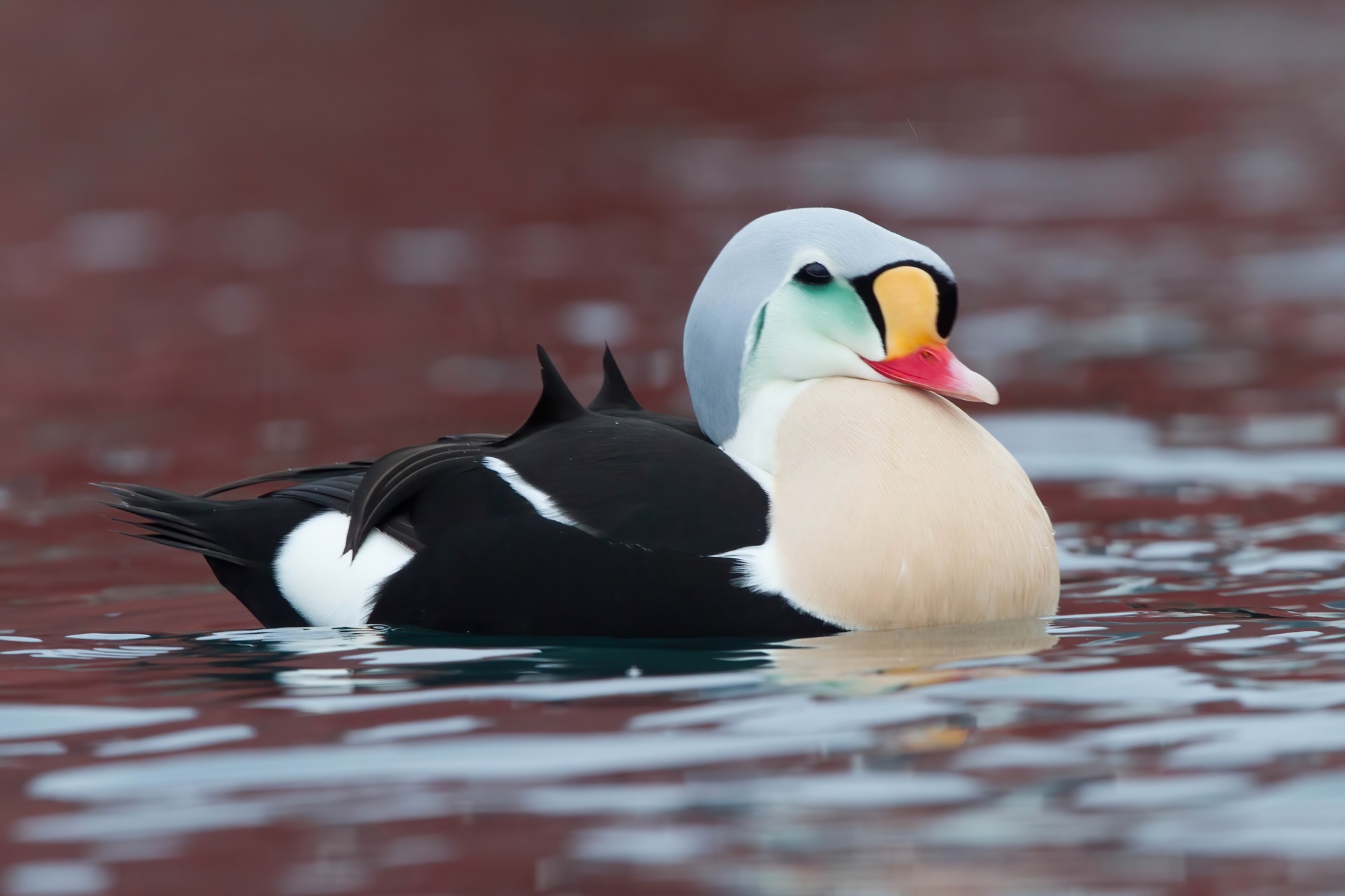
King Eider
The king eider (Somateria spectabilis) is a large and striking sea duck found throughout the Arctic. The males have an orange crown-shaped bump on their bills. Each June and July, the species migrates to the tundra to breed. For most of the year, it dives to the ocean floor to feed on invertebrates. During breeding season, it also eats king crabs, sea urchins, starfish and sea anemones.
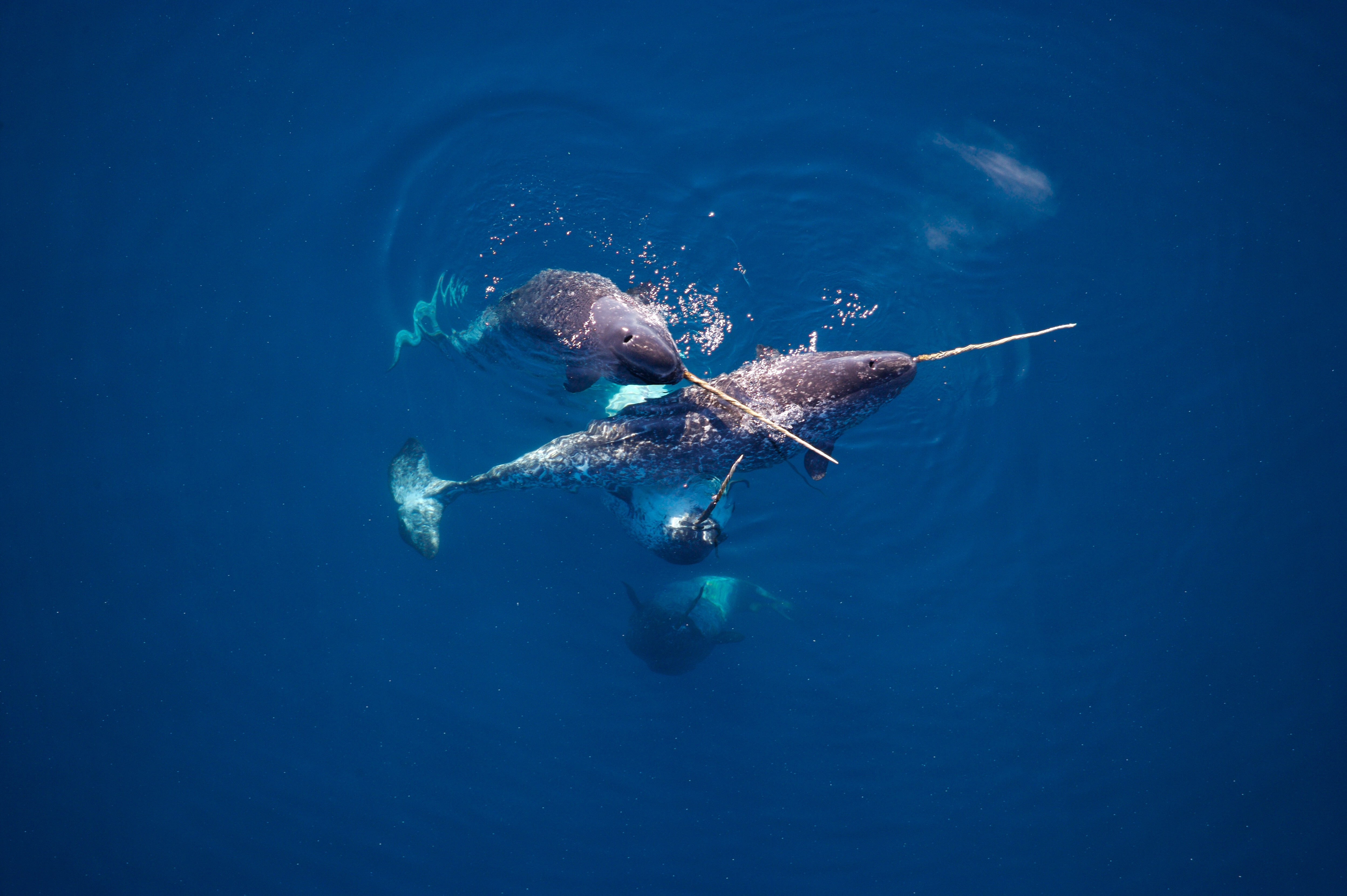
Narwhal
Often nicknamed the “unicorn of the sea,” the narwhal (Monodon monoceros) is known for its long, spiral tusk, usually found on adult males. This whale lives in the icy Arctic waters of Baffin Bay, Hudson Bay and the Arctic Archipelago. It dives deep to hunt turbot, arctic cod, squid and shrimp. In summer, it tends to stay near ice edges where food is abundant. Unfortunately, shifting ice patterns and increasing ship traffic are putting pressure on their habitat, making conservation efforts more challenging.
Northern Walkingstick
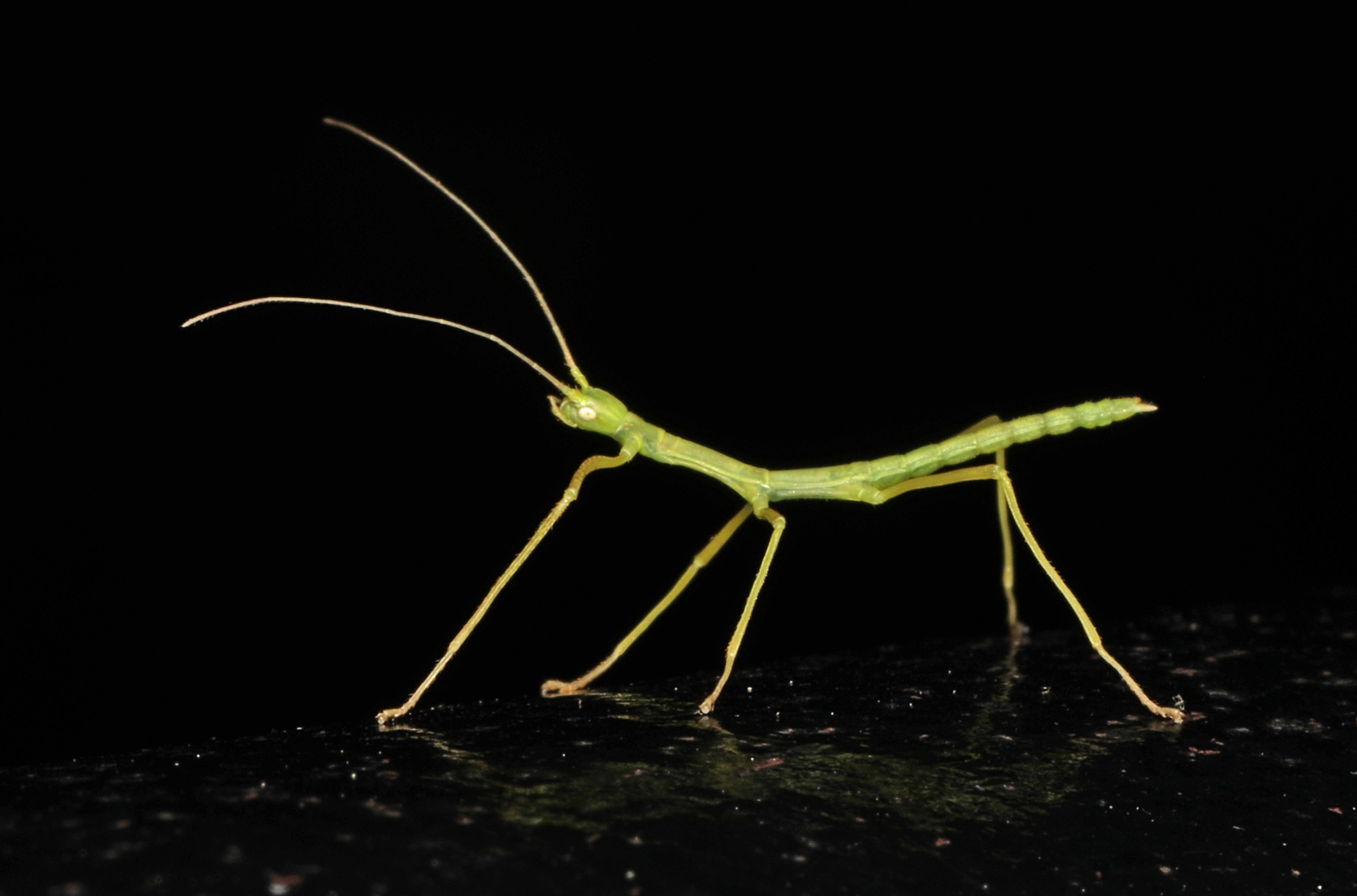
Canada has only one native stick insect, the northern walkingstick (Diapheromera femorata). It blends perfectly into deciduous forests in southern Ontario and Quebec by mimicking twigs and leaves. Its brown or green body makes it nearly invisible during the day. At night, it feeds on oak, cherry and other hardwood leaves while staying out of sight of predators.
Sooty Grouse
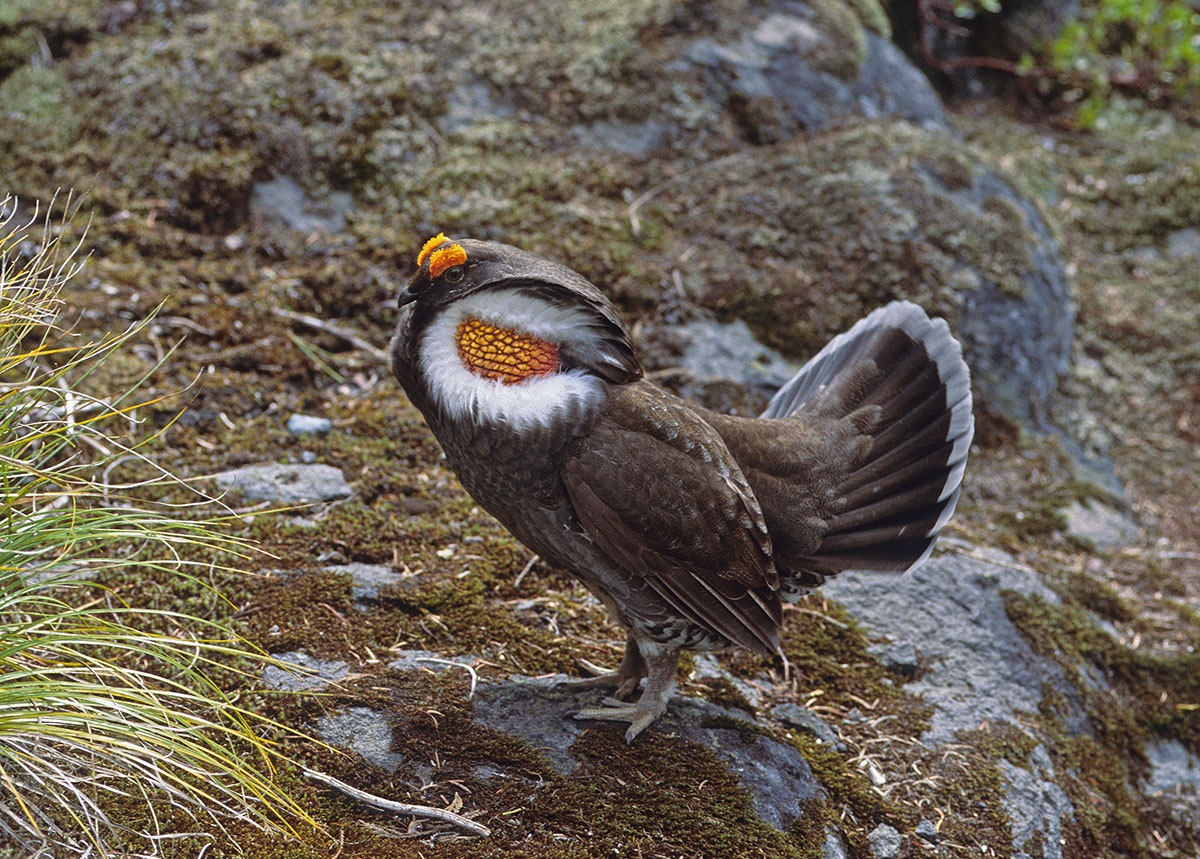
The sooty grouse (Dendragapus fuliginosus) is a forest-dwelling grouse native to the Pacific Coast Ranges (the mountainous western edge of British Columbia). Unlike most birds, the sooty grouse doesn’t migrate south in the winter; it stays in denser forest areas. Its diet consists of foraging on the ground or in trees in the winter. As with many birds, the sooty grouse also ingests grit and tiny stones to help it grind up its food. In the spring, its diet consists of berries, leaves and flowers. In the summer, its diet consists of green plants, berries and insects (particularly ants, beetles and grasshoppers). In the winter, its diet consists of foraging for fir needles, as well as hemlocks and pine needles.
Did you know?
Vancouver’s Grouse Mountain received its name from the blue grouse, which is a close relative of the sooty grouse.
Spiny Softshell Turtle
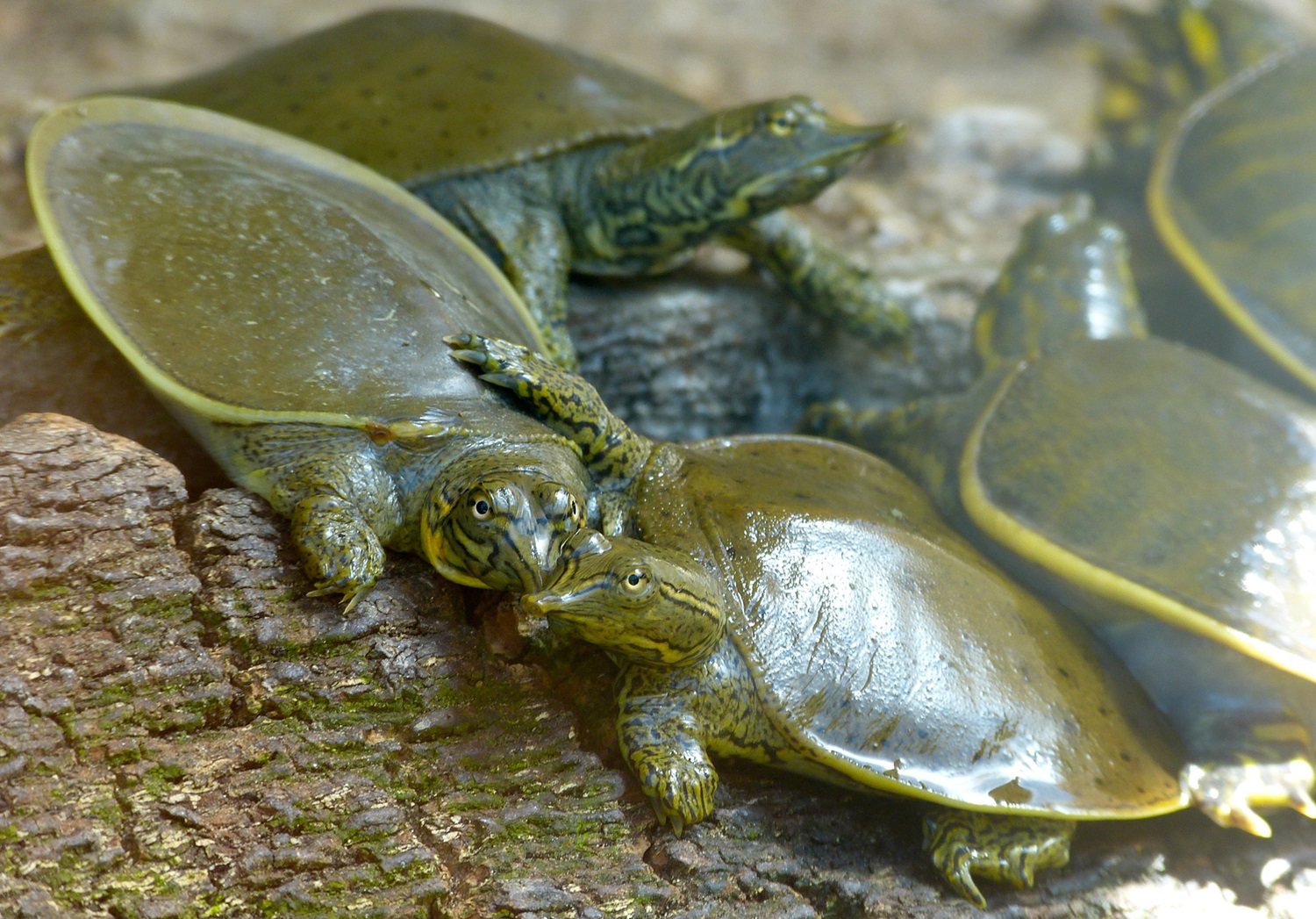
This unusual turtle stands out because its shell is not hard. It is soft and rubbery, which helps it glide quickly through water. Found in lakes, rivers, creeks and ponds, the spiny softshell turtle (Apalone spinifera) spends much of its time underwater searching for crayfish, insects, fish, algae and mussels. It is a clever hunter too, sometimes burying itself in sand to ambush passing prey.
Star-Nosed Mole
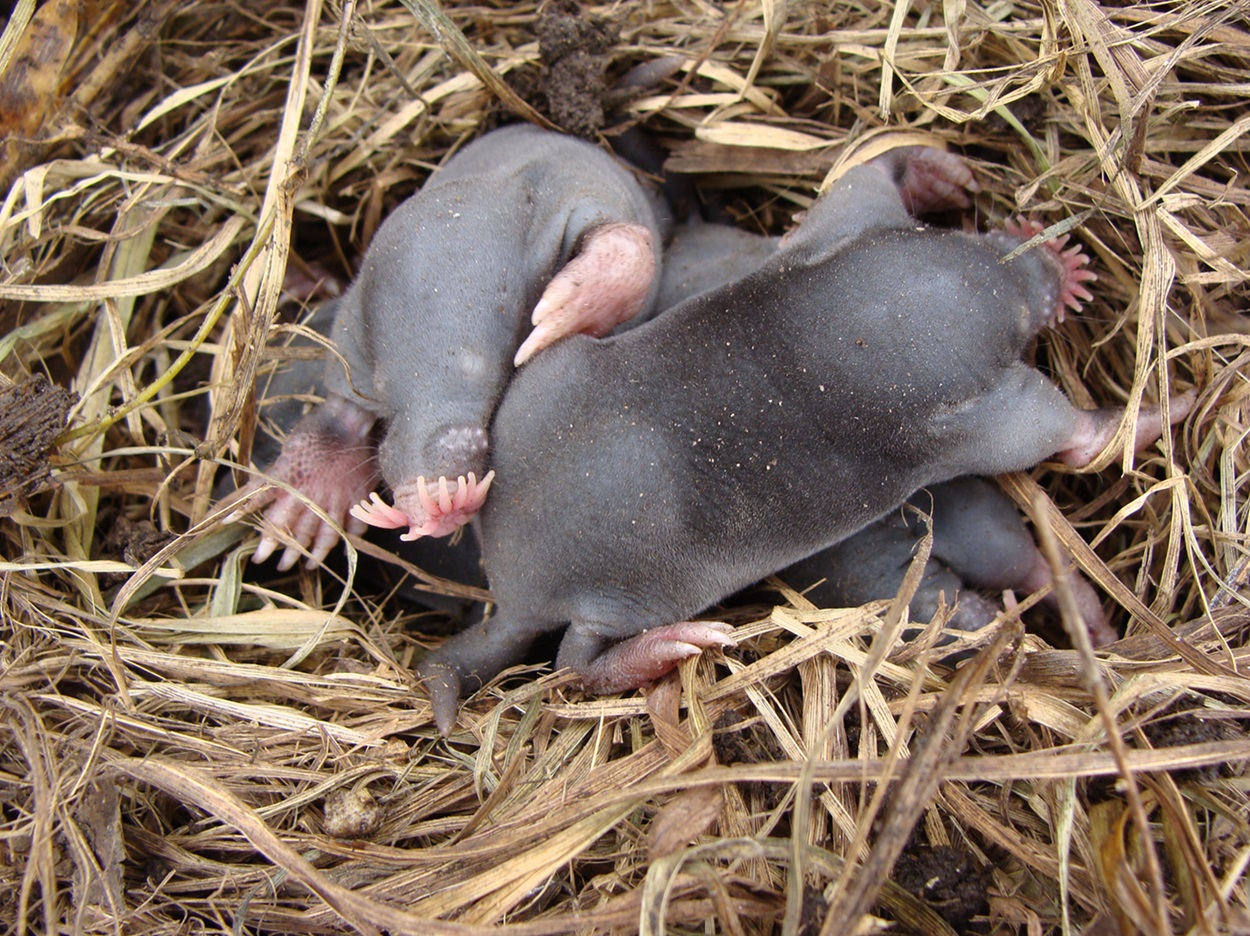
The star-nosed mole (Condylura cristata) is a semiaquatic mole that resides primarily in eastern Canada (Ontario, southern Quebec and possibly New Brunswick). Its habitat is moist, low-elevation areas (marshes, wetlands and streams). The star-nosed mole gets its name from the 22 rays on its nose (11 on each side), which it uses to feel around the world and hunt for prey in the dark. It feeds on the larvae of caddisflies, midges, dragonflies and other insects. Its diet also includes earthworms, leeches, mollusks, aquatic crustaceans and small amphibians and fish.
Did you know?
In 2005, Guinness World Records named the star-nosed mole the fastest-eating mammal. It can decide whether something is food in just eight milliseconds and then capture and swallow it in under a quarter of a second.
Wolverine
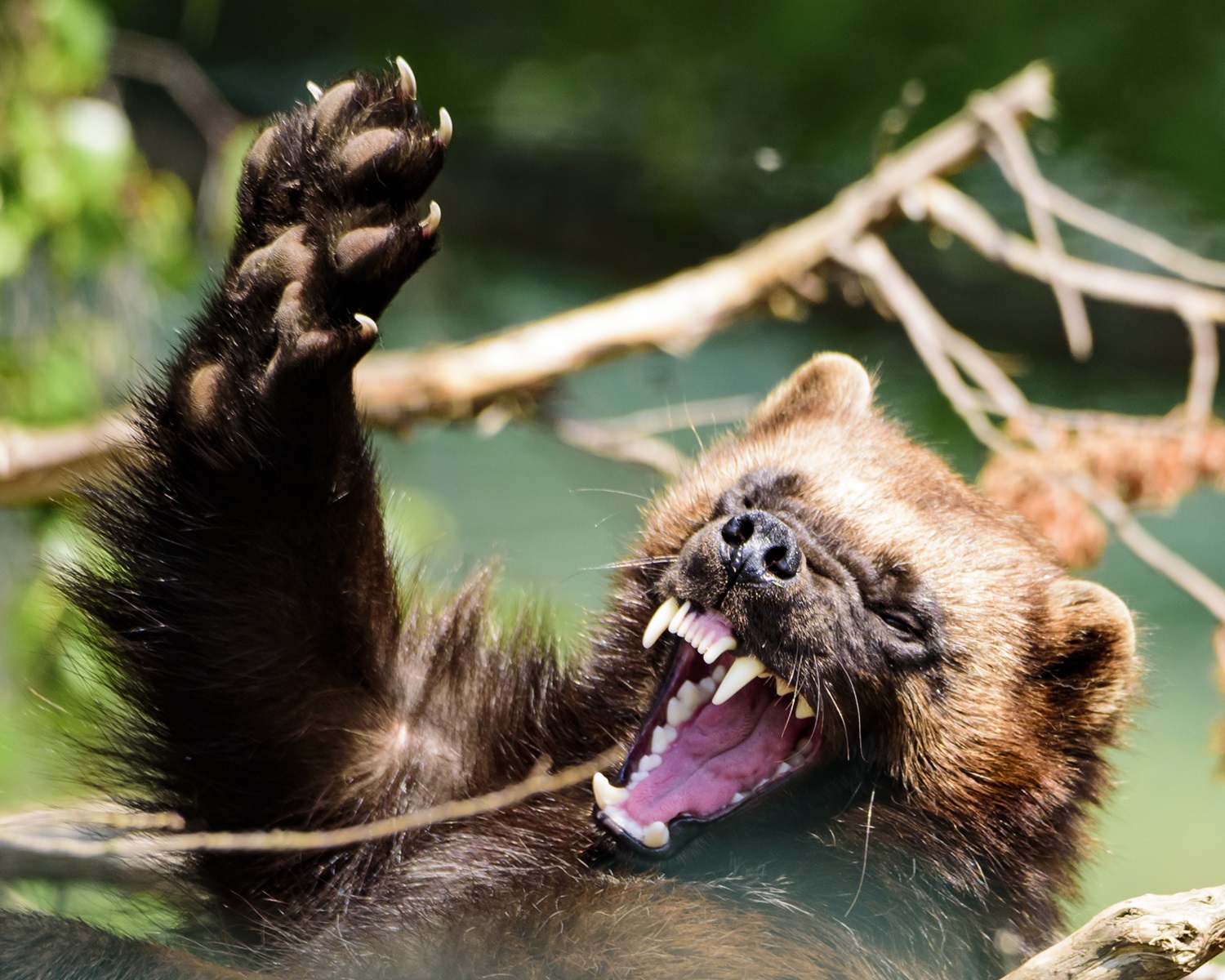
The wolverine, also called the carcajou (Gulo gulo), is the most prominent member of the weasel family and looks like a tiny, muscular bear. This fiercely independent species lives mostly alone in the arctic, boreal forests, and alpine regions of northern Canada. Its thick fur and strong build help it survive harsh winters. A wolverine is a scavenger by nature, feeding on carcasses it finds or steals from other predators, especially during the colder months.