
 Share on Facebook
 Share on X
 Share by Email
 Share on Google Classroom
Taquliituq (also known as Tookoolito or Hannah), Inuit translator, guide (born in 1838 near Cumberland Sound, NU; died 31 December 1876 in Groton, Connecticut). Taqulittuq and her husband, Ipirvik (also known as Ebierbing), were well-known Inuit explorers of the 19th century who significantly contributed to non-Inuit knowledge of the North. They served as guides and translators to American explorer Charles Francis Hall. The Government of Canada recognized Taqulittuq and Ipirvik as National Historic Persons in 1981.
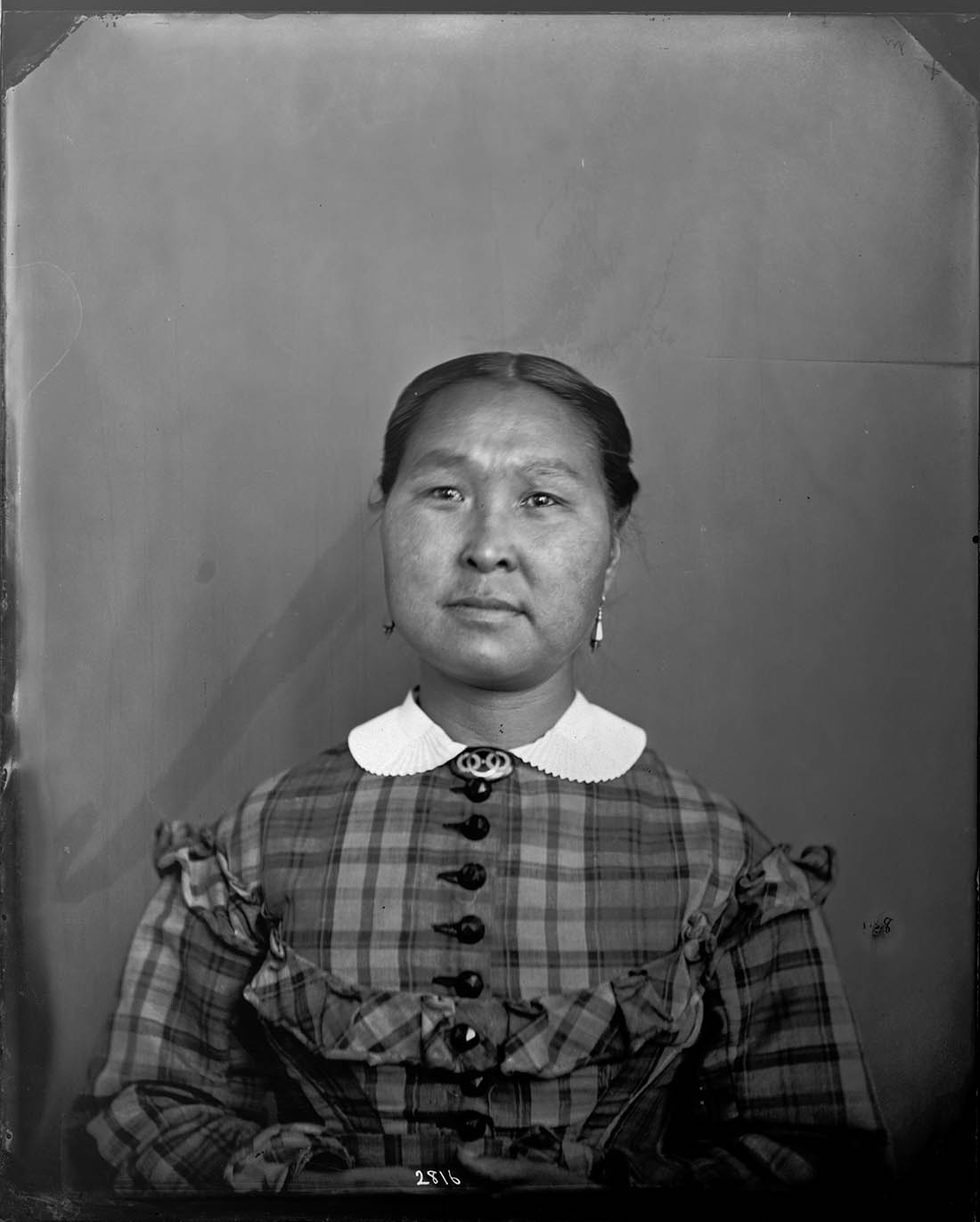
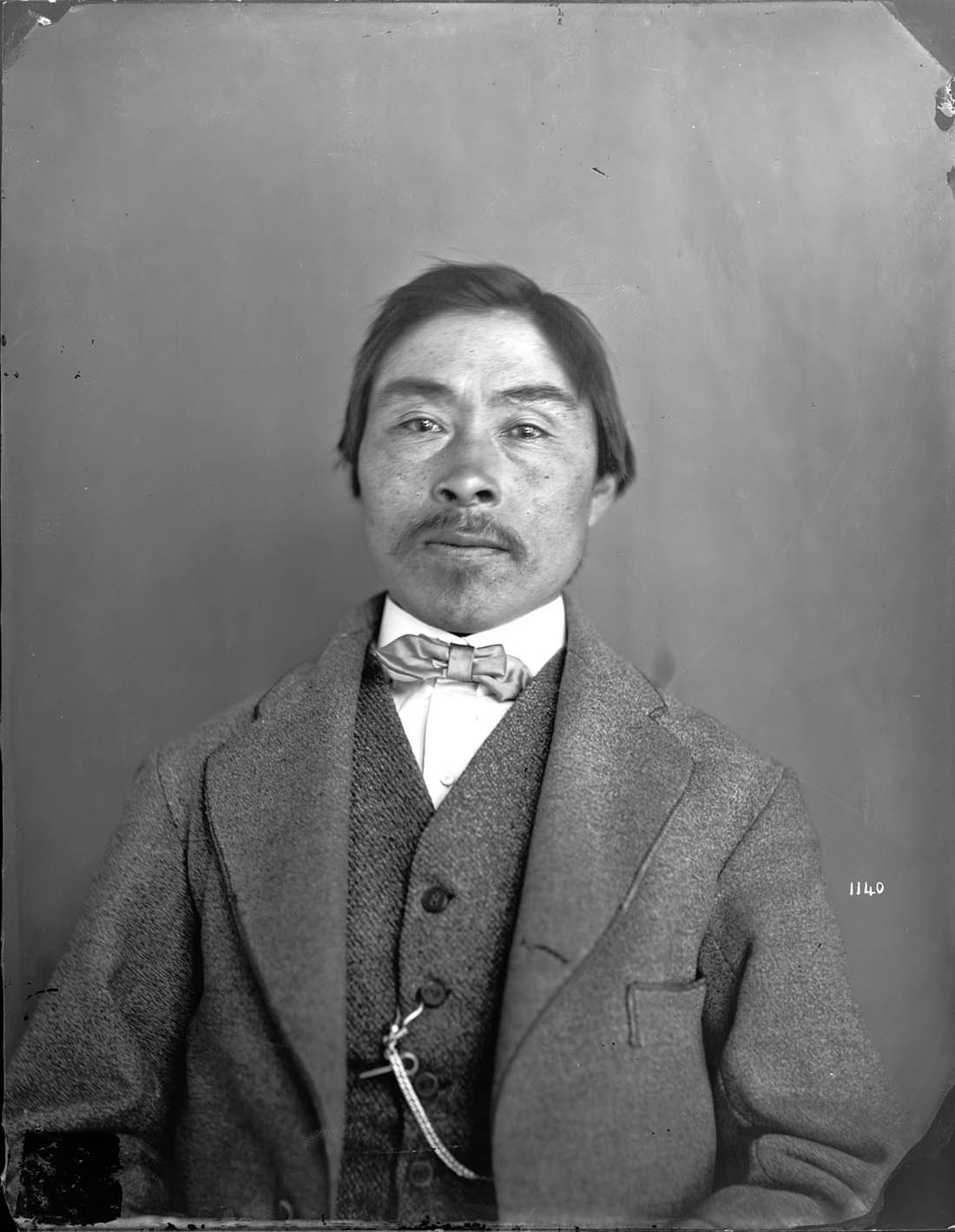
Early Life
Born near Cumberland Sound in present-day Nunavut, Taqulittuq became known for her talents during the mid-1800s as an Inuit interpreter and advisor to whalers and explorers. Her brother, Eenoolooapik, also gained popularity as an Inuit guide.
Wed as teenagers, Taqulittuq and her husband, Ipirvik, travelled together until shortly before Taqulittuq’s death in 1876.
Travels with Thomas Bowlby
Taqulittuq and Ipirvik first worked as guides for Englishman Thomas Bowlby. In 1853, Bowlby took the couple with him back to England. Like many Indigenous peoples of the time, the couple were put on display in various exhibits as “exotic” peoples of the New World. Taqulittuq and her husband caused quite the sensation among locals, and they even attracted the attention of Queen Victoria, who received them at Windsor Castle.
Taqulittuq learned to speak English fluently while in England. While Taqulittuq adopted English customs and ways of life — such as drinking tea and wearing English clothing — she still maintained her Inuit culture. After approximately two years in Bowlby’s service, Captain William Penny returned Taqulittuq and Ipirvik to Baffin Island.
DID YOU KNOW?
Belgian pianist Auguste Dupont composed the “Tickalicktoo Polka” to honour Taqulittuq and Ipirvik’s visit to Windsor Castle. The only surviving copy of the sheet music rests in The British Library in London.
Work with Charles Francis Hall
In the fall of 1860, Taqulittuq met American explorer Charles Francis Hall. He was looking for Inuit guides to help him locate the remains of Sir John Franklin. Impressed with the pair, he saw Taqulittuq and Ipirvik as promising travelling companions. For over 10 years, the three of them conducted three expeditions together.
During Hall’s first expedition (1860–62), Taqulittuq and Ipirvik guided Hall through Frobisher Bay. Towards the end of the expedition, Taqulittuq gave birth to her first child (a boy).
The couple then accompanied Hall back to the United States, where they were exhibited at Barnum’s American Museum, Boston’s Aquarial Gardens and at Hall’s lectures to generate funding for the next expedition. Sometime during these appearances, Taqulittuq and her child became ill. In the spring of 1863, the child died. The death has been attributed to the frequent exhibition of the family. Tarralikitaq was buried in Groton, Connecticut, a place that became a home away from home for Taqulittuq and Ipirvik.
On Hall’s second expedition (1864–69), he, Taqulittuq, Ipirvik and other explorers travelled to Naujaat (Repulse Bay), searching for clues to the fate of Sir John Franklin and his lost expedition. (See also Franklin Search.) The expedition was ultimately a failure; Hall only found some skeletal remains and objects once belonging to the Franklin crew.
Sometime during their travels, Taqulittuq had a second son, known only as King William (presumably after King William Island — the destination of the expedition). The infant died during the expedition. Sometime after, Taqulittuq and Ipirvik adopted a daughter. They returned to the United States with Hall after the expedition and lived in a home in Groton.
After a couple of years living in the United States, Taqulittuq and Ipirvik joined Hall on what would be his last Arctic expedition (1871–72). Known as the Polaris expedition (named after the ship they were on), Hall attempted to reach the North Pole. Hall died not long after, allegedly poisoned by a member of the expedition.
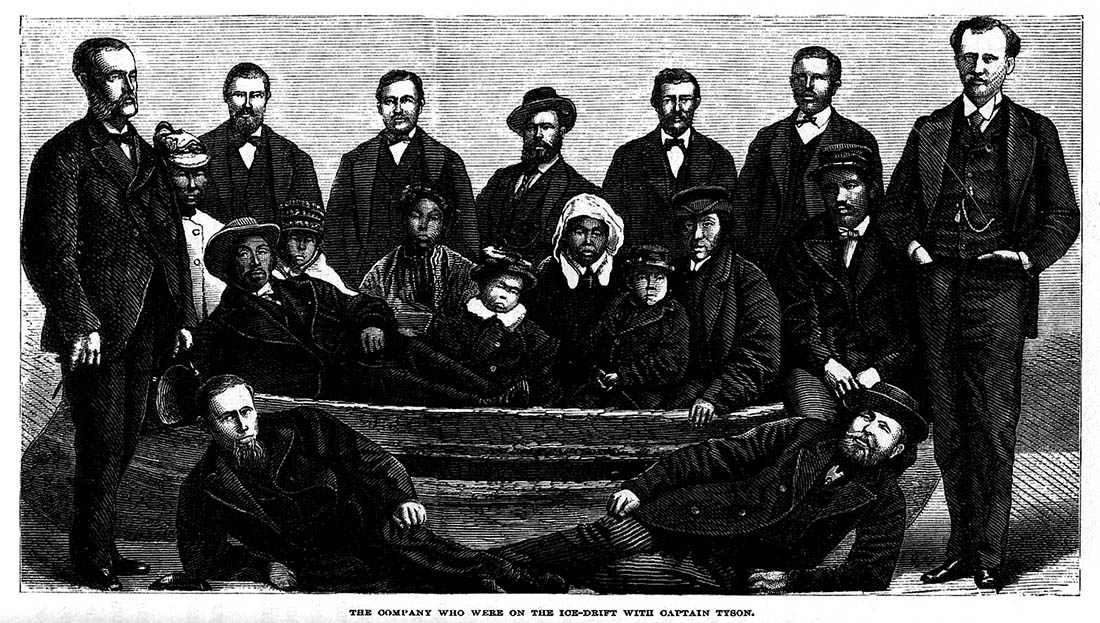
The expedition continued, though their morale had now deteriorated. During an ice storm in 1872 or 1873, the captain of the Polaris, Sidney Buddington, ordered the abandonment of the ship, which was anchored to an ice floe in Smith Sound. Many of the ship’s crew, including Ipirvik, Taqulittuq and their daughter were left marooned for six months. The castaways drifted about 2,000 km south and, having survived the ordeal thanks to the hunting skill of Ipirvik and another Inuk, were eventually rescued off Labrador by a sealer. The health of Taqulittuq’s daughter was compromised during this time; she died in 1875.
DID YOU KNOW?
Some geographic locations have been named in honour of Taqulittuq and her family, including Ebierbing Bay and Tookoolito Inlet (near Cornelius Grinnell Bay). Butterfly Bay (Tukeliketa Bay) is found south of Tookoolito Inlet. Ipirvik’s grandmother, who assisted Hall in his first expedition, had an island named after her — Ookijoxy Ninoo Island (now Shepard Island).
Death
Only 38 years old, Taqulittuq died in 1876 at her home in Groton. She was laid to rest in the Starr Burying Ground, in Connecticut, along with her children.
After Taqulittuq’s death, Ipirvik accompanied the American Eothen expedition in 1878 to find the Northwest Passage. Ipirvik remained in the Arctic afterwards and died sometime thereafter, possibly around 1881. Although Ipirvik never went back to Groton, his name is inscribed on Taqulittuq’s grave marker there.
Significance
Taqulittuq was an adventurous and intelligent woman who, along with Ipirvik, contributed significantly to various Arctic explorations. Taqulittuq helped Hall and others to survive in the Arctic, to communicate with Inuit and to learn more about Canada’s North.
.jpg)