Share on Facebook
 Share on X
 Share by Email
 Share on Google Classroom
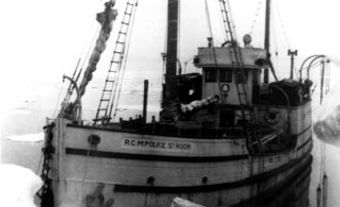
The St. Roch was built in 1928 as an Arctic supply and patrol vessel for the Royal Canadian Mounted Police (RCMP). In 1942, it became the first ship to traverse the Northwest Passage from west to east. In 1944, the St. Roch returned to Vancouver in 86 days, becoming the first to navigate the Northwest Passage in a single season. In 1950, it became the first ship to circumnavigate North America. The voyages of the St. Roch demonstrated Canadian sovereignty in the Arctic. The ship was declared a national historic site in 1962.
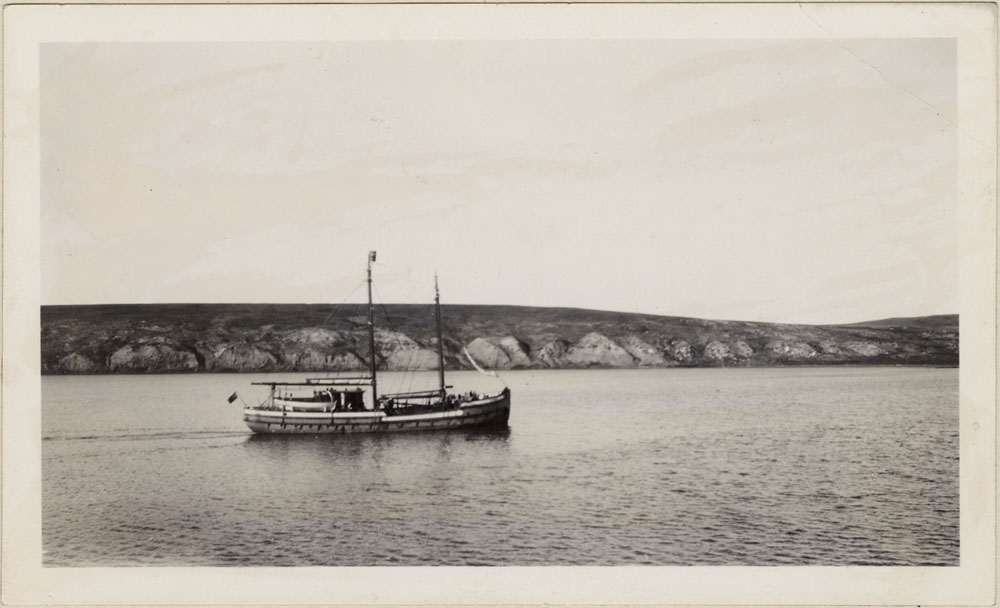
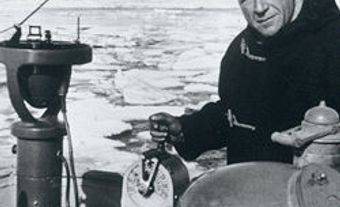
The St. Roch, a wooden schooner powered by sails and an auxiliary engine, launched in North Vancouver in April 1928 for RCMP operations in the Arctic. Under the command of Sergeant Henry A. Larsen, it sailed 23 June 1940 from Vancouver to traverse the Northwest Passage.
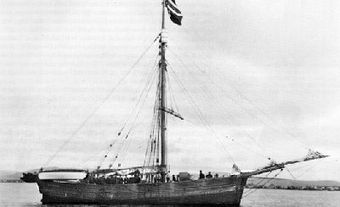
Taking a treacherous southerly route through the arctic islands, it was trapped in the ice for two winters and did not reach Halifax until 11 October 1942. It was the second vessel, after Roald Amundsen’s Gjoa, to traverse the Northwest Passage, and the first to make the voyage west to east.
The St. Roch returned to Vancouver by a more northerly route, through Lancaster Sound and Barrow Strait, in only 86 days (22 July to 16 October 1944). This voyage made it the first vessel to negotiate the passage both ways. The exploits of the St. Roch strengthened Canadian Arctic Sovereignty.

In 1950 the St. Roch made a southern voyage through the Panama Canal to Halifax and thus became the first ship to circumnavigate North America. It was purchased by the city of Vancouver in 1954 and permanently berthed at the Maritime Museum. The federal government declared the St. Roch a national historic site in 1962.