Share on Facebook
 Share on X
 Share by Email
 Share on Google Classroom
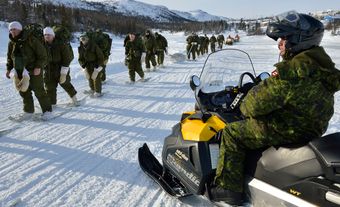
Operation Nanook is the Canadian Armed Forces’ major annual northern operation. It consists of a series of wide-ranging events intended to practice the defence of Canada and secure the country’s northern areas. Operation Nanook occurs across the North in Yukon, the Northwest Territories, Nunavut and Labrador and includes as many as six deployments during the year.
Background
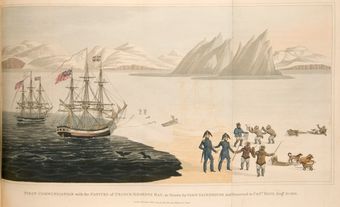
As the Arctic becomes more accessible due to the melting of permanent sea ice, a number of international state and commercial organizations have become more interested in the region. Large reserves of minerals and fossil fuels have added to this awareness. Taken together, these factors are likely to result in more activity in such areas as commerce, research and tourism, among other possibilities.
Such increases in various activities make it incumbent on Canada to be prepared to react to new safety and security concerns. This includes search and rescue missions, human-made and natural environmental disaster response and reaction to sovereignty incursions (see also The Canadian Armed Forces and Natural Disasters).
Operation Nanook commenced as an annual northern exercise in 2007 and originally consisted of one major activity each year. In 2018, Nanook was divided into four separate components, which were conducted in different communities throughout the year.
Aim
Operation Nanook strengthens the Canadian Armed Forces’ (CAF) knowledge of the north, permits them to work closely with other Arctic nations and important allies and bolsters their close relationship with local, territorial and federal groups. Additionally, training in the North sharpens the CAF’s capability to work in demanding surroundings that need distinctive skills and local knowledge, as well as equipment and support facilities that can function in the severe climactic environment of the North.
Did you know?
“Nanook” means “polar bear” in Inuktut, the language of Inuit (see Inuktitut). The word became popularized after the release of the classic 1922 documentary film, Nanook of the North, made by Robert J. Flaherty. This silent black-and-white film follows Nanook and his family and their endless challenge to survive daily life in the harsh conditions of the North. Although many of the scenes were staged, the film has stood the test of time. In a 2014 poll, it was voted the seventh greatest documentary film of all time.
Components
Today, the four previous components have been expanded to six separately named exercises:
Operation Nanook-Nunalivut (“our land”) highlights the CAF’s ability to move and sustain forces in the high Arctic in the most severe situations. It also provides opportunities to assess new capabilities and interoperability with allied nations.
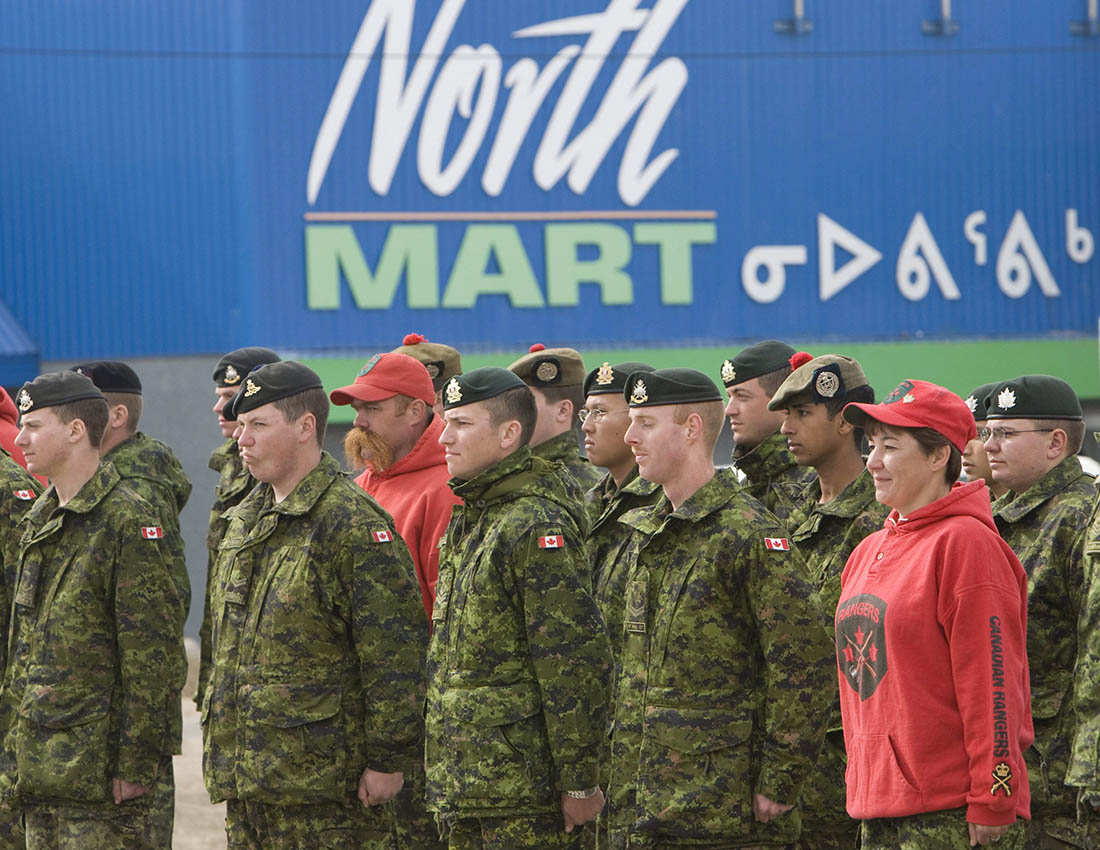
Operation Nanook-Takuniq (“seeing”) began in 2025 as a concept development exercise. Its purpose is to improve the ability of the Canadian Rangers to act as the country’s eyes and ears in the North and to integrate them with other organizations and capabilities, especially sensor and surveillance platforms.
Operation Nanook-Nunakput (“our land”) concentrates on growing Canada’s presence and surveillance in the Canadian Arctic archipelago during the annual summer sailing season in conjunction with other partners.
Operation Nanook-Tuugaalik (“narwhal”) highlights the ability of the Royal Canadian Navy to sail in the North and carry out surveillance with partners and allies.
Operation Nanook-Tatigiit (“faithful”) is a disaster response exercise involving a whole-of-government approach. It strengthens the ability of Canadian and international Arctic partners to react to northern security challenges and crises.
Operation Nanook-Qimaavivut (“our shelter”) concentrates on improving the CAF’s ability to function in the North using joint engineer support to enhance movement and survivability in far-flung, severe environments.
Participants
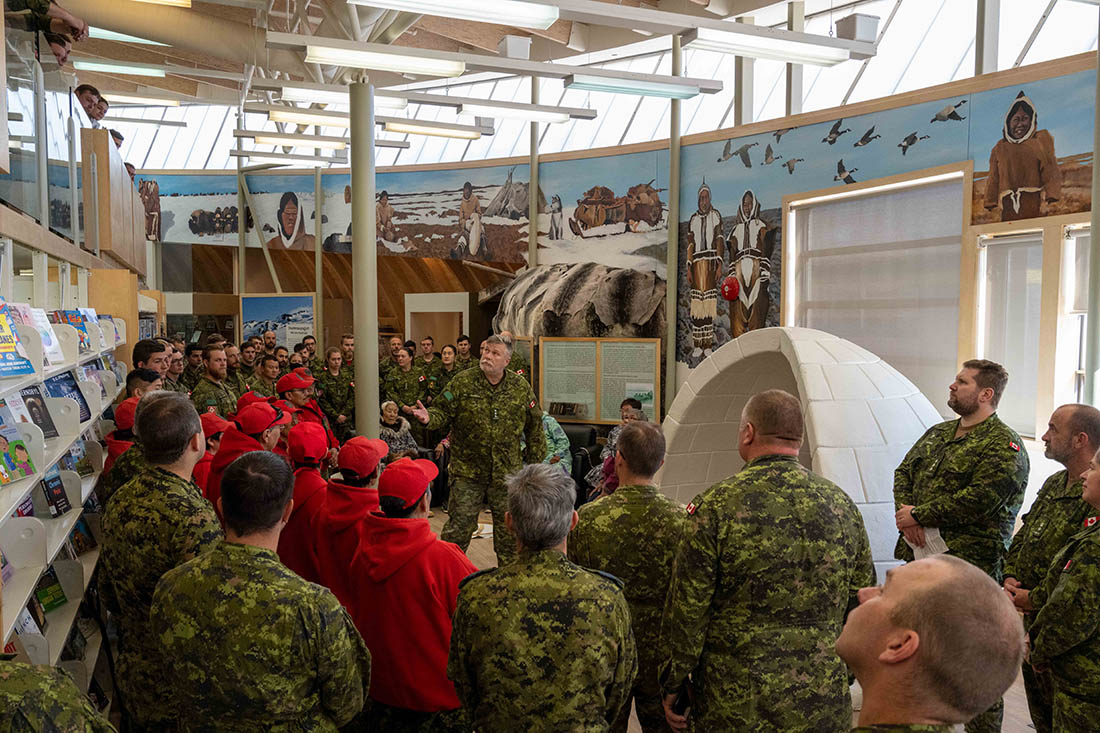
During Operation Nanook, the CAF work and train with a number of partners, including international military allies, other federal departments and agencies, territorial and Indigenous governments and local organizations and communities.
At the national level, participating Canadian elements have been the Royal Canadian Navy, Canadian Army (including the Primary Reserve and Canadian Rangers), Royal Canadian Air Force, Canadian Special Operations Forces Command, Canadian Coast Guard, Royal Canadian Mounted Police, Defence Research Development Canada and several other federal government departments.
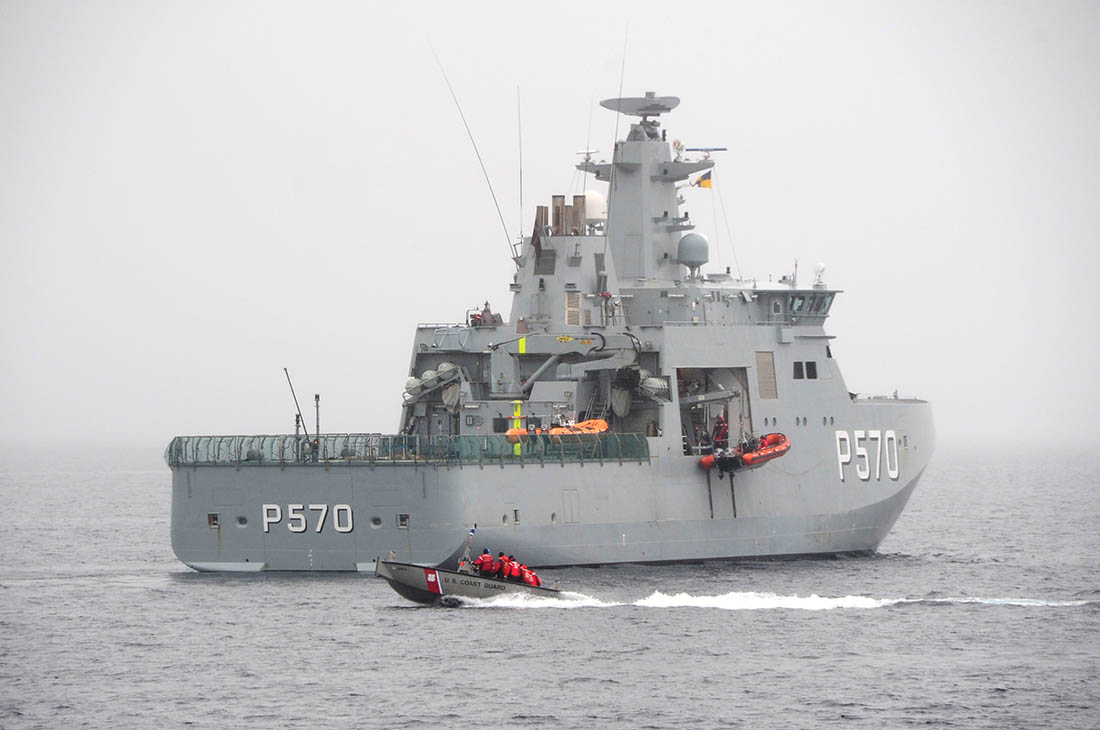
Allied participants have included the United States Navy, United States Coast Guard, United States Air Force National Guard, United States Army, Royal Danish Navy, French Navy and British Army as well as observers from the United States, Britain, France, Belgium, Germany, Norway, Sweden and Finland.
Locations
Locations for Operation Nanook have ranged throughout the North in Yukon, the Northwest Territories, Nunavut and Labrador and have even dipped south into British Columbia, Alberta and Manitoba. While Baffin Island was used for the first three operations, later ones included locations in the eastern, western and high Arctic, both on the mainland and islands.
Several northern towns and communities have been involved, such as Whitehorse and Haines Junction in Yukon; Yellowknife, Inuvik, Hay River, Fort Simpson, Fort Smith, Tuktoyaktuk, Behchokǫ̀ and Tsiigehtchic in the Northwest Territories; Iqaluit, Kimmirut, Arctic Bay, Cambridge Bay, Chesterfield Inlet, Fort Eureka, Grise Fjord, Pangnirtung, Pond Inlet, Qikiqtarjuaq, Rankin Inlet and Resolute Bay in Nunavut. Northern waters have included Baffin Bay, Davis Strait, York Sound, Lancaster Sound, Hudson Strait and Hudson Bay.
Ships and Aircraft
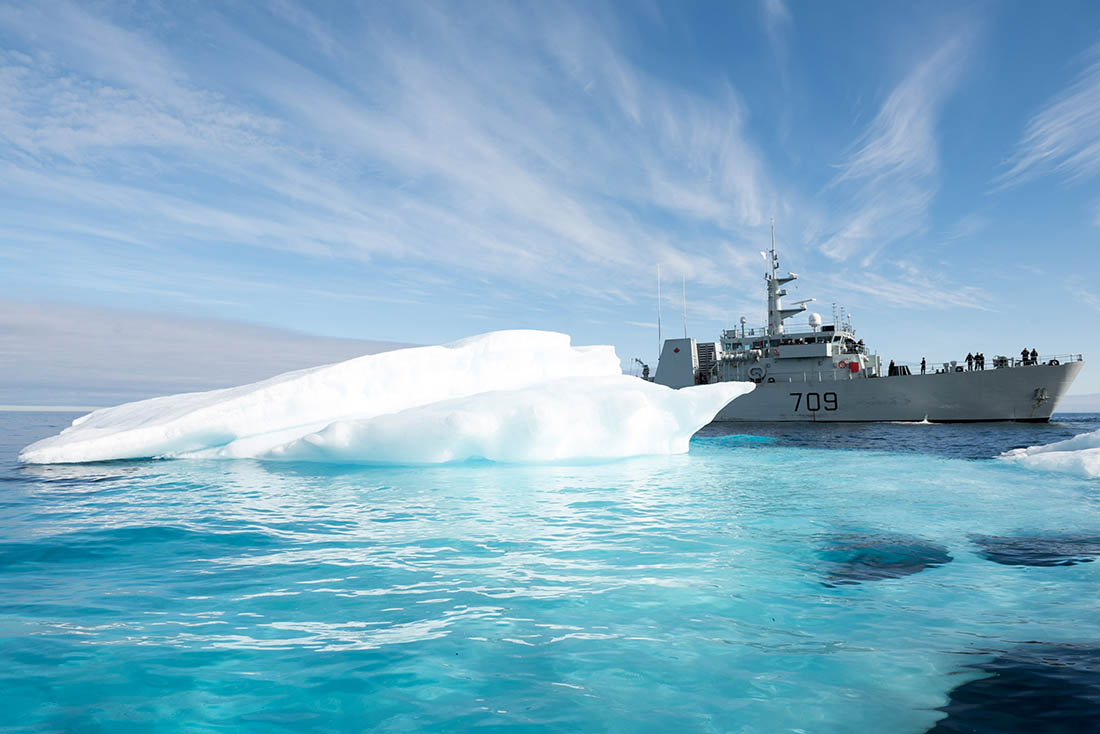
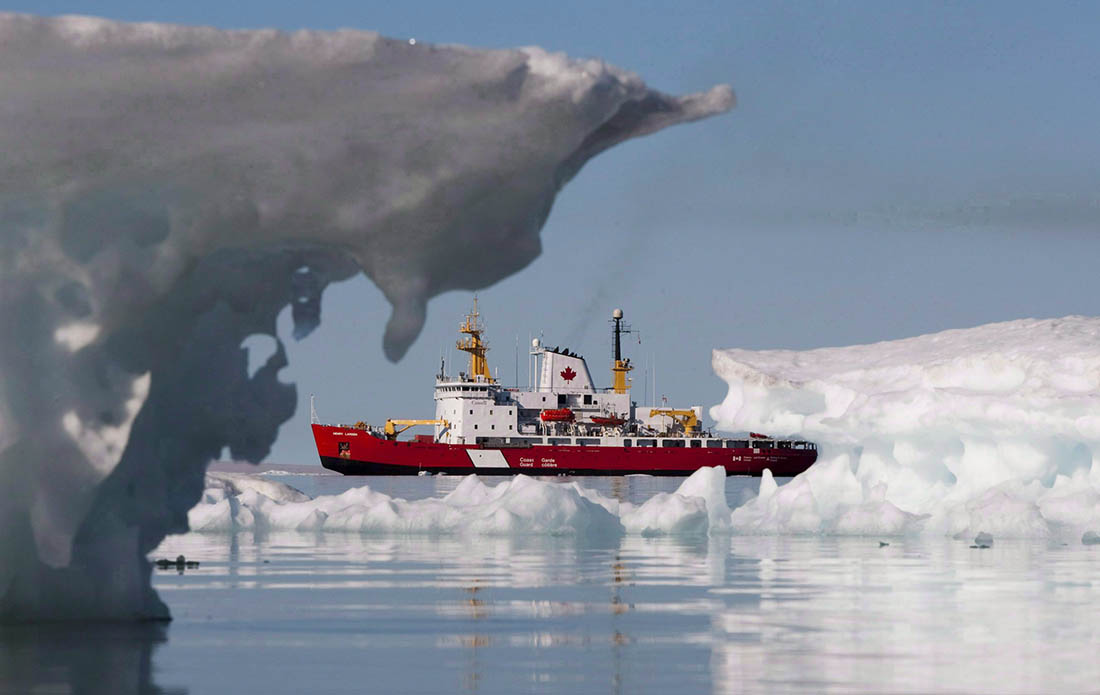
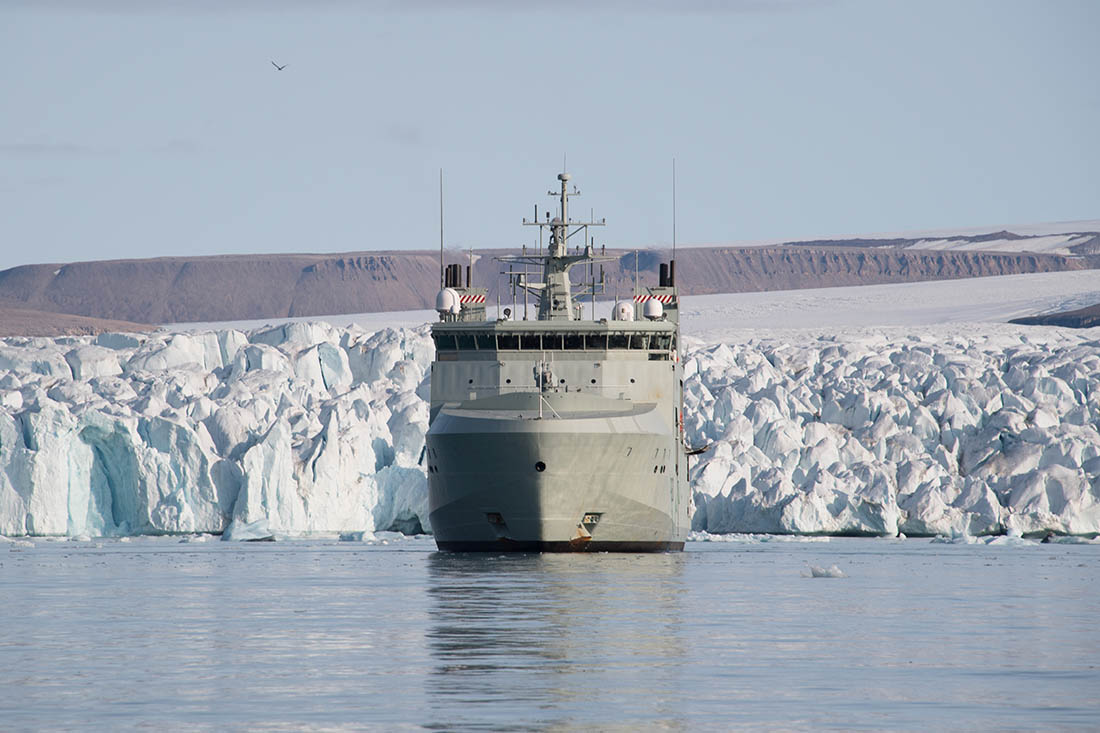
Royal Canadian Navy contributions have included Canadian Patrol Frigates, Maritime Coastal and Defence Vessels and the new Harry DeWolf class of Arctic and Offshore Patrol Vessels. Allied ships have been from the US Navy, US Coast Guard, Royal Navy, Royal Danish Navy and French Navy. Several countries have also provided under-ice divers. The operation has also involved the use of unmanned undersea vehicles.
Canadian air contributions have included Twin Otter and Hercules transport aircraft, Griffon, Cormorant and Chinook helicopters and Aurora long-range patrol aircraft, augmented by aircraft from other nations. Operation Nanook involved the first use of an unattended aerial vehicle in the Arctic.
Scenarios
The scenarios used for Operation Nanook have varied widely. Among them are environmental disasters (oil spills, petrochemical leaks, wildfires, earthquakes, emergency management), air and sea disasters (ship evacuations, aircraft crashes), illegal acts (drug trafficking, poaching, public safety threats), sovereignty undertakings (surveillance, long range patrols, anti-submarine patrols, security assessments, suspicious activities, airfield assessments) and training (Arctic survival, patrolling, search and rescue, ice diving, defence in the North).